The Evolution of Esports: From Arcade Games to Global Phenomenon
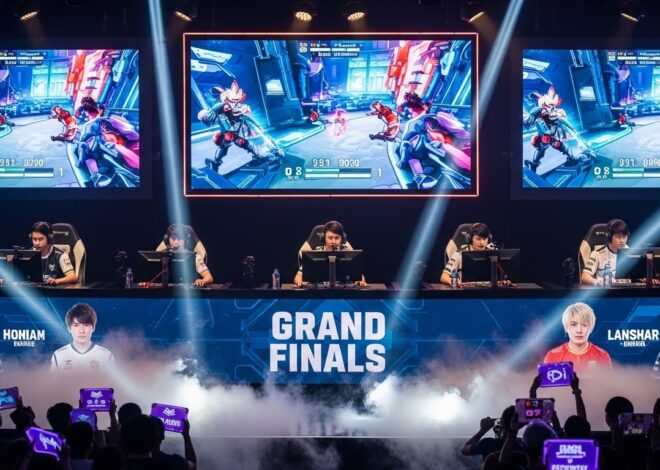
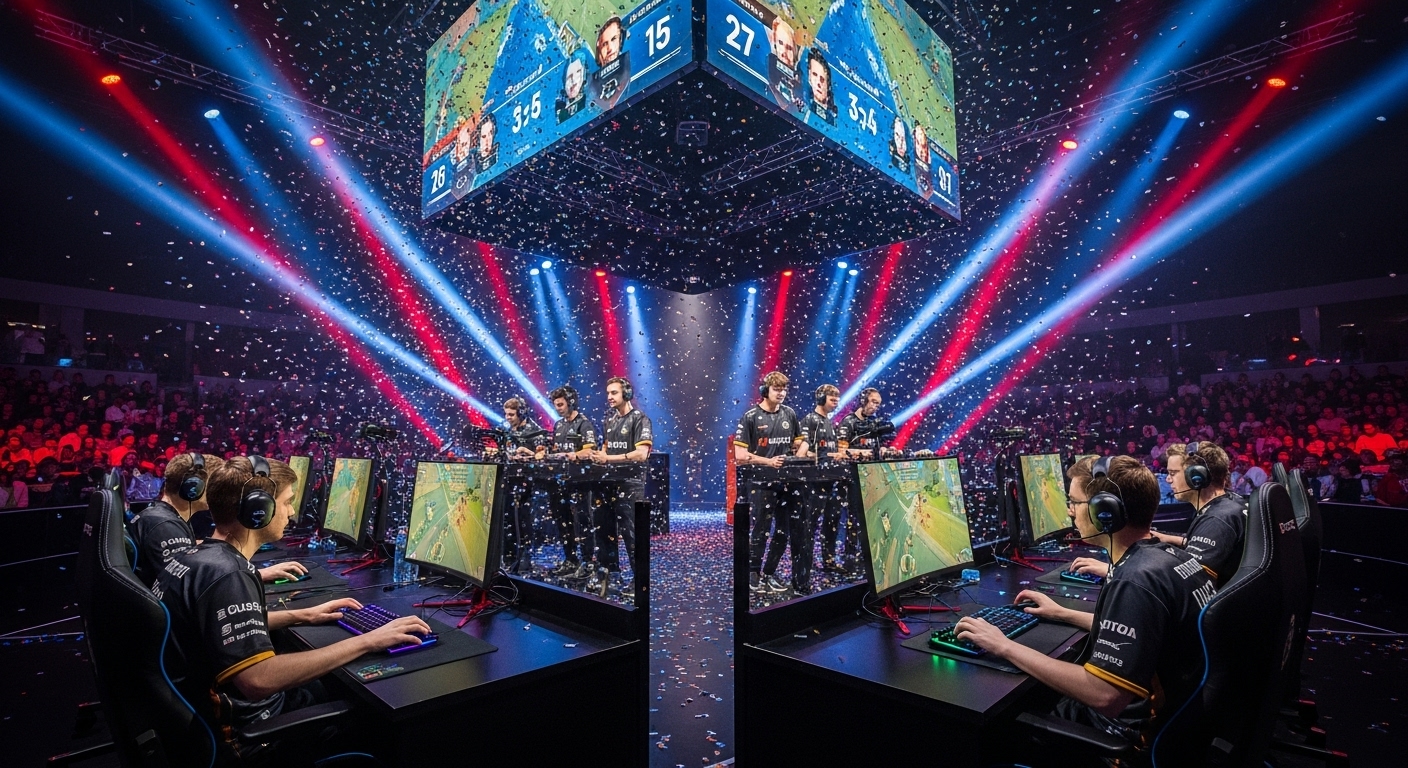
Esports, or electronic sports, has risen from humble beginnings to become one of the largest and most lucrative industries in the world today. With millions of viewers, players, and fans worldwide, esports is now considered a legitimate career for many, and it continues to grow in both popularity and professional recognition. This blog post will take a deep dive into the history, evolution, and future of esports, exploring how it became a global phenomenon and what makes it so exciting.
What is Esports?
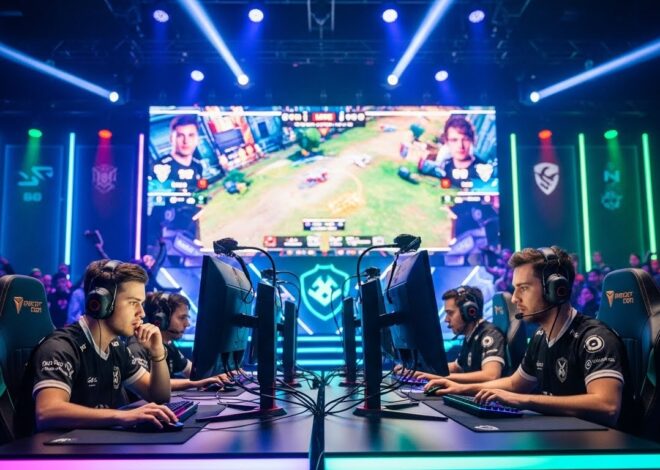
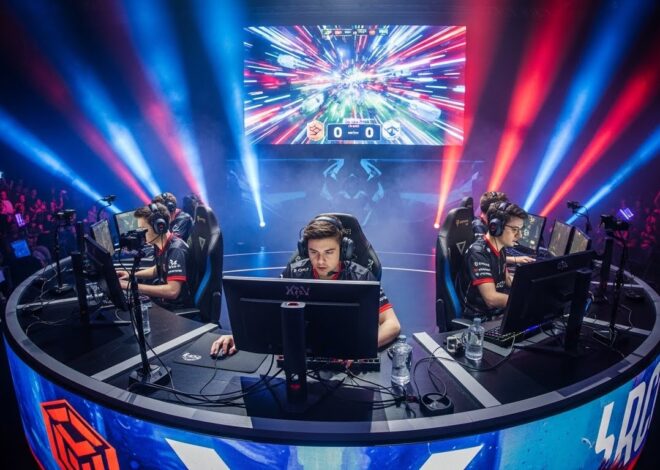
Esports refers to competitive video gaming where individuals or teams compete against each other in video games for entertainment, prestige, and prize money. Unlike casual gaming, esports is organized and competitive, often taking place in tournaments, leagues, and events, both online and in-person. Esports is not limited to just one game but encompasses a wide variety of titles across different genres, from strategy games and first-person shooters to sports simulations and fighting games.
The Origins of Esports
The roots of esports can be traced back to the 1970s and 1980s, long before it became the massive industry it is today. The early days of esports were characterized by small tournaments and competitions for arcade games. One of the first major esports tournaments took place in 1980, when the “Space Invaders Championship” was held in the United States. This was a breakthrough moment, as it showcased the potential of competitive gaming and attracted thousands of participants. The game “Space Invaders” itself was revolutionary for its time and introduced the idea of high scores and competition.
The rise of personal computers in the 1990s allowed for multiplayer gaming, paving the way for more organized and large-scale competitions. One of the first real breakthroughs came with the release of “Warcraft” in 1994 and “StarCraft” in 1998. These games laid the foundation for modern-day esports, offering multiplayer modes that allowed players from all over the world to compete against each other.
The Birth of Professional Esports Leagues
By the late 1990s and early 2000s, competitive gaming had begun to take a more professional form. The advent of the internet allowed players to connect and compete from different locations, and tournaments began to be streamed on television. In 1997, the first major esports tournament, the “Red Annihilation Tournament,” was held for the game “Quake.” This was one of the first large-scale professional tournaments, and it offered a significant prize pool for the winner.
In 2000, the establishment of the Cyberathlete Professional League (CPL) marked a milestone in the development of esports as a professional sport. The CPL was one of the first esports organizations to offer substantial prize money, and it attracted professional players from around the world. This was followed by the creation of other esports leagues and organizations, such as the World Cyber Games (WCG) and the Electronic Sports World Cup (ESWC), which began holding international tournaments with large audiences.
The Rise of Streaming and Digital Media
In the 2000s, the growth of digital media platforms played a crucial role in the expansion of esports. The rise of streaming services, such as YouTube and Twitch, allowed gamers to broadcast their gameplay to an international audience. Twitch, in particular, became a game-changer for esports. Launched in 2011, it quickly gained popularity among gamers, streamers, and fans. Through Twitch, players could live-stream their gameplay, interact with viewers, and even monetize their channels through ads, donations, and subscriptions.
As esports content became more accessible, a new generation of fans emerged. These fans weren’t just watching competitions—they were actively engaging with the community, creating content, and participating in discussions. This interaction between players, fans, and streamers was critical in driving the growth of esports.
The Explosion of Esports in the 2010s
The 2010s saw esports reach new heights in terms of viewership, sponsorship, and prize money. Popular games like “League of Legends,” “Dota 2,” “Counter-Strike: Global Offensive,” and “Overwatch” began to dominate the competitive gaming scene. These games weren’t just popular among casual gamers—they became the centerpiece of major esports leagues and tournaments.
“League of Legends” (LoL), developed by Riot Games, became one of the most significant drivers of the esports boom. Its competitive scene saw massive growth, culminating in the League of Legends World Championship, which attracted millions of viewers every year. Riot Games invested heavily in its esports infrastructure, organizing regional leagues, global tournaments, and fostering a thriving competitive scene. LoL’s success laid the foundation for other game developers to get involved in esports.
Similarly, “Dota 2,” developed by Valve, became known for its annual “The International” tournament, which boasted multi-million dollar prize pools. The first “International” in 2011 had a prize pool of $1 million, but by 2018, the prize pool had grown to over $25 million, making it one of the most lucrative esports tournaments in history.
Other titles, such as “Counter-Strike: Global Offensive” and “Overwatch,” also saw explosive growth in the 2010s. These games attracted both professional players and a dedicated fanbase. The rise of esports was also facilitated by partnerships with major brands, media companies, and traditional sports organizations, helping to legitimize esports as a form of entertainment.
Esports as a Professional Career
One of the most significant developments in the esports industry over the past decade is the rise of professional esports players. The idea of earning a living from playing video games was once considered a dream, but today, many players make substantial incomes through tournament winnings, sponsorships, streaming, and content creation. Some of the world’s top players have become celebrities in their own right, with sponsorships from major brands and recognition on the global stage.
For instance, players like Lee “Faker” Sang-hyeok, who is considered one of the greatest “League of Legends” players of all time, have earned millions of dollars from their esports careers. In addition to prize money, professional players often sign lucrative sponsorship deals with companies like Red Bull, Monster, and Logitech. Many also use their social media presence to grow their fanbase and generate additional income.
Professional esports organizations, such as Cloud9, TSM, and Team Liquid, have become household names in the industry. These organizations recruit players, coach them, and offer resources for training and competition. These organizations are also vital in the development of the esports ecosystem, as they work with brands, sponsors, and media companies to grow the sport further.
The Global Appeal of Esports
One of the defining characteristics of esports is its global reach. Unlike traditional sports, which may be confined to specific regions or countries, esports transcends borders. Games like “League of Legends,” “Fortnite,” and “PUBG” have global communities with players from every corner of the world. Esports tournaments are held in multiple countries, and some of the biggest events, such as the League of Legends World Championship or The International, draw viewers from every continent.
The global nature of esports is further enhanced by the fact that it is primarily driven by digital platforms. Fans and players can connect with each other across time zones and regions, making it possible for esports to thrive in regions where traditional sports may not be as popular. In addition, games like “League of Legends” have created regional leagues, such as the North American League of Legends Championship Series (NALCS) and the European League of Legends Championship Series (EULCS), to give fans a more localized competitive experience.
Esports has also helped to bring together cultures from around the world. Fans from different countries can communicate, support their favorite teams, and celebrate victories together. The rise of international esports events has fostered a sense of global community, bringing people from all walks of life together to share in the excitement of competitive gaming.
The Future of Esports
The future of esports looks incredibly bright. As technology continues to evolve, so too will the ways in which fans experience esports. Virtual reality (VR) and augmented reality (AR) are expected to play a larger role in esports, offering fans an even more immersive experience. The integration of these technologies could revolutionize how tournaments are broadcast and how players interact with their games and fans.
Esports will also likely continue to grow in terms of viewership and prize pools. The rise of mobile gaming has opened up new avenues for competitive play, especially in regions where mobile gaming is more popular than traditional PC or console gaming. Titles like “PUBG Mobile” and “Arena of Valor” have already established themselves in the competitive scene, and their growth shows no signs of slowing down.
Furthermore, the increasing acceptance of esports by traditional sports organizations, such as the NBA, NFL, and FIFA, will help elevate the industry even further. Esports will continue to be integrated into mainstream sports media, with more opportunities for broadcasting on TV networks and digital platforms.
Finally, as more investors, sponsors, and advertisers recognize the value of esports, the financial backing of the industry will continue to increase. This will help support the growth of professional leagues, tournaments, and teams, creating more opportunities for players and fans alike.
Conclusion
Esports has come a long way since its humble beginnings in the arcades of the 1980s. What started as a niche hobby has blossomed into a multi-billion dollar industry, with professional players, teams, and tournaments capturing the attention of millions worldwide. The rapid growth of esports can be attributed to the dedication of players, the innovation of game developers, and the support of fans and sponsors.
As technology advances and esports continues to evolve, it is clear that this global phenomenon is here to stay. Whether you’re a casual gamer or a professional player, esports offers something for everyone. The future of esports is bright, and there’s no telling just how far it can go. One thing is certain—esports will continue to shape the entertainment landscape for years to come.