The World of Esports: A New Era in Competitive Entertainment
Esports, once a niche hobby for gamers, has quickly evolved into one of the most popular and lucrative entertainment sectors in the world. Competitive gaming, where professional players and teams face off in video game tournaments, has gone from small-scale competitions in basements to multi-million-dollar events that fill stadiums and attract millions of viewers online. Esports is now a global phenomenon, transforming not only the way we view gaming but also how we understand competition, entertainment, and even community.
In this blog post, we’ll explore the rise of esports, its cultural significance, the evolution of its competitive landscape, and the future of this exciting industry.
The Birth of Esports: From Local Tournaments to Global Phenomenon
The concept of competitive gaming is not a new one. As early as the 1970s, players were engaging in video game competitions, albeit on a much smaller scale. One of the first recorded gaming competitions took place in 1972 at Stanford University, where students competed in a game called Spacewar. However, it wasn’t until the 1990s and early 2000s that esports began to take its modern form.
The emergence of high-speed internet and better gaming infrastructure in the late 1990s allowed for online multiplayer games to thrive. Titles like Quake and StarCraft became staples of competitive gaming, with tournaments starting to emerge both online and in physical venues. However, it wasn’t until South Korea’s adoption of StarCraft as a national sport that esports truly began to take off. The country’s investment in high-speed internet infrastructure and its vibrant gaming culture helped esports gain a level of mainstream popularity never seen before. By the early 2000s, professional leagues were being broadcast on television, and players became national celebrities.
Esports began to spread globally in the late 2000s, with North America and Europe building their own competitive ecosystems around games like League of Legends, Counter-Strike, and Dota 2. It was clear that esports was no longer a passing trend—it was becoming a legitimate form of competitive entertainment.
The Explosion of Online Streaming and Its Impact on Esports
One of the driving forces behind the growth of esports has been the rise of live streaming platforms like Twitch and YouTube Gaming. The ability to watch professional players compete in real-time, often in high-stakes tournaments, has brought esports to millions of viewers around the world. These platforms allow fans to interact with players, follow their favorite teams, and become more involved in the community than ever before.
Streaming has also opened up new avenues for content creation. Not only can players stream their competitive matches, but many also create content around their gaming experiences, from tutorials and walkthroughs to lifestyle streams. This shift from traditional forms of media, where audiences were passive consumers, to an interactive model where fans can engage with their idols in real-time, has made esports more accessible and immersive than ever before.
Twitch, which was launched in 2011, quickly became the dominant platform for gaming content. Esports tournaments, particularly major events like The International (the Dota 2 World Championship), began attracting millions of viewers, and Twitch became the go-to hub for fans looking to watch live gaming content. The ability to stream high-definition content to global audiences, combined with the social aspects of streaming, has been a major catalyst in esports’ growth and mainstream acceptance.
Esports as a Professional Career: The Rise of Pro Gamers and Teams
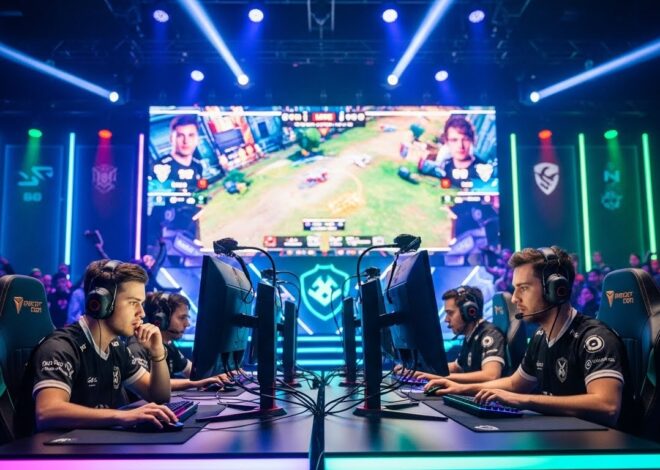
The rise of esports has transformed what was once a hobby into a legitimate career. Professional gamers now dedicate their lives to mastering a particular game and competing in tournaments around the world. These players train rigorously, often for hours every day, to maintain their skills and stay at the top of their game.
In parallel, esports organizations and teams have emerged, with professional rosters competing in various leagues and tournaments. These organizations function much like traditional sports teams, with managers, coaches, and support staff overseeing every aspect of their players’ careers. Teams like Cloud9, Team Liquid, and Fnatic are recognized names in the industry, and their players have become household names within the gaming community.
While most esports players start their careers young, the lifespan of a professional gamer is often shorter than that of traditional athletes. Competitive gaming is physically demanding, and as players age, the toll on their reflexes and mental acuity can affect their performance. As a result, many esports players transition into coaching, content creation, or team management once their playing careers end.
Esports also offers opportunities for fans to follow in the footsteps of their idols. The growing accessibility of gaming and streaming platforms has allowed anyone with the right skills to potentially become a professional player or content creator. The democratization of esports has led to an explosion of talent, with players from all over the world competing in tournaments and gaining recognition through streaming.
The Esports Ecosystem: Tournaments, Sponsors, and Media
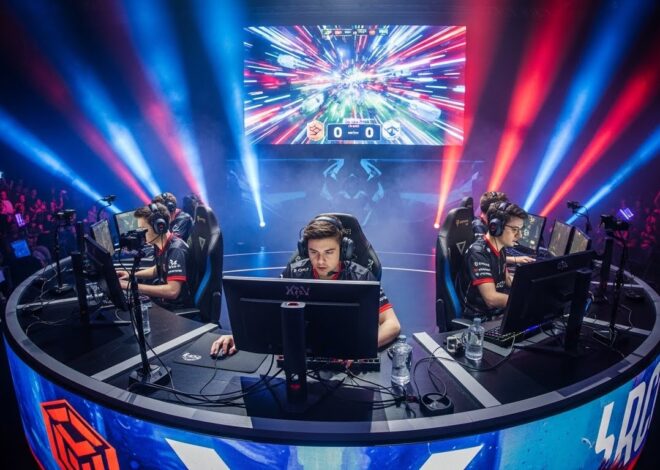
One of the key factors in the success of esports is the robust ecosystem built around it. Major esports tournaments are held regularly, with large prize pools and international competitors. These events are often broadcast live, attracting huge audiences both in-person and online.
Games like League of Legends, Dota 2, and Counter-Strike: Global Offensive feature highly structured competitive circuits, where players and teams compete for points throughout the year to qualify for major events. The League of Legends World Championship and The International for Dota 2 are two of the largest esports tournaments in the world, with prize pools often exceeding tens of millions of dollars.
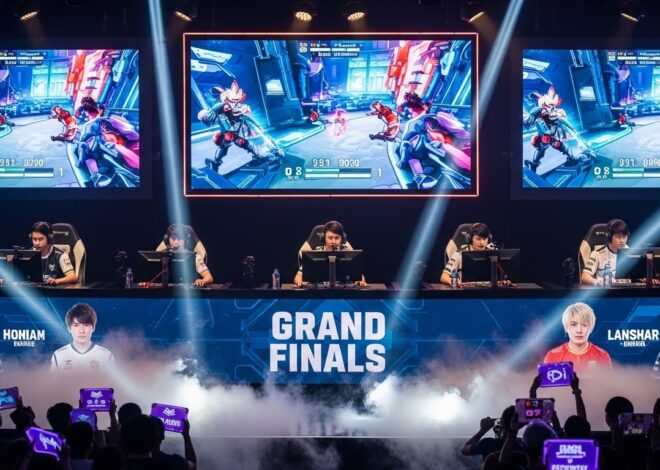
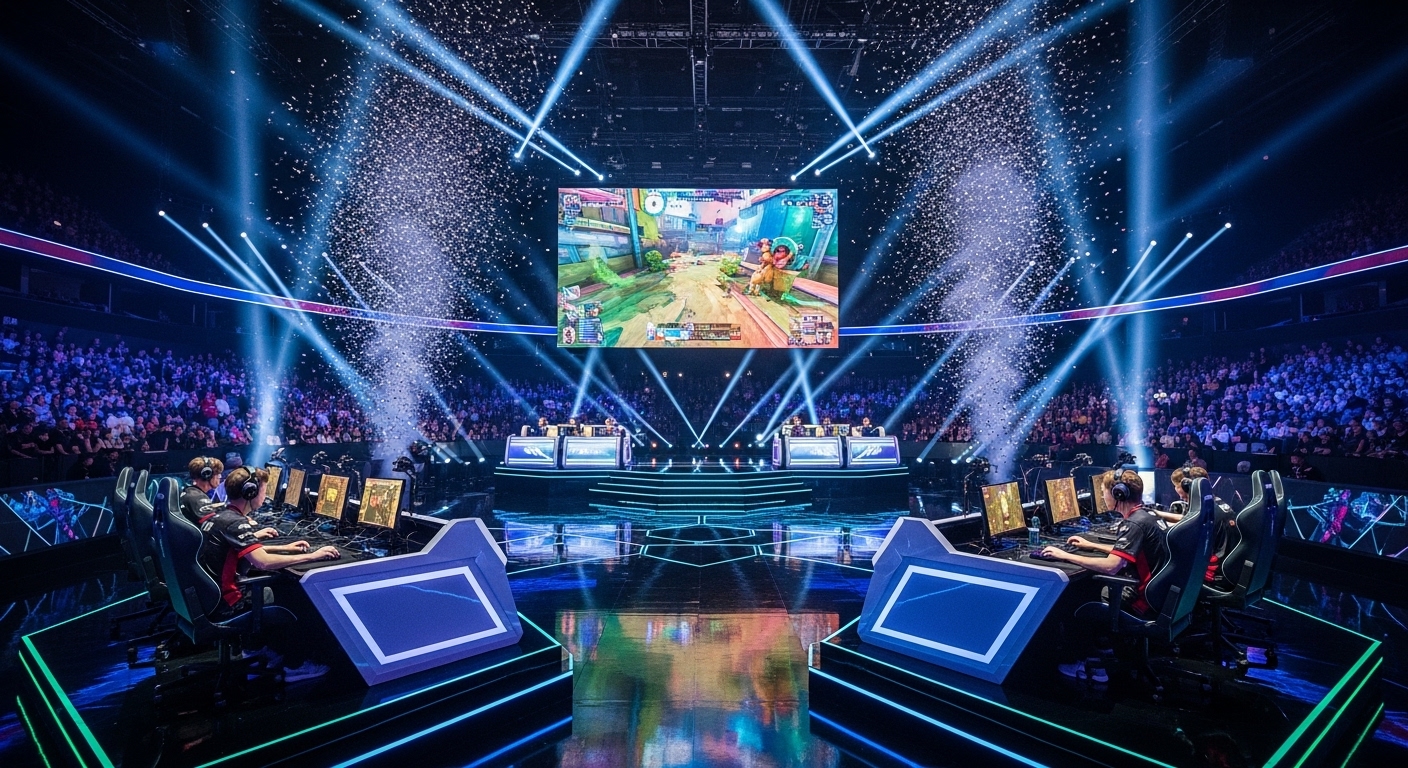
Esports tournaments are now held in massive arenas, with thousands of fans attending in person, creating an atmosphere that rivals any traditional sporting event. For example, the League of Legends World Championship has seen its finals held in stadiums like the Staples Center in Los Angeles and the Bird’s Nest in Beijing, filling these venues with passionate fans.
Sponsors play a critical role in the esports ecosystem, providing funding to teams, tournaments, and individual players. Major brands from various industries, including tech companies, energy drinks, and even luxury brands, are investing in esports. Partnerships with companies like Intel, Coca-Cola, and Mercedes-Benz have helped establish esports as a legitimate business opportunity. These sponsorships not only provide financial support but also help to bring esports into the mainstream media.
Esports and the Cultural Shift: More Than Just a Game
Esports has gone beyond just the world of gaming—it has become a cultural movement. The gaming community is vast and diverse, and esports offers a platform for gamers to come together and celebrate their shared passion. Events like PAX, E3, and BlizzCon attract tens of thousands of fans who celebrate the culture of gaming and esports, forming a sense of identity and community.
Esports has also found a home in universities and educational institutions. As the popularity of competitive gaming has grown, many colleges now offer scholarships for talented esports players, creating a new pathway for students to pursue their passions while earning a degree. Universities across the globe have begun to build esports arenas and hire coaches, recognizing that esports is not just a passing trend but a legitimate and growing field.
Esports has also made strides in terms of diversity. Historically, gaming was seen as a male-dominated hobby, but the esports scene has seen increasing participation from women and underrepresented groups. Initiatives to encourage diversity and inclusion in esports are gaining momentum, creating a more welcoming and open environment for all players.
The Future of Esports: Challenges and Opportunities
While esports continues to grow, it faces its share of challenges. One major issue is the sustainability of the industry. The rapid expansion of esports has led to an influx of investment, but as with any growing industry, there is the potential for oversaturation. Ensuring the long-term viability of the esports ecosystem will require a balance between maintaining the integrity of competition and managing financial interests.
Another challenge is the mental and physical toll that esports can have on its players. With intense training schedules and the pressure to perform at the highest level, many professional gamers experience burnout. Addressing the mental health and well-being of players is crucial to ensuring a sustainable esports culture.
However, the future of esports also holds incredible opportunities. The continued advancement of technology, including improvements in virtual reality and 5G connectivity, will only enhance the viewing and playing experience. As esports becomes more integrated into mainstream culture, its potential to reach new audiences grows exponentially. The rise of mobile esports, for instance, is creating new opportunities for players and fans, particularly in regions where traditional gaming infrastructure is less established.
Conclusion: A New Age of Competition and Entertainment
Esports is no longer just a pastime—it is a global cultural and entertainment juggernaut that has changed the way we think about competition. From its humble beginnings in arcade gaming to its current status as a billion-dollar industry, esports has carved out a space for itself in the hearts and minds of millions of people worldwide.
As esports continues to grow and evolve, it will undoubtedly face challenges, but the future is bright. With new technologies, growing investments, and an increasingly diverse fanbase, esports is on the verge of becoming one of the most dominant forms of entertainment in the world. For gamers, fans, and industry professionals alike, esports is more than just a game—it’s a lifestyle, a career, and a cultural force that has only just begun to show its full potential.