Esports: The Digital Revolution of Competitive Gaming
Introduction
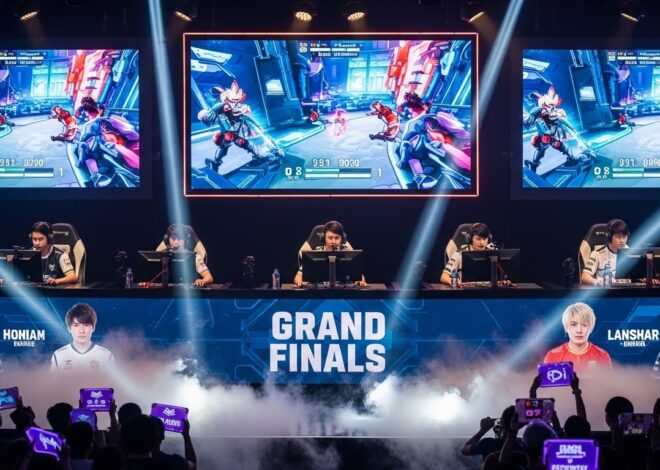
The world of competitive gaming, once confined to basement tournaments and local LAN parties, has exploded into a global phenomenon known as esports. Today, esports is a multi-billion-dollar industry with a massive fanbase that spans continents, offers professional careers for gamers, and draws millions of viewers to live events and online broadcasts. What was once a niche activity for gamers has now become an entertainment powerhouse that rivals traditional sports in terms of viewership, sponsorship, and global influence. This blog will explore the rise of esports, its impact on gaming culture, the business surrounding it, and the exciting future that lies ahead for this digital revolution.
The Origins of Esports: From Hobby to Professional Sport
Esports has its roots in the early days of video gaming. In the late 1970s and early 1980s, games like “Space Invaders” and “Pong” began to capture the imaginations of gamers. These games, although simple by today’s standards, set the stage for competitive gaming, with small local tournaments and high score challenges popping up in arcades and gaming centers. However, it wasn’t until the 1990s that esports began to take shape as a more organized and competitive activity.
In 1997, the first major esports event took place with the “Red Annihilation” tournament for the game “Quake.” This tournament not only featured top players from around the world but also offered a substantial prize pool—$10,000, which was a significant amount for that time. This event proved that competitive gaming had the potential to grow into something larger than just a hobby. Soon after, South Korea became a hotbed for esports, particularly with the rise of games like “StarCraft,” “Warcraft III,” and “Counter-Strike.” These games became the foundation for professional esports leagues, especially in Asia, where competitive gaming became a national pastime.
The early 2000s saw the creation of major tournaments and leagues, such as the World Cyber Games (WCG) and Electronic Sports World Cup (ESWC), both of which helped elevate the global esports scene. The rise of the internet and the introduction of online gaming further fueled this growth, allowing players to compete across the globe without needing to meet in person. Streaming platforms like Twitch, launched in 2011, changed the way esports content was consumed, allowing millions of viewers to watch their favorite games and tournaments live, thus creating a new culture of spectatorship and fandom around esports.
The Explosive Growth of Esports
Esports today has become a global entertainment industry in its own right. According to recent industry reports, the global esports market is projected to exceed $1.5 billion in revenue by 2023, with an audience of more than 450 million people worldwide. This rapid growth is driven by several factors, including the increasing popularity of online streaming, the rise of mobile gaming, and the growing appeal of esports among younger generations.
One of the key drivers of this growth is the massive, loyal fanbase that esports has cultivated over the past decade. Esports viewers come from all corners of the world, with major tournaments being broadcast in multiple languages to cater to a global audience. Esports events like the “League of Legends World Championship” and “The International” for “Dota 2” attract millions of viewers, both in person and via streaming platforms. In fact, some esports events have drawn viewership numbers that rival traditional sports events, such as the Super Bowl or the FIFA World Cup.
Esports’ accessibility also plays a huge role in its success. Unlike traditional sports that require expensive equipment or facilities, most esports titles only require a gaming computer or console and an internet connection. This has opened the door for gamers from various socioeconomic backgrounds to participate in competitive gaming, allowing for a diverse and global player pool. Additionally, the proliferation of mobile esports has made it possible for players and viewers to engage in competitive gaming anywhere, anytime, making esports even more accessible to the masses.
The Business of Esports: A Multi-Billion Dollar Industry
Esports is no longer just about players and fans—it’s big business. The revenue generated by esports comes from a variety of sources, including sponsorships, media rights, merchandise, ticket sales, and advertising. Major brands like Coca-Cola, Intel, Red Bull, and Nike have invested heavily in esports, seeing the industry as a way to engage with a young, tech-savvy audience. These brands have helped establish esports as a legitimate industry, sponsoring teams, tournaments, and individual players.
One of the largest revenue streams in esports is sponsorship. Esports teams, tournaments, and even individual streamers have attracted sponsorship deals from global corporations. For example, the “League of Legends” World Championship, one of the biggest events in esports, brings in millions in sponsorship revenue. The sponsorships not only provide financial support for the teams and events but also help to promote esports to a wider audience.
Media rights are another significant source of revenue for esports. Platforms like Twitch, YouTube Gaming, and Facebook Gaming allow fans to watch live esports events, often for free, with companies paying large sums for the broadcasting rights. The popularity of these platforms has made esports more mainstream, bringing in advertising revenue that contributes to the overall growth of the industry.
In addition to sponsorships and media rights, esports betting and fantasy leagues have also become popular, further enhancing the financial ecosystem around competitive gaming. Fans can now place bets on their favorite teams or players, similar to how people bet on traditional sports events. This has created a whole new market for esports-related gambling, which has been gaining momentum in recent years.
Esports Games: The Pillars of Competitive Gaming
The core of esports lies in the games themselves. There is a wide variety of games played at a competitive level, each with its own unique mechanics, strategies, and player communities. Some of the most popular genres in esports include Multiplayer Online Battle Arenas (MOBAs), First-Person Shooters (FPS), and Battle Royale games.
“League of Legends” is one of the most well-known and successful esports titles in history. Developed by Riot Games, it has become the cornerstone of competitive gaming, with its annual World Championship drawing millions of viewers. The game is known for its strategic depth, teamwork, and fast-paced action, and its esports scene has spawned professional leagues and teams across North America, Europe, Korea, and China.
“Dota 2,” another major title from Valve Corporation, has also become a cornerstone of esports. The “Dota 2” International tournament consistently offers one of the largest prize pools in the industry, often exceeding $30 million. “Dota 2” is known for its high skill ceiling, complex gameplay mechanics, and strategic depth, which has attracted millions of players and viewers worldwide.
First-Person Shooters (FPS) like “Counter-Strike: Global Offensive” and “Overwatch” are staples in the esports ecosystem. These games feature fast-paced, action-packed gameplay that demands quick reflexes, accuracy, and tactical planning. “Counter-Strike: Global Offensive,” for example, has remained one of the most popular competitive FPS games for over a decade, with top-tier teams regularly competing in global tournaments.
Finally, Battle Royale games such as “Fortnite” and “PUBG” have made a huge impact on esports. These games, which feature large-scale survival battles where players compete to be the last one standing, have captured the imagination of millions of gamers. The competitive scene around these games has grown rapidly, with high-stakes tournaments and large cash prizes attracting the best players from around the world.
The Esports Ecosystem: Teams, Tournaments, and Players
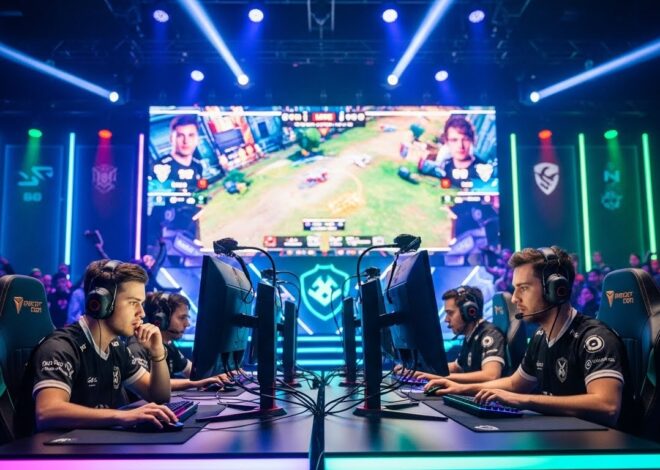
At the heart of esports lies a complex ecosystem made up of professional players, teams, tournaments, and fans. Esports teams, like those in traditional sports, are organizations made up of top-tier players who compete together in tournaments and leagues. Some of the most successful esports teams include Cloud9, Team Liquid, T1, and Fnatic. These teams are often sponsored by major brands and compete for huge prize pools at global events.
Players in esports are often treated like professional athletes, with teams investing heavily in their training, coaching, and performance. Many esports players start their careers at a young age, and some even begin competing as teenagers. Just like athletes in traditional sports, esports players must maintain peak mental and physical performance, with long hours of practice, strategy sessions, and tournaments.
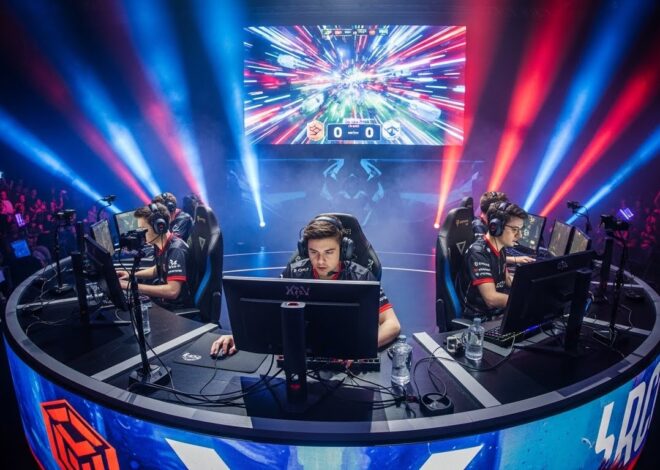
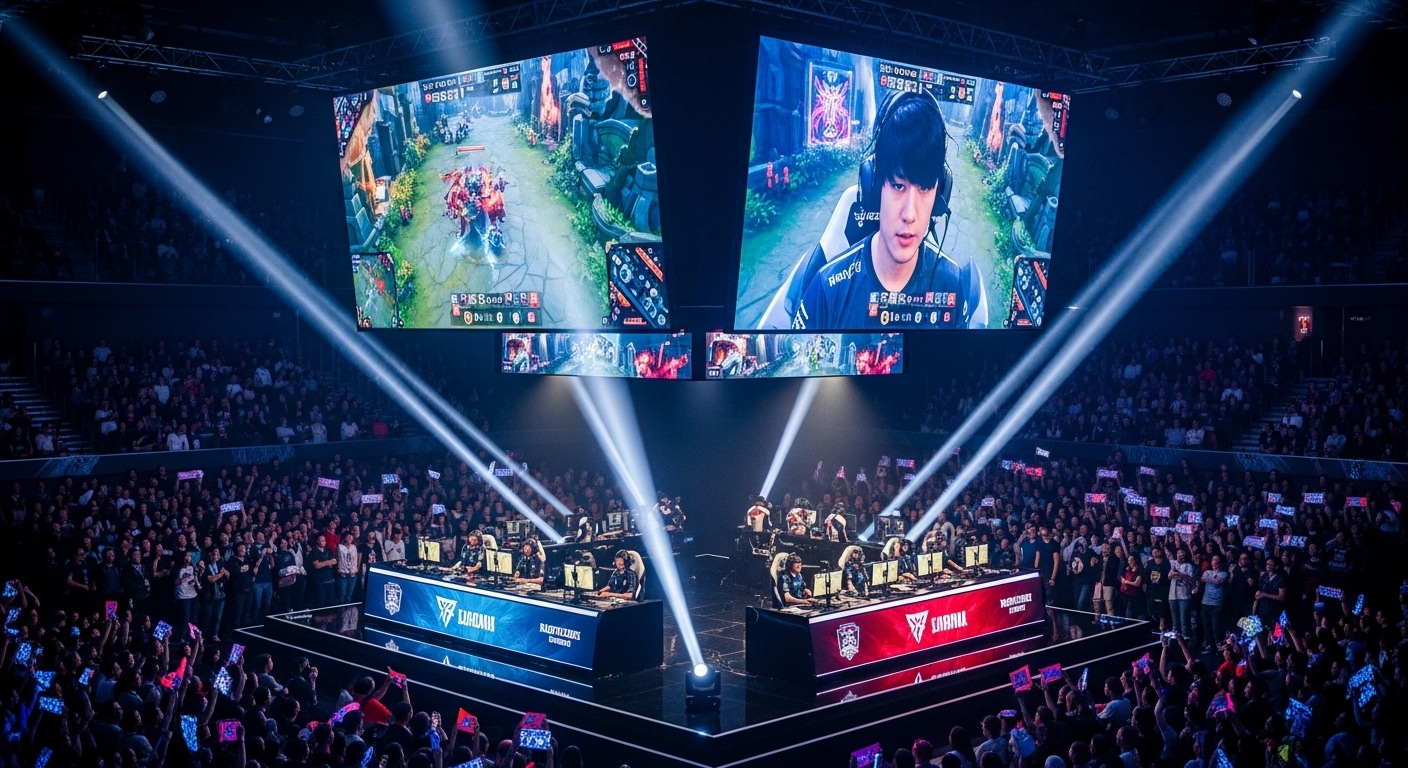
Esports tournaments are where the excitement happens. Events like “The International” for “Dota 2,” the “League of Legends” World Championship, and the “Overwatch League” attract massive crowds and millions of viewers online. These tournaments are often broadcast live, with expert commentators providing analysis and play-by-play commentary for fans. The prize pools for these events can reach millions of dollars, with top players and teams earning a significant portion of the winnings.
The Future of Esports: Growth and Challenges Ahead
The future of esports is bright, but there are challenges on the horizon. As esports continues to grow, it will need to address issues such as player burnout, mental health, and the integrity of competition. Esports organizations are already taking steps to improve the well-being of players, with some offering mental health support and training to help players cope with the pressures of professional gaming.
Moreover, as the industry becomes more commercialized, it will be crucial to maintain the grassroots elements that made esports so appealing in the first place. Ensuring that esports remains accessible to all players, from casual gamers to professionals, will be important to preserve the community-driven nature of the industry.
Finally, as esports continues to expand globally, we can expect to see even more innovation in how games are played, streamed, and consumed. The integration of virtual reality (VR) and augmented reality (AR) technology, as well as the growth of mobile esports, will likely continue to shape the future of the industry, offering new ways for players and fans to engage with competitive gaming