Esports Revolution: The Digital Arena Redefining Competition
Introduction: The Rise of Esports
Esports, or competitive video gaming, has grown from a niche hobby into a global phenomenon, captivating millions of players and viewers across the world. What was once a pastime confined to arcades and living rooms has transformed into a multi-billion-dollar industry with professional players, sponsorships, tournaments, and international recognition. Esports represents more than just entertainment; it is a cultural and professional movement that combines strategy, skill, technology, and community. This evolution reflects the growing influence of digital culture and the ways modern audiences consume interactive media.
The Origins of Competitive Gaming
The roots of esports date back to the 1970s and 1980s when arcade competitions and early console games introduced the concept of organized challenges. Players competed for high scores in games such as Space Invaders and Pac-Man, often gaining recognition among their peers. The 1990s saw the emergence of networked multiplayer games, allowing competitions between players in different locations. Titles like StarCraft, Quake, and Counter-Strike laid the foundation for modern esports, creating communities of dedicated players who honed their skills and formed early professional teams. These early stages of competitive gaming set the stage for the structured, high-stakes tournaments seen today.
Popular Esports Genres and Games
Esports encompasses a wide array of gaming genres, each with unique competitive mechanics and appeal. Multiplayer Online Battle Arena games, or MOBAs, like League of Legends and Dota 2, emphasize teamwork, strategy, and quick decision-making. First-Person Shooters such as Counter-Strike: Global Offensive, Call of Duty, and Valorant focus on reflexes, precision, and tactical thinking. Fighting games including Street Fighter and Tekken test timing and skill in head-to-head battles, while sports simulations such as FIFA and NBA 2K recreate real-world athletic competition. Each genre contributes to esports’ diversity, attracting different audiences and fostering global communities of players and fans.
The Professionalization of Esports
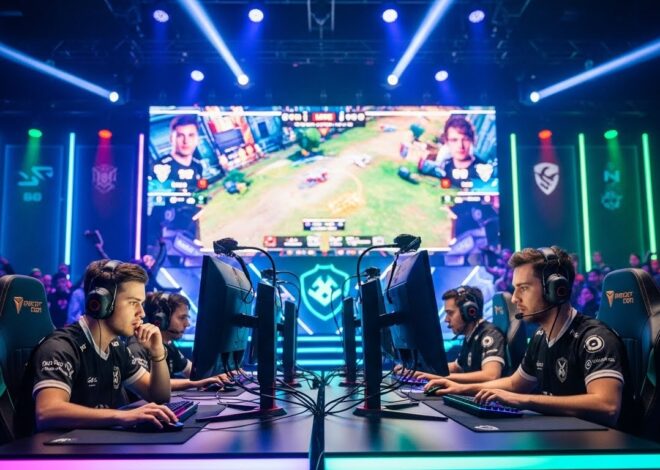
Esports has evolved into a legitimate professional career path, offering players opportunities for income through salaries, tournament winnings, sponsorships, and streaming. Professional teams operate similarly to traditional sports organizations, employing coaches, analysts, and support staff to maintain competitive performance. Players spend countless hours practicing, strategizing, and analyzing opponents to improve their gameplay. Beyond players, esports provides careers in commentary, content creation, event management, and marketing, creating a robust ecosystem that supports the industry. This professionalization highlights esports’ credibility as a serious and respected pursuit in the modern entertainment landscape.
Esports as a Spectator Sport
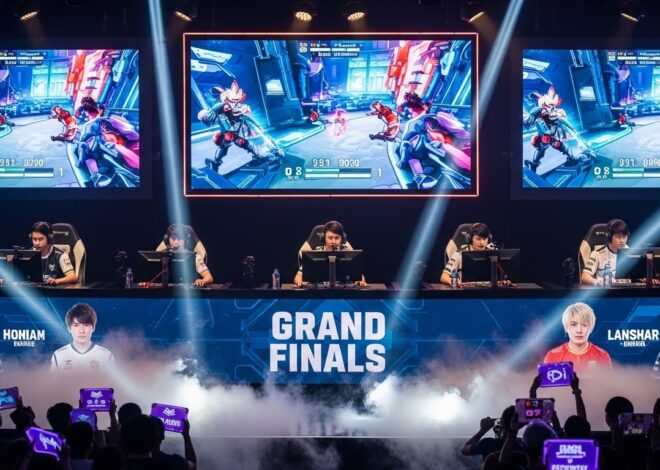
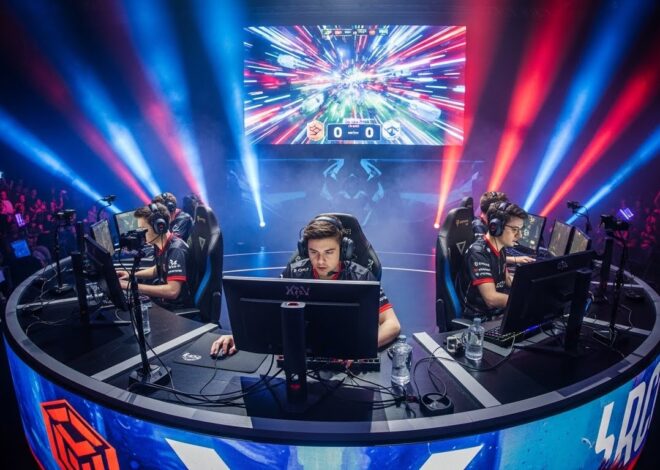
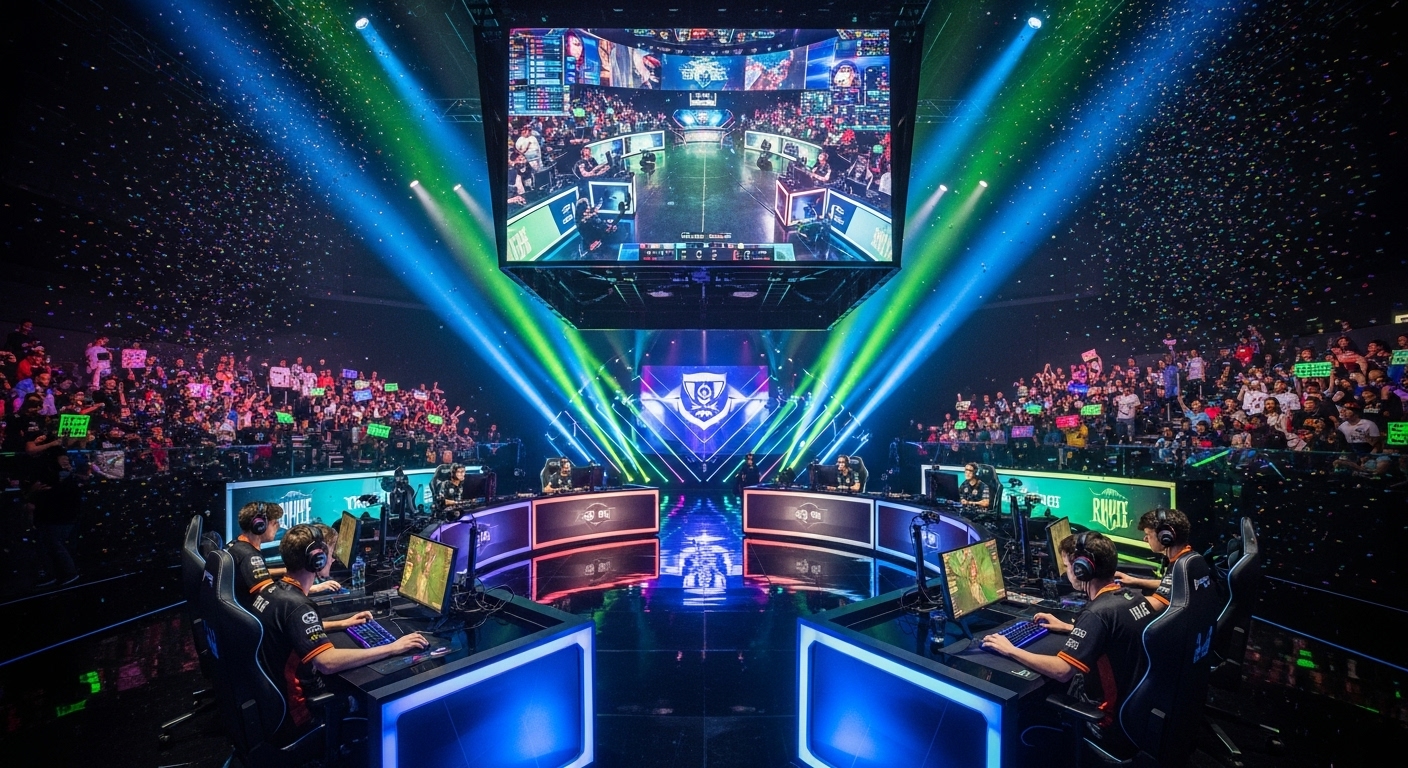
One of the defining characteristics of esports is its appeal to spectators. Millions of fans watch live competitions through streaming platforms, stadium broadcasts, or tournament coverage. Spectators enjoy features such as commentary, dynamic camera angles, in-game statistics, and interactive chat, which enhance engagement and create a shared experience. Major tournaments, such as world championships for League of Legends and Dota 2, attract viewership numbers comparable to traditional sporting finals. Spectatorship has become an integral part of esports culture, providing fans with entertainment, connection, and a sense of community.
The Role of Streaming Platforms
Streaming platforms have played a critical role in the rise of esports, bridging the gap between players and audiences. Platforms like Twitch, YouTube Gaming, and others allow players to broadcast matches, share tips, and engage with fans in real-time. Streamers often blend competitive gameplay with personality-driven content, offering entertainment beyond the game itself. The interactivity of these platforms encourages audience participation through chat, donations, and community-driven events. Streaming has transformed esports from a purely competitive activity into a global social experience, expanding its reach and impact.
Global Reach and Cultural Impact
Esports has grown into a truly global phenomenon. Countries such as South Korea, China, and the United States are at the forefront, producing world-class players, teams, and tournaments. International competitions bring together diverse communities, fostering cross-cultural connections and mutual appreciation. Esports has also made its way into educational institutions, with universities offering scholarships and competitive programs. The cultural impact extends beyond gaming, influencing fashion, music, and mainstream media, demonstrating that esports is a powerful force shaping contemporary digital culture.
Technology Driving Esports
Technology is central to the development and sustainability of esports. High-performance gaming hardware, stable internet connections, and advanced peripherals enable fair and competitive play. Emerging technologies such as virtual reality and augmented reality are expanding the possibilities of immersive esports experiences. Data analytics, artificial intelligence, and machine learning are increasingly applied to training, strategy, and performance optimization, similar to traditional sports. Technological innovation continues to enhance gameplay, viewing experiences, and fan interaction, ensuring that esports remains a dynamic and forward-looking industry.
Challenges in the Esports Industry
Despite its rapid growth, esports faces several challenges. Player burnout, mental health concerns, and the pressures of high-level competition are significant issues in professional gaming. Online harassment, cheating, and toxic behavior within communities also pose challenges. Additionally, the industry continues to work on inclusivity, striving to create welcoming spaces for players of all genders, ethnicities, and backgrounds. Ethical considerations regarding sponsorships, monetization, and fair play require careful attention. Addressing these challenges is crucial for ensuring esports remains a sustainable and respected form of competitive entertainment.
Esports and Education
The educational potential of esports is increasingly recognized. Schools and universities are incorporating esports programs that teach strategic thinking, teamwork, problem-solving, and time management. Collegiate leagues provide opportunities for students to compete at high levels while pursuing their studies. Beyond skill development, esports programs foster community engagement, leadership, and personal growth. By combining education and competitive gaming, esports demonstrates that digital entertainment can have meaningful developmental benefits for young people.
The Future of Esports
The future of esports promises growth, innovation, and mainstream integration. Advances in cloud gaming, virtual reality, and artificial intelligence will create new competitive formats and immersive experiences. Cross-platform play and global tournaments will continue to expand audiences and participation. Traditional sports organizations are increasingly investing in esports teams, recognizing the industry’s potential. Greater emphasis on inclusivity, ethical practices, and professional support systems will ensure sustainability. The future of esports is likely to blur the lines between digital competition, entertainment, and community engagement, cementing its role as a central feature of modern culture.
Conclusion: Esports as a Global Movement
Esports has evolved from simple arcade competitions to a global cultural and professional movement. It combines skill, strategy, technology, and community to create experiences that are both competitive and deeply engaging. Esports offers professional opportunities, fosters international connections, and inspires creativity and innovation. As it continues to grow, esports is not merely a form of entertainment—it is a transformative force that shapes how people play, compete, and connect in the digital era. It reflects the passion, dedication, and ingenuity of a generation that thrives in a world where virtual arenas are as significant as physical ones.