
The Rise of Esports: How Competitive Gaming Transformed into a Global Phenomenon
In the early days of video games, they were simply a source of entertainment for kids, a way to pass the time, or perhaps a means to escape into other worlds. Fast forward to today, and esports has evolved into a multi-billion dollar industry, with millions of fans and players around the world. What once seemed like a niche hobby has now transformed into a global phenomenon, attracting sponsorships, media attention, and even professional recognition. But what exactly is esports, how did it become so popular, and where is it headed? In this blog post, we will explore the rapid rise of esports, its impact on the gaming world, and the future of competitive gaming.
What is Esports?
At its core, esports (short for electronic sports) refers to organized, multiplayer video game competitions, particularly between professional players, individually or as teams. Esports can be compared to traditional sports, where players compete at the highest levels for fame, fortune, and accolades. These competitions often take place in front of large live audiences or are broadcasted to millions of viewers online through platforms like Twitch, YouTube, and Facebook Gaming.
While esports can encompass a variety of games, there are a few genres that dominate the competitive gaming scene. These include multiplayer online battle arena (MOBA) games like League of Legends and Dota 2, first-person shooters (FPS) like Counter-Strike: Global Offensive (CS:GO), Overwatch, and Call of Duty, real-time strategy games like StarCraft II, and sports simulations like FIFA or NBA 2K. Players train for months, even years, to hone their skills, and like traditional sports, the best of the best are rewarded with cash prizes, sponsorships, and worldwide fame.
The Origins of Esports
The journey of esports began in the late 1990s and early 2000s when online multiplayer games first gained traction. The first major esports tournament was the Red Annihilation tournament for Quake in 1997, which featured a $1,000 prize pool and was attended by some of the top players in the world at the time. This was an early sign that competitive gaming could offer more than just casual fun—it could offer serious competition and real-world rewards.
However, it wasn’t until the 2000s that esports truly began to take off. The rise of games like Warcraft III, StarCraft, and Counter-Strike played a crucial role in the development of organized esports events. These games had large competitive communities that organized local tournaments, and soon, larger-scale competitions began to emerge. The World Cyber Games (WCG), launched in 2000, and Electronic Sports World Cup (ESWC), founded in 2003, were among the first global esports events to showcase the best players from around the world.
Despite early obstacles such as limited internet access and relatively niche popularity, esports continued to grow, thanks to the increasing accessibility of high-speed internet and the rise of streaming platforms. By the late 2000s, esports had solidified its place in the global gaming culture, attracting attention from not only players and fans but also from major sponsors, media companies, and even traditional sports teams.
The Key Drivers of Esports Growth
Several factors have contributed to the meteoric rise of esports, turning it into a global entertainment powerhouse.
1. The Rise of Streaming Platforms
One of the most significant catalysts for esports growth has been the rise of streaming platforms, most notably Twitch. Launched in 2011, Twitch allowed gamers to broadcast their gameplay live to a global audience. What started as a platform for casual streamers quickly became the go-to destination for esports events, where fans could watch top-tier players compete in real-time.
Streaming services made esports more accessible to a broader audience, turning competitive gaming from an underground scene into a mainstream spectacle. Today, Twitch alone boasts millions of active users, with the top esports tournaments regularly attracting tens of millions of viewers. The accessibility of live streaming means fans from every corner of the globe can watch their favorite players compete, regardless of geographic location.
2. Increased Sponsorship and Investment
As esports gained popularity, it also began attracting sponsorships from major global brands. Companies such as Intel, Coca-Cola, Red Bull, and Nissan quickly realized the potential of esports as a marketing tool and began pouring millions into the industry. This influx of investment has not only fueled the growth of esports leagues and tournaments but has also elevated the overall prize pool, offering life-changing amounts of money to the top players.
Additionally, traditional sports organizations have shown an interest in esports, with franchises like the NBA, NFL, and even soccer clubs like Manchester City creating esports teams or partnering with existing organizations. This mainstream investment has lent legitimacy to the esports industry, making it a viable career option for talented players.
3. The Growth of Esports Leagues and Tournaments
The formalization of esports leagues has been another key factor in its growth. Instead of being limited to one-off tournaments, esports organizations and publishers began organizing long-running league systems. For example, League of Legends has the League of Legends Championship Series (LCS), Overwatch has the Overwatch League (OWL), and Call of Duty has the Call of Duty League (CDL). These leagues are structured much like traditional sports leagues, with teams competing in regular seasons, followed by playoffs and championship events.
These professional leagues have brought structure and stability to the industry, creating a consistent flow of events and ensuring that the best players are always competing for top honors. For fans, it offers the same excitement and investment that they would experience in other sports leagues.
4. The Rise of Esports as a Career Path
Esports has evolved from a hobby to a viable career path for many players. With the increasing popularity of esports tournaments, sponsorships, and media exposure, top players can now earn significant amounts of money from prize winnings, sponsorship deals, and streaming revenues. For instance, The International, the annual Dota 2 tournament, boasts some of the largest prize pools in esports history, with $40 million in 2021 alone.
Aside from players, there are also numerous career opportunities for coaches, analysts, broadcasters, content creators, and event organizers within the esports ecosystem. This has attracted a diverse range of talent to the field, contributing to its overall growth and professionalization.
Esports in the Mainstream
As esports has gained prominence, its appeal has expanded beyond just gamers. Esports now attracts millions of viewers, many of whom are not traditional gamers themselves but enjoy the spectacle of watching elite players showcase their skills. Major brands and celebrities have become involved, with pop culture references and partnerships flooding the mainstream.
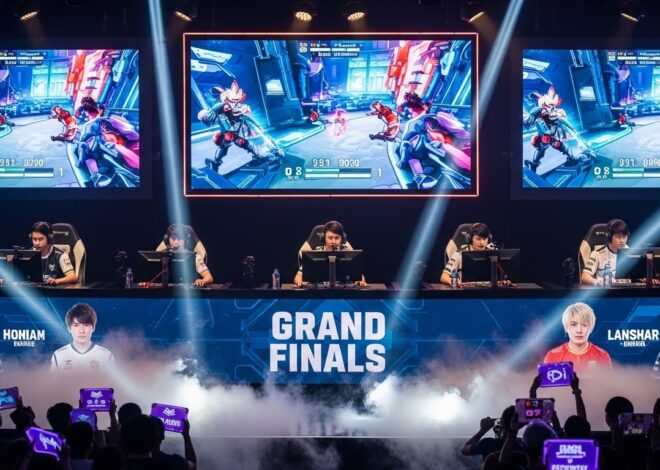
Esports events have become major entertainment spectacles in their own right. Some tournaments, such as the League of Legends World Championship or The International, sell out massive arenas and draw hundreds of thousands of live viewers. These events are often broadcast live on television, and the largest tournaments even feature elaborate opening ceremonies, music performances, and special guest appearances.
Moreover, esports has even made its way into the academic world, with several universities offering scholarships for esports athletes and creating dedicated esports programs. These programs provide students with the chance to hone their competitive skills while pursuing a degree, ensuring that esports can be a sustainable career for the next generation of gamers.
The Future of Esports
The future of esports looks incredibly promising, with several trends shaping the industry’s trajectory.
1. Expansion into New Markets
While esports is already massive in regions like North America, Europe, and Asia, there is still significant room for growth in emerging markets. Countries in South America, Africa, and the Middle East are beginning to embrace esports, with local leagues and tournaments springing up to cater to new audiences. The rise of mobile esports, particularly in countries like China and India, is also contributing to the global expansion of esports.
2. Continued Technological Advancements
Esports is inherently tied to technology, and as tech continues to advance, so will the esports industry. Virtual reality (VR) and augmented reality (AR) are likely to play an increasingly important role in future esports events, offering viewers an immersive experience. The development of 5G networks could also improve the overall experience, reducing latency and making online competitions even more seamless.
3. Esports in the Olympics?
There has been growing speculation about the potential inclusion of esports in the Olympic Games. While the International Olympic Committee (IOC) has expressed interest in esports, the debate over whether it qualifies as a “sport” has sparked controversy. Regardless, the conversation around esports and the Olympics demonstrates the level of recognition and legitimacy that esports has achieved in the global sporting world.
Conclusion
Esports has come a long way from its humble beginnings as a niche hobby to becoming one of the fastest-growing industries in the world. It has revolutionized the way people think about competitive gaming, providing not only entertainment but also career opportunities for players, coaches, and content creators. With continued investment, technological advancements, and the growing global audience, esports is likely to continue its rise to the top of the entertainment and sports world. For gamers and fans alike, the future of esports has never looked brighter.