The Explosive Rise of Esports: A Global Phenomenon
Esports, once a niche hobby for a dedicated community of gamers, has evolved into a global phenomenon that rivals traditional sports in viewership, popularity, and financial clout. What started as a hobby for passionate gamers is now a booming industry, where tournaments, sponsorships, and media rights attract millions of viewers from around the world. In this blog post, we’ll delve into the rise of esports, the factors driving its success, the industry’s impact, and where it might go in the future.
The Beginnings of Esports
The journey of esports began in the late 20th century, with early gaming competitions occurring as far back as the 1980s. However, it wasn’t until the 1990s that competitive gaming began to find its footing. Games like StarCraft, Quake, and Warcraft provided the foundation for what would eventually become a massive, global industry. Early competitions were small, community-driven events, often held in local arcades or LAN (Local Area Network) centers, where players could compete against one another in person.
It was during this period that game developers and players began to realize the potential of organized competitions. Tournaments like the Red Annihilation Tournament for Quake in 1997 and the launch of the World Cyber Games in 2000 helped to establish a more formal structure for esports. These events were important milestones that set the stage for the future of professional gaming.
The Rise of Online Gaming Platforms
One of the most pivotal moments in the development of esports was the widespread availability of high-speed internet in the early 2000s. As broadband internet became more common, the barriers to entry for online gaming and esports competitions were significantly reduced. Platforms like Battle.net for Blizzard’s games and Steam for a wide variety of titles provided gamers with easy access to online multiplayer experiences.
During this time, esports leagues and tournaments started to take a more formal shape. Major tournaments such as The International (for Dota 2), League of Legends World Championship, and Counter-Strike Major Championships became annual fixtures in the esports calendar. These tournaments not only attracted skilled players but also massive audiences from around the world, both online and in person.
The Explosion of Esports Popularity
As technology continued to advance and games became more competitive and accessible, esports exploded in popularity. The growth of streaming platforms, particularly Twitch, which launched in 2011, allowed gamers to broadcast their gameplay to a global audience. The rise of YouTube Gaming and other video-sharing platforms further fueled this trend, giving esports players the opportunity to build personal brands and connect with fans in ways that were previously impossible.
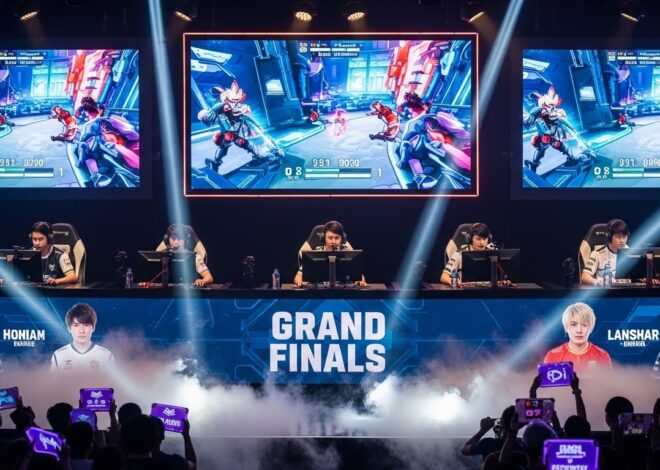
The ability for fans to watch high-level gameplay, interact with their favorite players, and discuss strategies in real-time helped to build a sense of community around esports. Events like the League of Legends World Championship began attracting millions of viewers, with the 2019 finals drawing over 100 million unique viewers. It became clear that esports was no longer a fringe interest but a mainstream entertainment medium, with viewership rivaling that of major traditional sports events.
The Economic Impact of Esports
As the popularity of esports grew, so did its financial potential. Esports is no longer just about playing games for fun; it’s a multi-billion-dollar industry that includes sponsorships, advertising, media rights, merchandise sales, and ticket sales to live events. In 2023, the global esports industry was valued at over $1.38 billion, with projections for continued growth in the years to come.
One of the key drivers of this financial boom has been the involvement of traditional sports teams and large corporations. Major sports organizations like Team Liquid, Fnatic, and 100 Thieves have entered the esports scene, bringing with them a wealth of experience in branding, marketing, and sponsorships. Additionally, tech giants such as Intel, NVIDIA, and Microsoft have become key sponsors of esports tournaments and events, further legitimizing the industry.
The rise of esports has also led to the development of new career paths. Professional gamers, coaches, analysts, broadcasters, and content creators are now able to make a living from esports. Popular players can earn millions of dollars in prize money, sponsorship deals, and streaming revenue. The emergence of dedicated esports academies and training facilities has also made it possible for young gamers to receive professional coaching and support, much like athletes in traditional sports.
Esports as a Form of Entertainment
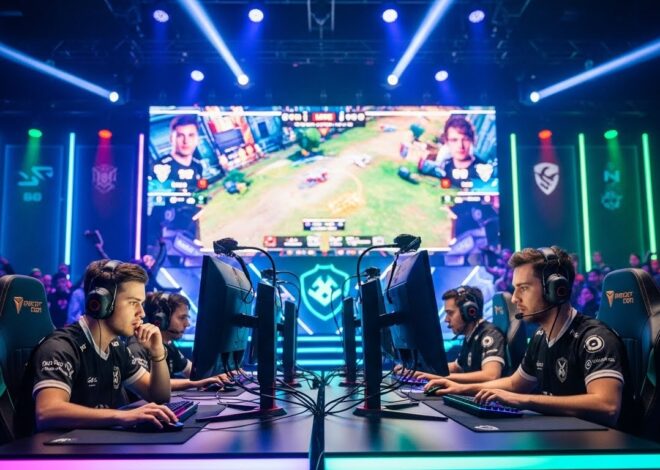
What makes esports so appealing is its accessibility and entertainment value. Unlike traditional sports, where the focus is often on physical prowess and athleticism, esports is a realm where mental acuity, quick reflexes, and strategic thinking are the primary drivers of success. Games like League of Legends, Counter-Strike, Fortnite, and Valorant are all team-based titles that require cooperation, communication, and high levels of skill. This makes esports both engaging to watch and challenging for players.
Another factor that has contributed to esports’ success is its inclusivity. Esports is a global community that transcends geographic boundaries, language barriers, and social demographics. Whether you are in North America, Asia, or Europe, there is an esports tournament or team to support. Games like Dota 2 and PUBG Mobile have reached a global audience, with regional tournaments taking place in nearly every corner of the world. Esports is truly a universal form of entertainment that appeals to people from all walks of life.
Esports and Traditional Sports: A Symbiotic Relationship
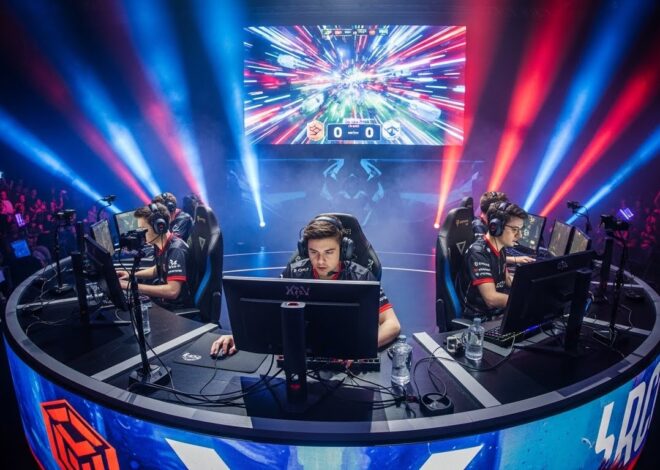
While esports continues to grow and attract new fans, it has also forged an interesting relationship with traditional sports. Some of the most popular esports events, such as Overwatch League and Call of Duty League, are modeled after traditional sports leagues, with regular seasons, playoffs, and championships. This structure has allowed esports to gain legitimacy in the eyes of the mainstream audience.
At the same time, traditional sports organizations are beginning to see the value in integrating esports into their offerings. For example, the NBA 2K League allows players to compete in a virtual version of basketball, while the FIFA eWorld Cup brings together players from around the world to compete in the virtual version of soccer. These collaborations help to attract traditional sports fans to the world of esports and vice versa, creating a mutually beneficial relationship between the two industries.
The Future of Esports
Looking ahead, the future of esports is incredibly promising. As the industry continues to grow, new opportunities will arise for players, fans, and investors alike. One of the most exciting developments is the increasing involvement of major entertainment companies. Streaming services like Netflix and Amazon Prime Video are exploring ways to bring esports content to their platforms, allowing fans to watch tournaments and docuseries about their favorite players and teams.
Additionally, the development of virtual reality (VR) and augmented reality (AR) could open up new possibilities for esports experiences. Imagine being able to watch a live esports event in VR or participate in a game using AR technology. These innovations could make esports even more immersive and engaging for both players and spectators.
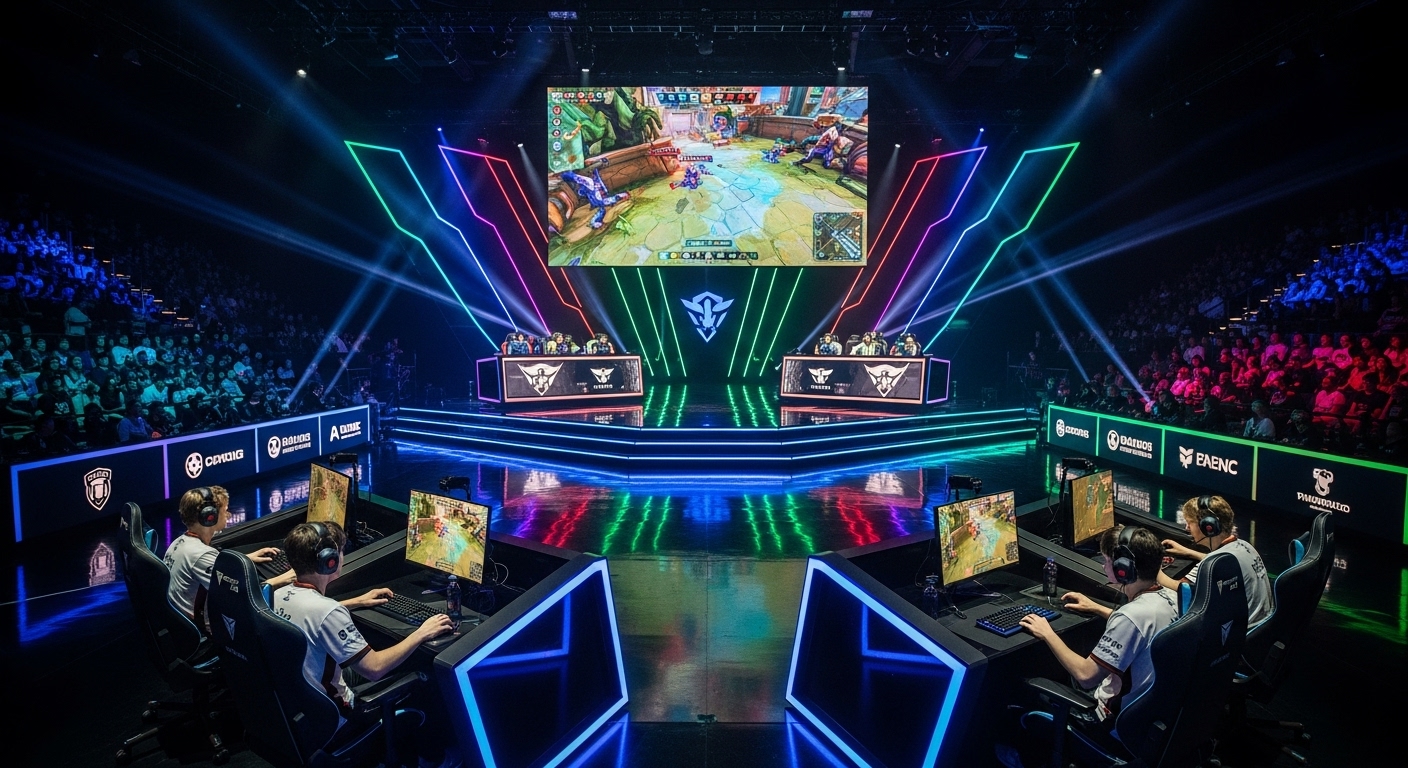
Esports also has the potential to become a part of the mainstream educational system. As esports continues to grow in popularity, more schools and universities are offering scholarships for competitive gaming. Some institutions are even creating dedicated esports programs and arenas, allowing students to pursue both their academic and gaming passions simultaneously.
Challenges and Controversies
Despite its rapid rise, esports is not without its challenges. The industry faces issues related to player health, mental well-being, and the pressures of competition. Professional gamers often face long hours of practice and competition, which can lead to physical injuries such as repetitive strain injuries or burnout. Mental health is another area of concern, as the high expectations and intense competition can take a toll on players’ emotional well-being.
Additionally, while esports has grown significantly, it still faces skepticism from certain segments of the population who view gaming as a hobby rather than a legitimate career or sport. Overcoming these stigmas will be important for the long-term success of esports.
Conclusion
Esports has firmly established itself as a global entertainment juggernaut. From its humble beginnings in local gaming competitions to its current status as a multi-billion-dollar industry, esports has proven that it is here to stay. With a diverse and engaged fanbase, financial backing from major corporations, and a bright future filled with technological innovations, esports is poised to continue its meteoric rise. Whether you’re a player, a fan, or a casual observer, the world of esports offers something exciting for everyone. As the industry continues to evolve, one thing is certain: esports is shaping the future of entertainment as we know it.