The Rise of Esports: A Deep Dive into the Global Gaming Phenomenon
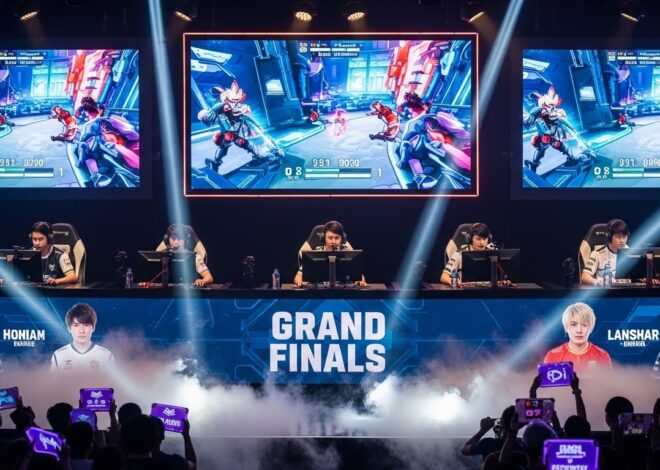
Esports, short for electronic sports, has transformed from a niche activity into a global cultural and economic powerhouse. What began as casual competitions among friends has evolved into a multibillion-dollar industry, captivating millions of players and fans worldwide. From massive tournaments held in packed stadiums to live-streamed events watched by millions online, esports has gained significant mainstream attention over the past decade.
This blog post will take you through the evolution of esports, its current state, and the future of this dynamic and rapidly growing sector.
1. What is Esports?
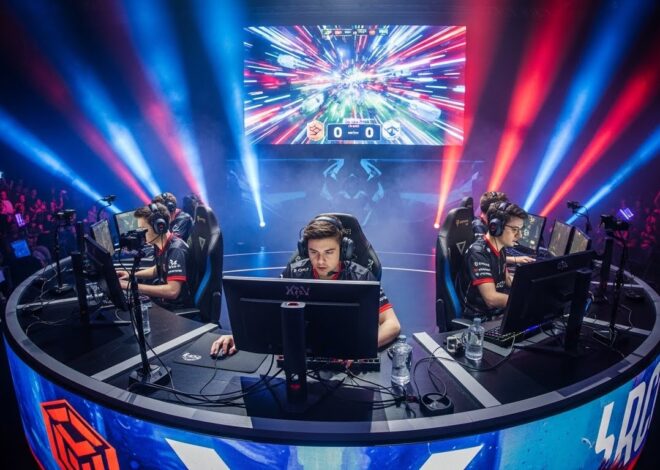
At its core, esports refers to competitive video gaming. Professional players compete in organized tournaments across a variety of games, such as “League of Legends,” “Dota 2,” “Counter-Strike: Global Offensive,” “Overwatch,” “Fortnite,” and many others. The competition takes place on digital platforms, with participants facing off against each other in virtual arenas. Esports is unique in that it blends both sports and entertainment, with an emphasis on skill, teamwork, and strategy.
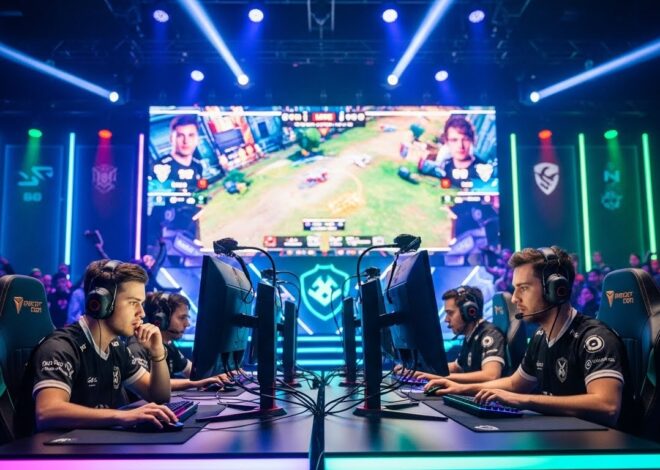
Unlike casual gaming, esports is highly competitive, and players train for hours every day to perfect their gameplay. They are often backed by professional organizations, which may offer sponsorships, salaries, and benefits to their players. These teams compete in leagues and tournaments, some of which offer enormous prize pools, sometimes exceeding millions of dollars.
2. The Growth of Esports: From Arcade Games to Global Phenomenon
Esports has its roots in the arcade and LAN (local area network) gaming days of the 1980s and 1990s. Back then, competitive gaming was mostly limited to in-person competitions, where players would battle it out on arcade machines or in LAN parties. As internet speeds and gaming technology improved, gaming moved to the online world, and competitive play became more widespread.
The early 2000s saw the formation of some of the first esports leagues and tournaments, including the World Cyber Games (WCG) and the Electronic Sports World Cup (ESWC). These events attracted a small but dedicated following. However, it wasn’t until the late 2000s and early 2010s that esports truly began to blossom into the phenomenon it is today.
One of the key drivers of this growth was the rise of streaming platforms like Twitch, which allowed gamers to broadcast their gameplay to a global audience. Twitch, in particular, became the epicenter of the esports world. By providing a platform for both casual gamers and professional players, it helped to bring esports into mainstream consciousness.
3. The Economics of Esports: A Billion-Dollar Industry
Today, esports is a multi-billion-dollar industry with revenues stemming from multiple sources, including sponsorships, advertising, merchandise sales, media rights, and ticket sales for live events. The market is expected to continue growing rapidly, with some estimates suggesting that the global esports market will be worth over $3 billion by 2025.
One of the major contributors to esports’ economic success is the sponsorship deals that professional players, teams, and events attract. Major brands like Intel, Coca-Cola, Red Bull, and Mercedes-Benz have invested heavily in the esports industry. These sponsorships not only provide financial support for tournaments and teams but also help boost esports’ legitimacy in the eyes of the public.
Media rights and broadcasting also play a significant role in esports’ financial ecosystem. Companies such as YouTube, Facebook, and Twitch have signed exclusive broadcasting deals for major esports tournaments, generating revenue through advertisements and subscriptions. The increasing number of viewers of esports events has made it one of the most lucrative sectors in the entertainment industry.
4. Esports and the Professional Player: The Life of an Esports Athlete
Esports athletes are no different from traditional athletes in terms of their commitment to their craft. Professional players spend hours each day honing their skills, studying game strategies, and practicing with their teams. The grind can be intense, as the competition in esports is fierce, and the top players often compete at the highest levels of precision and coordination.
The life of an esports athlete often involves traveling for tournaments, participating in team scrims (practice matches), and maintaining a personal streaming presence. It’s not uncommon for players to have strict daily schedules that revolve around training, gameplay, and personal branding.
The competitive nature of esports also means that players face a lot of pressure. Mental resilience and emotional stability are just as important as reflexes and game knowledge. In fact, esports organizations are increasingly employing psychologists and mental coaches to help players manage stress and maintain a healthy work-life balance.
5. The Role of Streaming Platforms in Esports
As mentioned earlier, streaming platforms like Twitch, YouTube Gaming, and Facebook Gaming have played a pivotal role in the rise of esports. These platforms not only allow players to broadcast their gameplay to global audiences but also enable fans to engage with their favorite players and teams in real-time.
Twitch, in particular, has become the cornerstone of the esports ecosystem. It allows viewers to watch live esports tournaments, interact with streamers through live chats, and even donate to their favorite content creators. The platform has become an essential tool for players looking to build a fanbase, generate income through subscriptions and donations, and ultimately make a living through gaming.
The accessibility of these platforms means that esports is no longer limited to the few who can afford to attend live events. Anyone with an internet connection can tune in and become part of the global esports community. This democratization of access has led to a surge in viewership, making esports one of the fastest-growing entertainment industries in the world.
6. Esports as a Career Path: From Amateur to Pro
For many aspiring players, the dream is to make it to the professional stage. While the road to becoming an esports professional is challenging and competitive, it is increasingly becoming a viable career path for talented gamers.
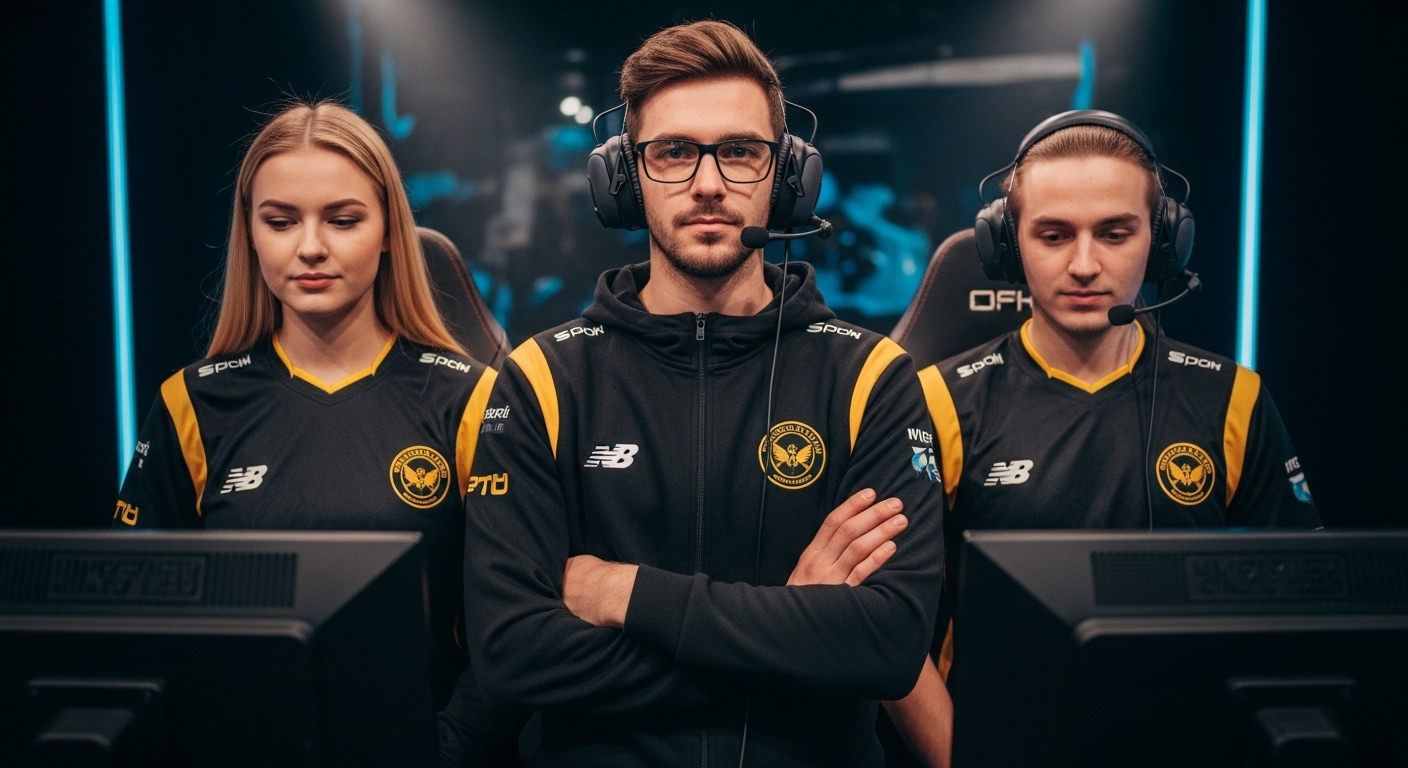
The first step for most aspiring esports players is to gain recognition through their gameplay in online tournaments or streaming platforms. Once they establish themselves as skilled players, they may be recruited by esports organizations or teams. These teams typically have coaches, analysts, and managers who help players develop their skills and prepare for tournaments.
Professional esports players often sign contracts with organizations, which provide them with salaries, training facilities, and sponsorship opportunities. However, it’s important to note that becoming a professional player is not a guaranteed ticket to wealth or fame. Just like in traditional sports, the top players are the ones who receive the most recognition and financial rewards, while others may struggle to make a significant income.
Aside from competing, many esports players also pursue careers as content creators. They might create YouTube channels, stream on Twitch, or become influencers on social media platforms. This provides them with an additional revenue stream and allows them to expand their reach beyond competitive gaming.
7. The Impact of Esports on Traditional Sports
The growth of esports has not only impacted the gaming industry but has also had significant implications for traditional sports. Many sports organizations and franchises have recognized the potential of esports and have started investing in gaming. For example, some professional sports teams now have their own esports teams, and sports leagues like the NBA have even launched their own esports tournaments, such as the NBA 2K League.
Furthermore, esports has helped to blur the lines between gaming and traditional sports. Many esports tournaments are broadcast on major television networks, and some are even included as a part of traditional sports coverage. This has opened up new opportunities for both industries to collaborate and build larger audiences.
The rise of esports has also led to discussions about including video gaming in the Olympics. While it’s still a topic of debate, esports has undoubtedly gained enough mainstream attention to warrant consideration as a potential Olympic sport in the future.
8. The Future of Esports: Expanding Boundaries
Looking ahead, the future of esports seems bright. Technological advancements, such as 5G networks, virtual reality, and augmented reality, could take the esports experience to new heights. Virtual and augmented reality could potentially create even more immersive gaming experiences, making it possible for players and viewers to experience esports in completely new ways.
The rise of mobile gaming is another exciting development. As mobile devices continue to improve in terms of performance, mobile esports is expected to grow rapidly, with tournaments and leagues dedicated to mobile games becoming more prevalent. In regions like Asia, mobile esports is already hugely popular, and its influence is expected to spread to other parts of the world.
Moreover, esports is likely to continue integrating with other forms of entertainment, from music festivals to lifestyle brands. As esports becomes more mainstream, the boundaries between gaming, music, and pop culture are expected to become even more fluid.
Conclusion
Esports is no longer a fringe hobby—it’s a global cultural and economic force. With millions of fans, dedicated professional players, and a rapidly growing industry, esports has proven that it is here to stay. As technology continues to evolve, the possibilities for esports are limitless, and we can expect even greater growth in the coming years.
Whether you’re an aspiring player, a passionate fan, or just someone curious about the world of competitive gaming, it’s clear that esports is a phenomenon that will only continue to evolve, inspire, and captivate audiences around the world.