The Evolution of Esports: A Digital Revolution in Competitive Gaming
Esports, once a niche hobby for a select group of passionate gamers, has transformed into one of the fastest-growing industries in the world. With millions of viewers, substantial prize pools, and a vast network of professional players, teams, and organizations, esports is no longer just a pastime—it’s a global phenomenon. In this blog post, we’ll explore the evolution of esports, from its humble beginnings to its present-day status as a cultural powerhouse. We’ll also examine the impact of esports on traditional sports, the challenges it faces, and the exciting future that lies ahead.
The Birth of Esports: From Arcade Competitions to Online Tournaments
The roots of esports can be traced back to the early days of gaming when people first started competing against each other for fun and recognition. However, it wasn’t until the 1990s that competitive gaming began to take shape in a more formalized manner. In those early days, gaming competitions were mostly held in local arcades or small LAN (Local Area Network) gatherings, where players could physically connect their computers to compete in games like Doom, Quake, and Warcraft.
In 1997, one of the first significant esports tournaments, the Red Annihilation tournament for the game Quake, took place. The winner of the tournament was awarded a Ferrari 328 GTS, an extravagant prize for the time, which helped propel competitive gaming into the public spotlight. Shortly after, organizations like Cyberathlete Professional League (CPL) were founded, which helped formalize esports as a competitive industry with established rules and structured tournaments.
The Rise of Online Play and Global Competitions
The internet played a crucial role in transforming esports into a global industry. In the early 2000s, as broadband internet became more widespread, players could now compete from the comfort of their homes, rather than having to travel to physical locations for LAN tournaments. This innovation led to the rapid expansion of esports, with games like StarCraft, Warcraft III, and Counter-Strike gaining popularity.
The turn of the millennium also saw the emergence of major esports leagues, such as World Cyber Games (WCG) and Electronic Sports League (ESL). These leagues brought together top-tier players from around the world, creating a more competitive and professional environment for gaming enthusiasts. The World Cyber Games particularly helped to popularize esports on an international stage by attracting players from countries like South Korea, China, and the United States, which laid the groundwork for esports to become a global phenomenon.
Esports in the 2010s: Mainstream Recognition and Growth
The 2010s marked a period of explosive growth for esports, with both the popularity of the games themselves and the professionalization of the industry accelerating at a rapid pace. Games like League of Legends, Dota 2, and Counter-Strike: Global Offensive dominated the esports scene, with millions of players and fans worldwide.
A key factor in this growth was the rise of streaming platforms like Twitch and YouTube Gaming, which allowed players to stream their gameplay and interact with a global audience. Twitch, in particular, became a central hub for esports content, with major tournaments being broadcasted live, attracting millions of viewers and providing a platform for gamers to build personal brands and fanbases. This led to the growth of esports influencers and content creators, who began to monetize their streams through sponsorships, ads, and donations.
In 2013, the launch of League of Legends’ World Championship took esports to a new level of recognition, with millions of people tuning in to watch top-tier teams battle for glory. The event offered a prize pool of over $2 million, setting the stage for the massive prize pools seen in esports tournaments today.
Around the same time, esports teams and organizations began to emerge, attracting significant investments from traditional sports figures and business tycoons. Teams like Team Liquid, Cloud9, and Fnatic became household names within the esports community. Additionally, major brands from outside the gaming industry—such as Coca-Cola, Intel, and Mercedes-Benz—began to sponsor esports tournaments and teams, further legitimizing esports as a mainstream entertainment industry.
The Growth of Esports as a Business: Sponsorships, Media Rights, and Big Investments
Esports has grown beyond just being a form of entertainment into a multi-billion-dollar industry. One of the most significant drivers of this growth is the influx of investments from both inside and outside the gaming sector. Major corporations have seen the potential for esports to attract young, tech-savvy audiences, and they’ve jumped at the opportunity to invest in the industry.
In addition to sponsorships from global brands, another revenue stream for esports has been media rights. Broadcast networks and streaming platforms pay significant sums of money for the rights to air major esports events, capitalizing on the vast and engaged audience that esports attracts. Overwatch League, for example, signed a media rights deal with YouTube worth $90 million, marking a significant step in the professionalization and commercialization of esports.
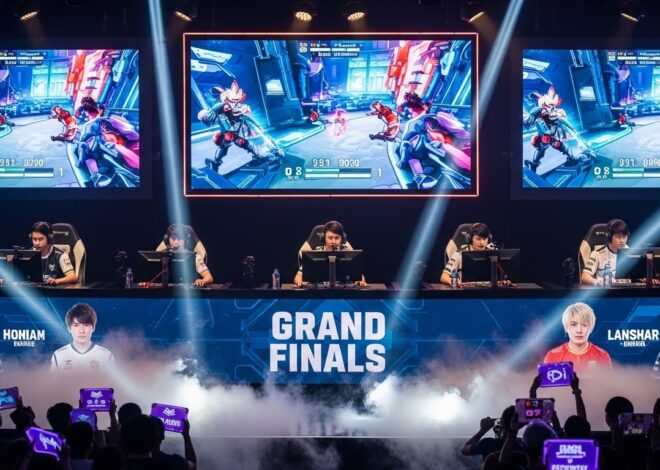
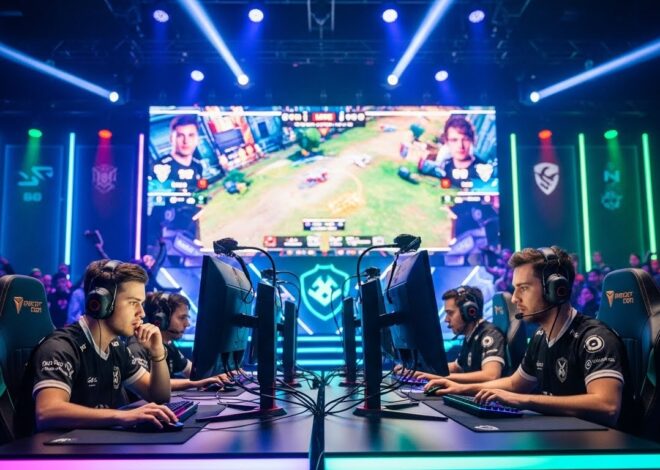
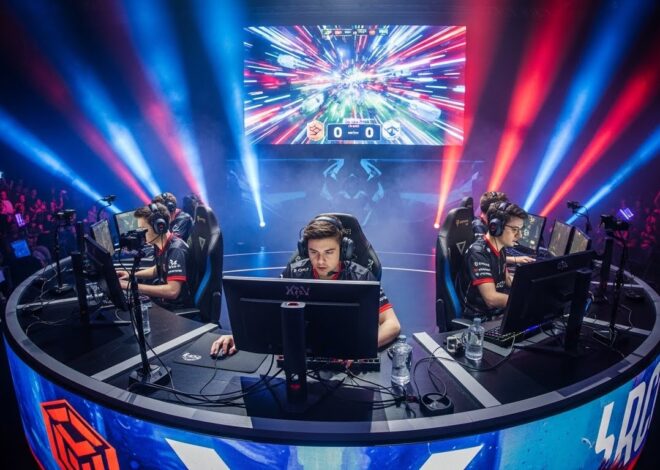
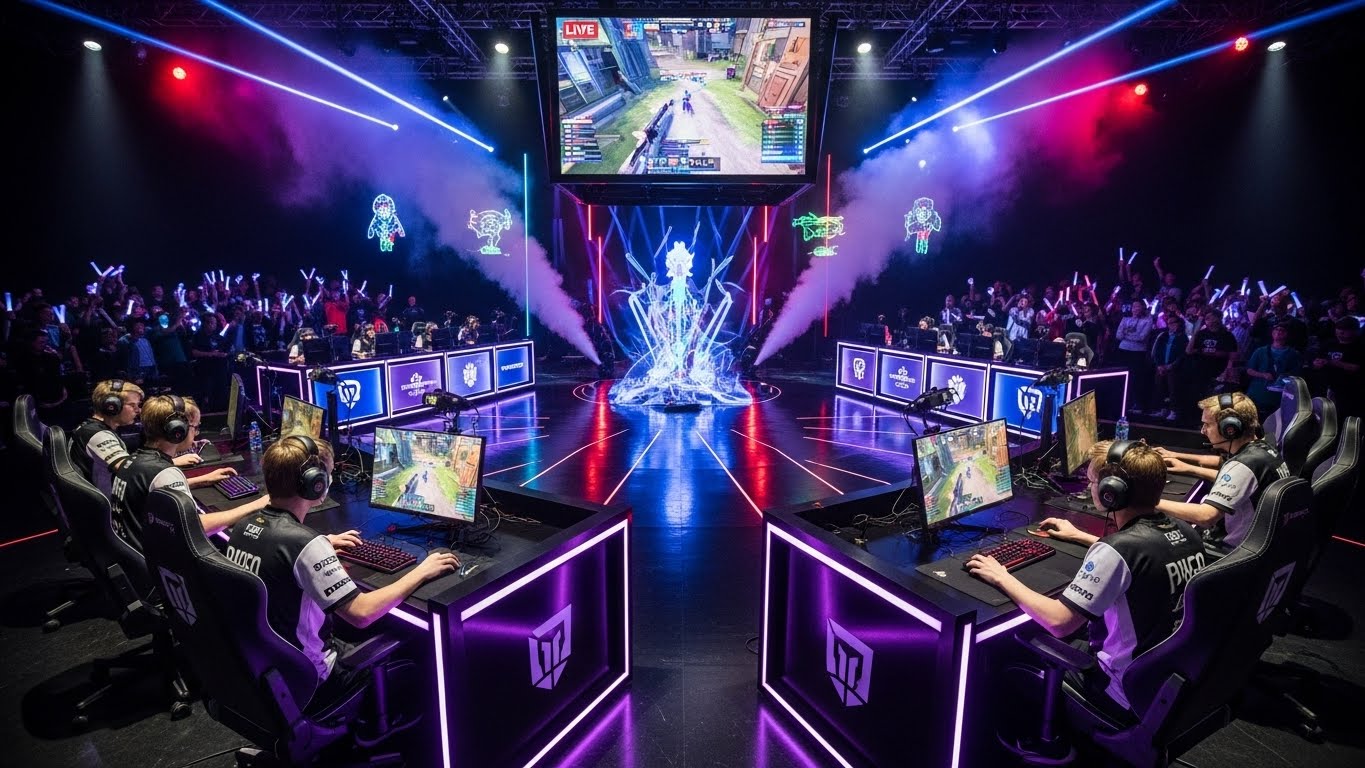
Furthermore, the expansion of esports has been marked by the growth of dedicated esports arenas. These purpose-built stadiums cater to the needs of professional gamers and spectators alike. The HyperX Esports Arena in Las Vegas and The Esports Arena in Los Angeles are prime examples of the evolution of esports as a legitimate spectator sport.
The Impact of Esports on Traditional Sports
One of the most fascinating aspects of esports’ rise is its impact on traditional sports. Esports and traditional sports often share a similar fanbase, as many esports enthusiasts are also sports fans, and vice versa. However, esports has also proven to be a disruptive force in the traditional sports world.
For example, in many countries, esports is now recognized as an official sport, with national esports federations emerging to regulate competitions and create opportunities for talent development. Countries like South Korea have led the way in integrating esports into the sporting culture, with esports becoming part of the national sporting ecosystem.
Moreover, some traditional sports leagues have taken an interest in esports as a way to engage younger audiences. The NBA launched its NBA 2K League, allowing players to compete in the video game version of the league. Similarly, football clubs like Manchester City and Paris Saint-Germain have established esports teams to tap into the growing market of competitive gaming.
Challenges Facing Esports: Inclusivity, Sustainability, and Regulation
Despite its rapid growth, esports faces several challenges that threaten its long-term sustainability. One of the primary concerns is the lack of inclusivity within the industry. Historically, esports has been dominated by male players, with women being significantly underrepresented. While there have been efforts to create more inclusive environments, including women-only tournaments and initiatives aimed at increasing female participation, gender disparity remains an issue.
Another challenge is the sustainability of the esports ecosystem. While the industry has seen a huge influx of investment, many esports organizations and players still struggle with financial stability. The reliance on sponsorships, streaming revenue, and tournament prize pools can make it difficult for esports teams to achieve long-term profitability without diversified income streams.
Additionally, esports has faced challenges regarding regulation and governance. As the industry grows, the need for standardized rules, anti-cheating measures, and player protection becomes more pressing. Esports organizations are increasingly focusing on improving the fairness of competitions, addressing issues like match-fixing, doping, and player burnout.
The Future of Esports: A Global Phenomenon
As we look to the future, esports is poised to continue its upward trajectory. The industry’s ability to attract massive audiences, combined with the increasing legitimacy of esports as a professional sport, positions it well for even more widespread recognition.
Virtual and augmented reality (VR/AR) technologies will likely play a role in shaping the next generation of esports. The development of more immersive gaming experiences could revolutionize how esports tournaments are conducted and viewed. Additionally, mobile esports—driven by the popularity of mobile gaming in regions like Asia—is expected to become an even more significant component of the global esports ecosystem.
Esports is also likely to expand into new markets, particularly in emerging economies. As infrastructure improves and internet access becomes more widespread, countries in Africa, Latin America, and Southeast Asia will become important hubs for esports talent and competition.
Conclusion: The Digital Revolution Continues
Esports has come a long way from its humble beginnings in local arcades to become a digital revolution that has changed the way we view competitive entertainment. It has proven itself to be a legitimate industry, with a dedicated fanbase, significant investments, and a cultural influence that stretches far beyond the gaming community.
While challenges remain, including the need for inclusivity, sustainability, and regulation, esports has the potential to continue growing and evolving into something even bigger in the coming years. Whether you’re a player, a fan, or just an observer, the future of esports is an exciting one, and it’s clear that this digital revolution is just getting started.