Beyond the Screen: How Esports Became a Global Competitive Powerhouse
Introduction
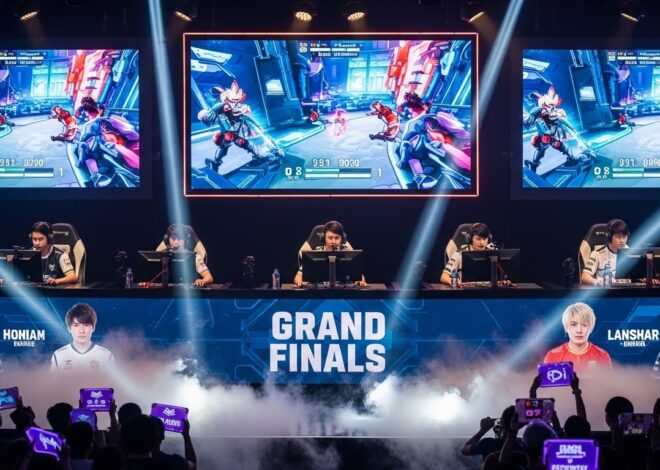
Esports, once seen as a niche hobby practiced by dedicated gamers in dimly lit rooms, has transformed into a global phenomenon attracting millions of viewers, generating massive revenue, and producing professional athletes whose skills rival those in traditional sports. It is no longer simply about playing video games; it is about strategy, endurance, teamwork, branding, and business. Today, esports stands tall as one of the fastest-growing industries in entertainment and tech. This blog explores the rise of esports, the culture behind it, the impact on society, and where the future of competitive gaming is headed.
The Evolution of Competitive Gaming
The journey of esports began humbly in the late twentieth century when arcade high-scores and small-scale tournaments sparked the first flame of competitive gaming. Early contests were local gatherings or college-based events, drawing modest crowds and offering limited prizes. As technology advanced, gaming moved from arcades to personal computers and consoles, unlocking a new world of accessibility.
The 2000s marked a turning point. With improved internet speeds, online multiplayer gaming became mainstream. Titles such as Counter-Strike, StarCraft, Halo, and Warcraft III laid the groundwork for organized competition. The growing influence of online forums, gaming clans, and local area network parties helped establish a strong community culture that would later become the backbone of modern esports.
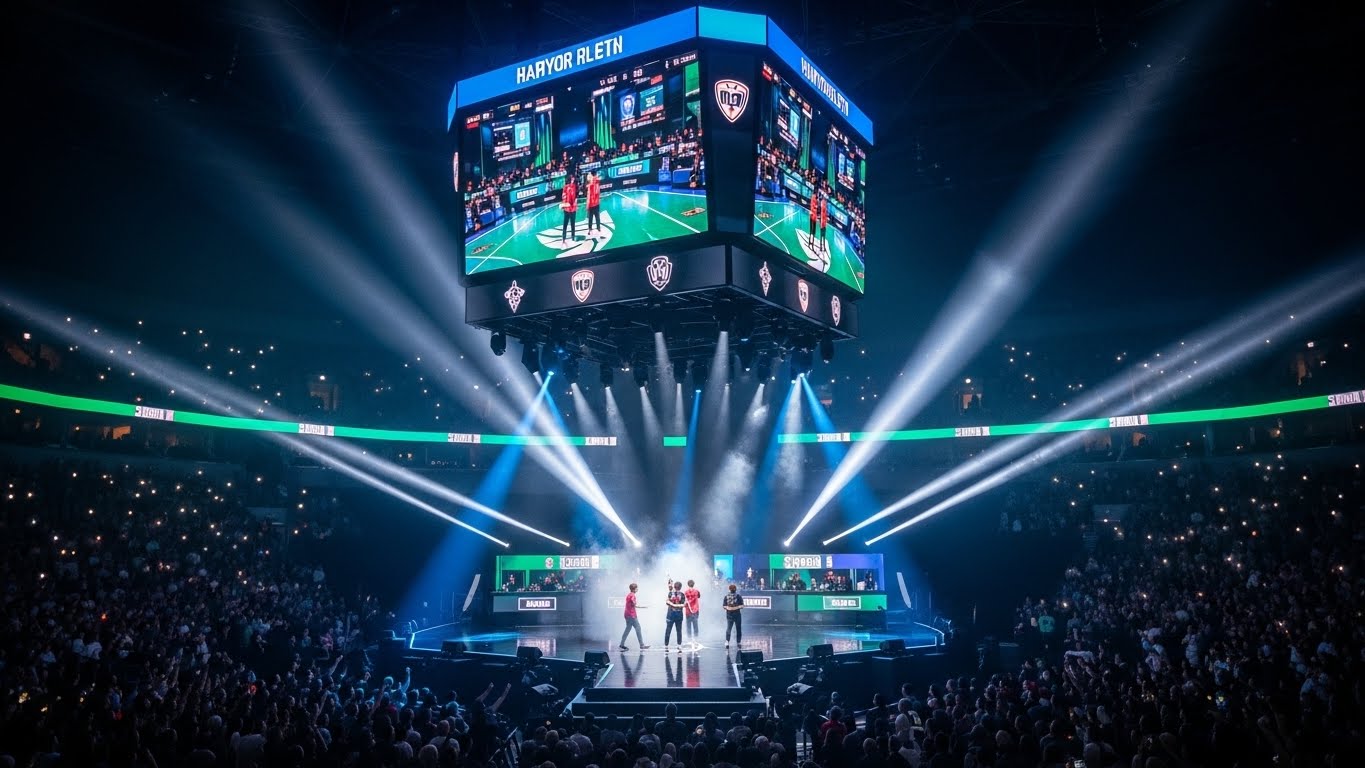
By the 2010s, esports exploded into the global scene as streaming platforms enabled massive audiences to watch live tournaments. The industry transitioned from underground gatherings to large-scale events held in packed stadiums, creating a new frontier for spectatorship and competition.
The Rise of Esports as a Global Industry
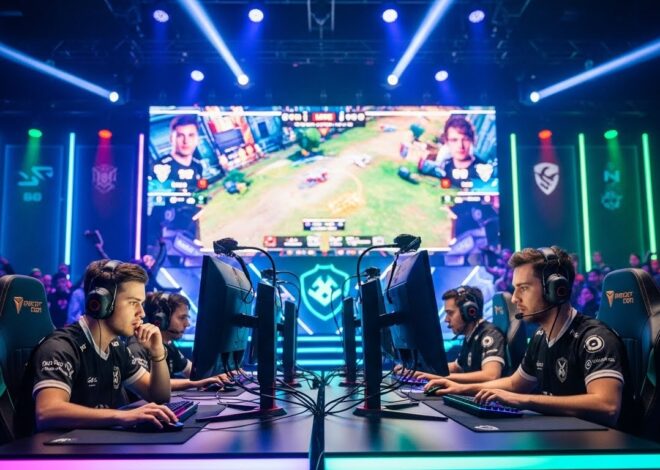
Esports is more than entertainment; it is a thriving business ecosystem. Professional teams operate like traditional sports franchises, complete with coaches, analysts, training schedules, contracts, and sponsorships. Organizations invest heavily in talent development, seeking players who demonstrate exceptional reflexes, decision-making skills, discipline, and teamwork.
The revenue model behind esports is multifaceted. Tournament prize pools, merchandising, in-game purchases, sponsorship agreements, media rights, and brand collaborations all contribute to substantial annual growth. Many mainstream brands that once avoided the gaming world now actively seek partnerships within the industry due to its expansive and loyal audience.
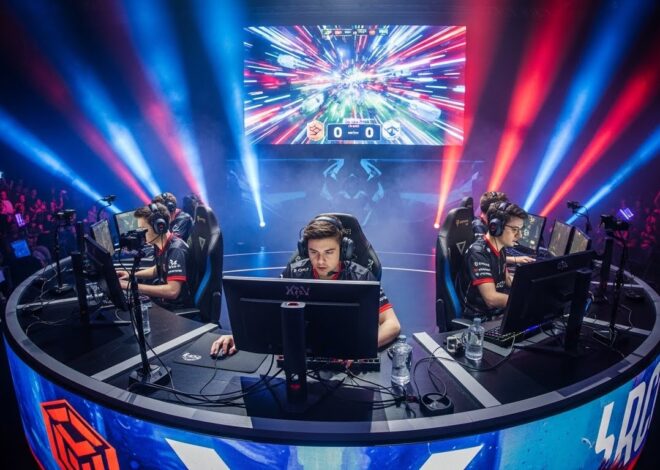
Major tournaments attract millions of viewers worldwide, sometimes surpassing viewership of traditional sporting events. Live broadcasts, commentary desks, panel discussions, and pre-match analysis have become standard, elevating esports into a polished, professional spectacle.
The Games That Shape the Competitive Scene
Different esports titles represent various genres, each appealing to unique player bases and audiences. Strategy games test intellectual prowess, shooters demand fast reflexes, and battle arena games require teamwork and complex decision-making.
Some popular genres in esports include:
Multiplayer Online Battle Arenas: Games that emphasize strategy, role assignment, and team synergy. They are among the most watched due to their intense pacing and intricate mechanics.
First-Person Shooters: These require precision, communication, and split-second reactions, making them exhilarating to watch and challenging to master.
Battle Royales: A relatively new genre that emphasizes survival, exploration, and adaptability within a shrinking battlefield.
Sports Simulations and Racing Games: These games replicate real-world sports but add the element of digital mastery, creating opportunities for crossover appeal with traditional sports fans.
Each genre brings a distinctive style of competition and fosters its own community culture. The diversity of titles within esports ensures a wide demographic appeal.
The Culture Behind Esports Communities
Esports thrives because of its community. Gaming fans support their favorite players and teams with intense passion. Online forums, social media, streams, and fan events create a sense of belonging and shared excitement.
Streamer culture plays a major role. Many professional players and personalities broadcast their gameplay, offering training tips, commentary, or simply entertainment. This direct connection between athletes and fans is something traditional sports did not offer until recently.
Cosplay, fan art, memes, and online discussions contribute to a vibrant cultural scene that blends creativity with fandom. Esports events often feel like festivals, complete with music, food, merchandise booths, and interactive experiences.
Inclusivity is also expanding. The industry is increasingly recognizing and welcoming female gamers, diverse ethnic backgrounds, and a wide range of identities. While challenges remain, the move toward a more welcoming environment is evident.
Esports as a Legitimate Athletic Endeavor
There was a time when calling gamers “athletes” sparked debate. Today, that debate has largely faded. Professional esports players undergo rigorous training similar to traditional athletes. They practice for hours daily, refine strategies, analyze gameplay footage, and work closely with coaches to maintain peak performance.
Mental resilience plays a huge role. Esports demands concentration, fast critical thinking, adaptability, and the ability to perform under pressure. Reaction times can be faster than those of traditional sports athletes. Additionally, physical endurance is required as players must maintain posture, precision, and stamina during long tournaments.
Many universities now offer esports scholarships, recognizing the skill and dedication needed to excel in the field. Training facilities, nutrition plans, and sports psychologists are becoming standard components of professional esports organizations.
Technology’s Role in Shaping Esports
Cutting-edge technology is central to the growth of esports. High-performance gaming hardware, advanced software engines, and stable internet infrastructure enable smooth competition. Virtual reality, augmented reality, and motion-tracking innovations are opening doors for new gaming experiences and competitive formats.
Streaming technology revolutionized the way esports is consumed. Viewers can watch events live, interact with hosts, or participate in chat discussions. This creates a dynamic, interactive form of entertainment unmatched by traditional broadcasts.
The rise of mobile gaming further democratized access to esports. Now, players from regions with limited access to high-end hardware can compete at international levels using mobile devices. This expansion has opened the industry to millions of new participants.
The Social and Economic Impact of Esports
Esports influences more than entertainment. It drives job creation, education, tourism, and technological development. Cities that host major tournaments attract visitors, boost local businesses, and gain media visibility.
The industry supports careers beyond professional play. Casting, production, game design, event management, marketing, coaching, psychology, and journalism are all viable paths within esports. This ecosystem fosters opportunities for individuals with diverse talents.
Schools and universities integrate gaming and esports into curriculum and extracurricular programs, teaching teamwork, communication, and problem-solving. Esports also bridges social gaps, helping people connect globally regardless of background.
Challenges Facing the Esports Industry
Despite its rapid growth, esports faces several challenges. Player burnout is a significant concern due to intense practice schedules and competitive pressure. Young players often start at early ages, which raises questions about education balance and long-term career sustainability.
Fair play and regulation remain ongoing discussions. With various games and leagues, establishing universal standards is complex. Issues such as cheating, match fixing, and toxicity require constant monitoring.
Financial stability can also be uncertain, especially for smaller teams or developing regions. As with any emerging industry, sustainable growth requires careful planning, ethical oversight, and continued investment.
The Future of Esports
The future of esports appears brighter than ever. Continued technological advancements, professionalization, and mainstream acceptance position the industry for ongoing global expansion. Virtual reality competitions may reshape player interactions, while artificial intelligence could revolutionize training and analytics.
Esports may soon be included in major international sporting events, giving it an even stronger platform. Schools will continue to integrate competitive gaming into academic life, and investors will look for ways to innovate in areas such as fan engagement and monetization.
As gaming continues to thrive across cultures and age groups, esports will rise alongside it, blending entertainment, technology, and global connectivity in ways that were unimaginable just a few decades ago.
Conclusion
Esports is more than a trend; it is a cultural and technological movement redefining competition, community, and entertainment. Its rise from small gatherings to worldwide tournaments reflects the power of digital evolution and human creativity. Whether you are a dedicated gamer, a curious spectator, or someone exploring the industry for the first time, the world of esports offers excitement, innovation, and endless possibilities. As it continues to grow, it will shape the future of sports, media, and global culture for generations to come.