Digital Arenas and Global Champions: The Transformative World of Esports
Introduction
Esports, short for electronic sports, has evolved into a global phenomenon that transcends traditional gaming. What started as casual competitions among friends in small local communities has grown into a massive industry encompassing professional players, international tournaments, sponsorship deals, and millions of fans worldwide. It is no longer just a pastime; esports represents a complex ecosystem where skill, strategy, and entertainment intersect. This blog explores the origins, evolution, cultural impact, and future of esports, illustrating why it has become a defining feature of modern entertainment.
The Origins of Competitive Gaming
The concept of competitive gaming has existed since the earliest days of video games. In the 1970s and 1980s, arcade tournaments brought together small groups of players to compete in games such as Space Invaders and Pac-Man. These events were often informal, yet they highlighted the human desire for challenge, skill mastery, and recognition.
The 1990s marked a significant turning point with the rise of personal computers and local area networks. Games like StarCraft and Quake allowed players to compete in multiplayer environments, establishing the foundations for organized competitions. Even at this early stage, the idea of skill-based gaming attracting spectators and participants from different regions began to take shape.
The Professionalization of Esports
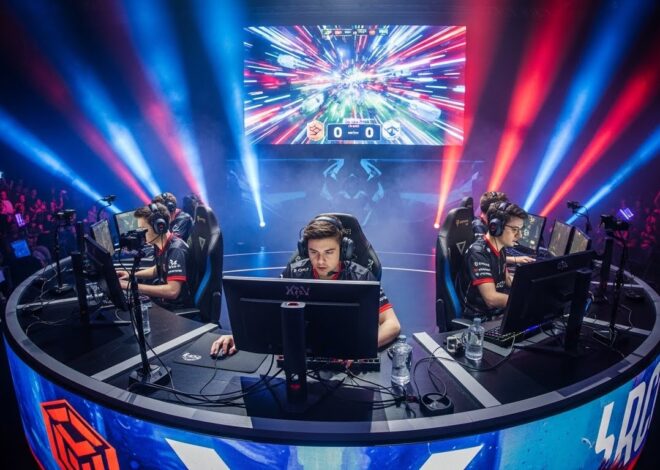
As gaming technology advanced, esports transitioned from hobbyist competitions to structured, professional events. Developers began designing games specifically with competitive balance and longevity in mind. Titles such as League of Legends, Counter-Strike, Dota 2, and Overwatch became platforms for professional teams, formal leagues, and high-stakes tournaments.
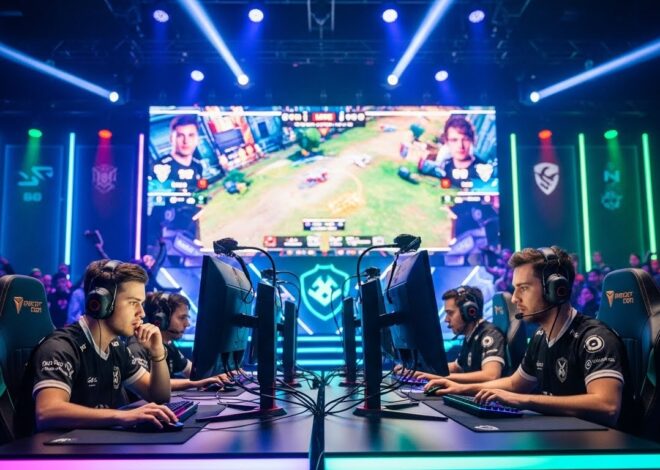
Professional esports athletes dedicate countless hours to honing their skills. They follow rigorous training schedules, study opponents’ strategies, and maintain physical and mental health to perform at peak levels. Support teams, including coaches, analysts, and managers, further enhance performance. This professionalization mirrors traditional sports and has elevated esports to a legitimate and respected competitive arena.
The Appeal of Esports to Players and Fans
Esports captivates players and fans alike for several reasons. For participants, esports offers a sense of achievement, skill mastery, and the opportunity for recognition. Unlike traditional sports, digital competitions allow almost anyone with dedication and talent to compete, regardless of physical attributes or geographic location.
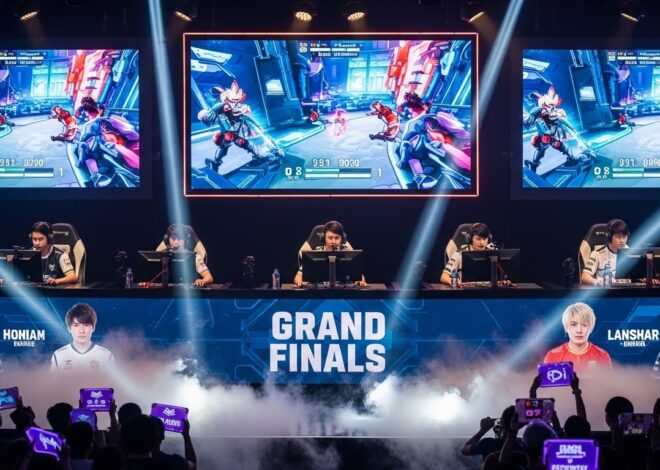
Fans are drawn to esports for its dynamic gameplay, unpredictability, and entertainment value. Live streaming platforms allow audiences to watch competitions in real time, engage with commentary, and interact with other fans. The combination of strategy, skill, and spectacle creates a viewing experience that rivals many traditional sporting events.
The Role of Technology in Esports
Technology is the backbone of esports. High-speed internet, powerful gaming hardware, and advanced streaming platforms make competitive gaming possible and accessible worldwide. Performance analytics, artificial intelligence, and in-game tracking tools help players refine strategies and measure progress.
Emerging technologies, including virtual reality and augmented reality, promise to redefine esports experiences. These innovations will create immersive environments, enabling players and spectators to interact in unprecedented ways. The continuous advancement of technology ensures that esports remains at the forefront of interactive entertainment.
Esports as a Career Path
Esports is no longer limited to professional players. The industry has expanded to include careers in coaching, commentary, event management, marketing, content creation, and game development. Universities and institutions now offer scholarships and programs for aspiring esports professionals, recognizing it as a legitimate career option.
Professional players can earn substantial incomes through tournament winnings, sponsorships, and streaming revenue. Teams invest in branding, merchandising, and fan engagement, creating diverse opportunities for growth. Esports has transformed from a recreational activity into a multi-faceted career landscape with global reach.
Community and Social Impact
One of the most remarkable aspects of esports is its ability to build communities. Online forums, social media groups, and live streaming platforms allow players and fans to connect across borders. Shared experiences, whether competing in tournaments or watching live events, create a sense of belonging and identity within the esports culture.
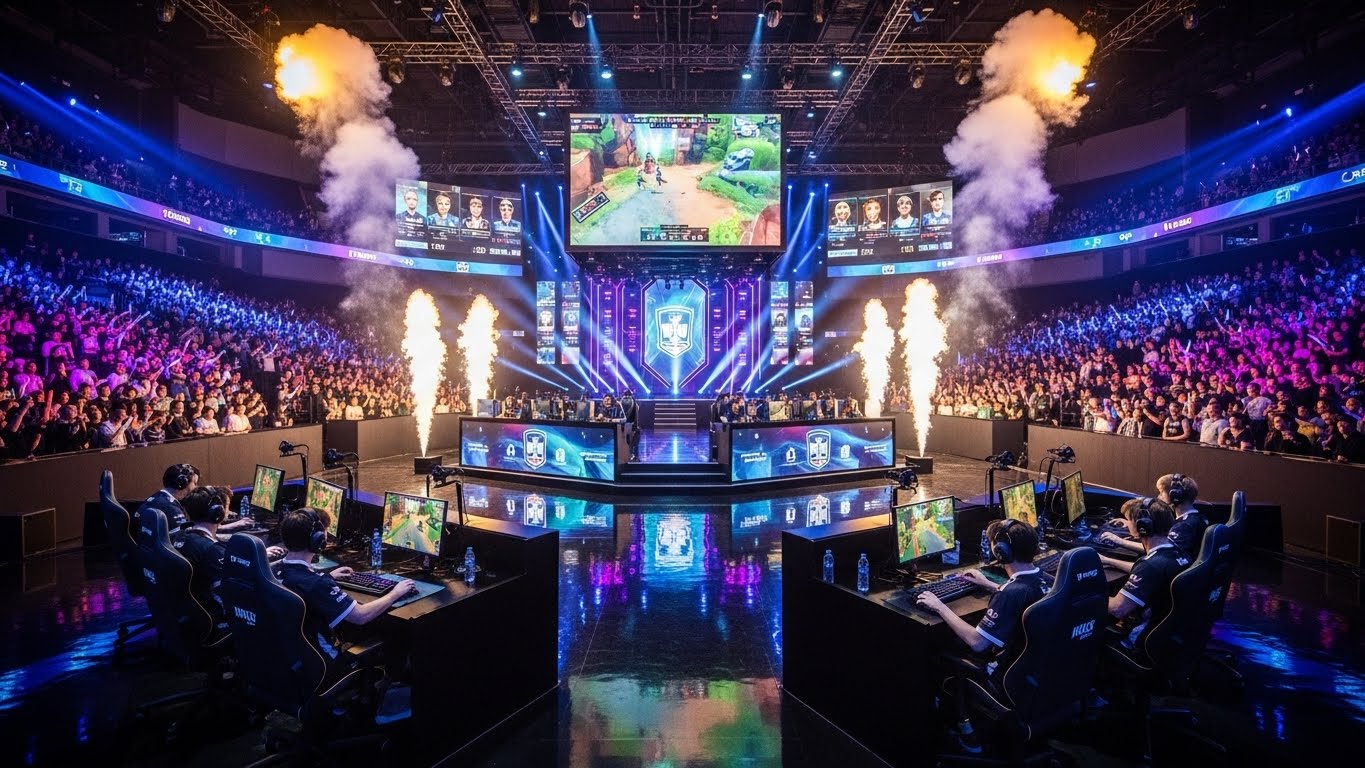
Local and international tournaments bring together players, fans, and organizers, fostering camaraderie and cultural exchange. The social aspect of esports extends beyond competition, influencing music, art, fashion, and digital media trends. It has become a powerful vehicle for global interaction and cultural connection.
The Mental and Physical Demands of Esports
Contrary to misconceptions, esports requires significant mental and physical discipline. High-level gaming demands rapid decision-making, memory, concentration, and multitasking. Professional players often follow strict routines to maintain reflexes, strategic thinking, and overall well-being.
Physical fitness is increasingly emphasized, as it enhances endurance, reduces fatigue, and improves mental clarity. Nutrition, sleep, and stress management are integral components of a professional esports athlete’s routine. This combination of mental acuity and physical care distinguishes esports from casual gaming and reinforces its legitimacy as a competitive discipline.
The Economic Significance of Esports
Esports has emerged as a multi-billion-dollar industry. Revenue streams include tournament prize pools, sponsorship deals, merchandise sales, and media rights. Cities hosting major esports events benefit economically through tourism, local spending, and global exposure.
The growth of esports has stimulated adjacent industries such as hardware manufacturing, software development, broadcasting, and marketing. The industry’s economic impact demonstrates that esports is not only entertainment but also a significant contributor to the global economy.
Challenges Facing Esports
Despite its growth, esports faces challenges. Player burnout and mental health concerns are major issues due to rigorous training schedules and competitive pressures. Ensuring fairness, preventing cheating, and maintaining transparency remain critical for sustaining trust in the industry.
Regulatory and legal frameworks are still evolving, with differences between countries complicating global competition. Additionally, public perception sometimes underestimates the skill, discipline, and professionalism required to succeed in esports. Addressing these challenges is essential to ensuring long-term sustainability and legitimacy.
The Future of Esports
The future of esports is filled with possibilities. Technological advancements, including virtual reality, augmented reality, and artificial intelligence, will enhance gameplay, training, and spectator experiences. Cross-platform competitions, interactive streaming, and immersive events will expand accessibility and engagement.
Esports will continue merging with traditional sports, creating hybrid competitions and increasing visibility. Educational programs and youth initiatives will foster new talent, ensuring the next generation of players is prepared for professional competition. As digital culture continues to shape global entertainment, esports will remain at the forefront, blending skill, innovation, and spectacle.
Conclusion
Esports has transformed from small-scale gaming competitions into a global cultural and economic powerhouse. It combines skill, strategy, entertainment, and community in ways that rival traditional sports. Players dedicate themselves to rigorous training, while fans participate in dynamic and interactive experiences.
The industry provides diverse career opportunities, fosters global communities, and stimulates economic growth. Despite challenges such as player burnout and regulation, esports continues to evolve, leveraging technology and creativity to redefine competition.
In the digital age, esports is more than a game; it is a cultural movement, a professional pursuit, and a form of entertainment that transcends borders. Its growth and influence demonstrate the enduring human desire for competition, connection, and achievement in an increasingly digital world.