Beyond the Game: How Sports Shape Lives and Society
Introduction: The Enduring Appeal of Sports
Sports have always been more than just games. Across cultures and generations, they have provided entertainment, physical challenges, and opportunities for personal growth. From informal neighborhood matches to grand international tournaments, sports hold a unique place in human society. They inspire passion, build community, and foster resilience.
In the modern world, sports are a global phenomenon. Advances in media, technology, and infrastructure have transformed how people engage with sports, making it accessible to millions worldwide. They serve as a bridge between cultures, a platform for education, and a catalyst for health and wellness.
The Historical Evolution of Sports
Sports have ancient roots, dating back thousands of years. Civilizations such as Greece, Egypt, and China used sports for religious ceremonies, military training, and public entertainment. The Olympic Games, originating in 776 BC, remain a symbol of excellence and international competition.
Over centuries, sports evolved into organized competitions with standardized rules, leagues, and governing bodies. The professionalization of athletics allowed players to dedicate their lives to the pursuit of excellence, while spectatorship grew with the rise of media and mass communication. Today, sports continue to evolve, blending tradition with innovation and technology.
The Physical and Mental Benefits of Sports
Participation in sports provides extensive physical benefits. Regular activity improves cardiovascular health, builds muscle strength, increases flexibility, and enhances overall fitness. Beyond physical health, sports have significant mental benefits. They reduce stress, improve mood, enhance focus, and foster resilience in the face of challenges.
Team sports, in particular, teach valuable social skills such as cooperation, communication, and problem-solving. Individuals learn to work toward common goals, adapt strategies under pressure, and support their teammates. These lessons extend beyond the field, contributing to personal development and life skills.
Different Types of Sports
Sports can be categorized into various types, each with unique characteristics:
- Team Sports: Football, basketball, cricket, and volleyball emphasize teamwork, coordination, and collective effort. Success depends on communication, strategy, and collaboration.
- Individual Sports: Tennis, swimming, athletics, and gymnastics focus on personal skill, endurance, and discipline. These sports challenge participants to reach their maximum potential.
- Adventure and Extreme Sports: Rock climbing, surfing, skateboarding, and skydiving combine physical skill with risk-taking and thrill-seeking.
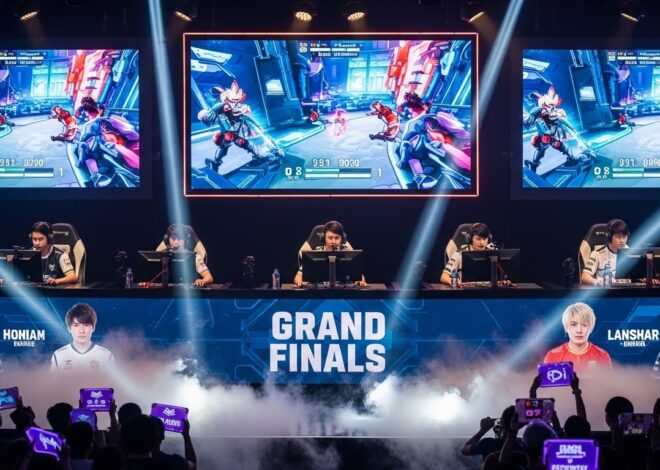
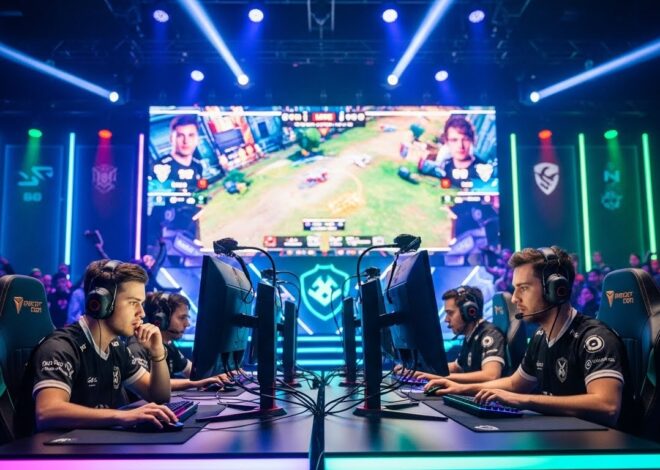
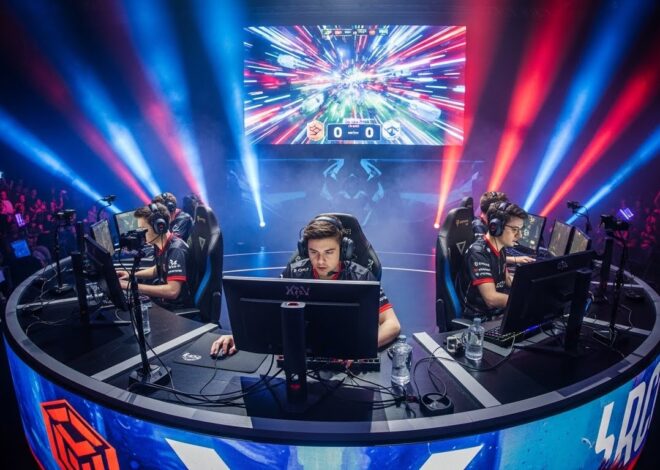
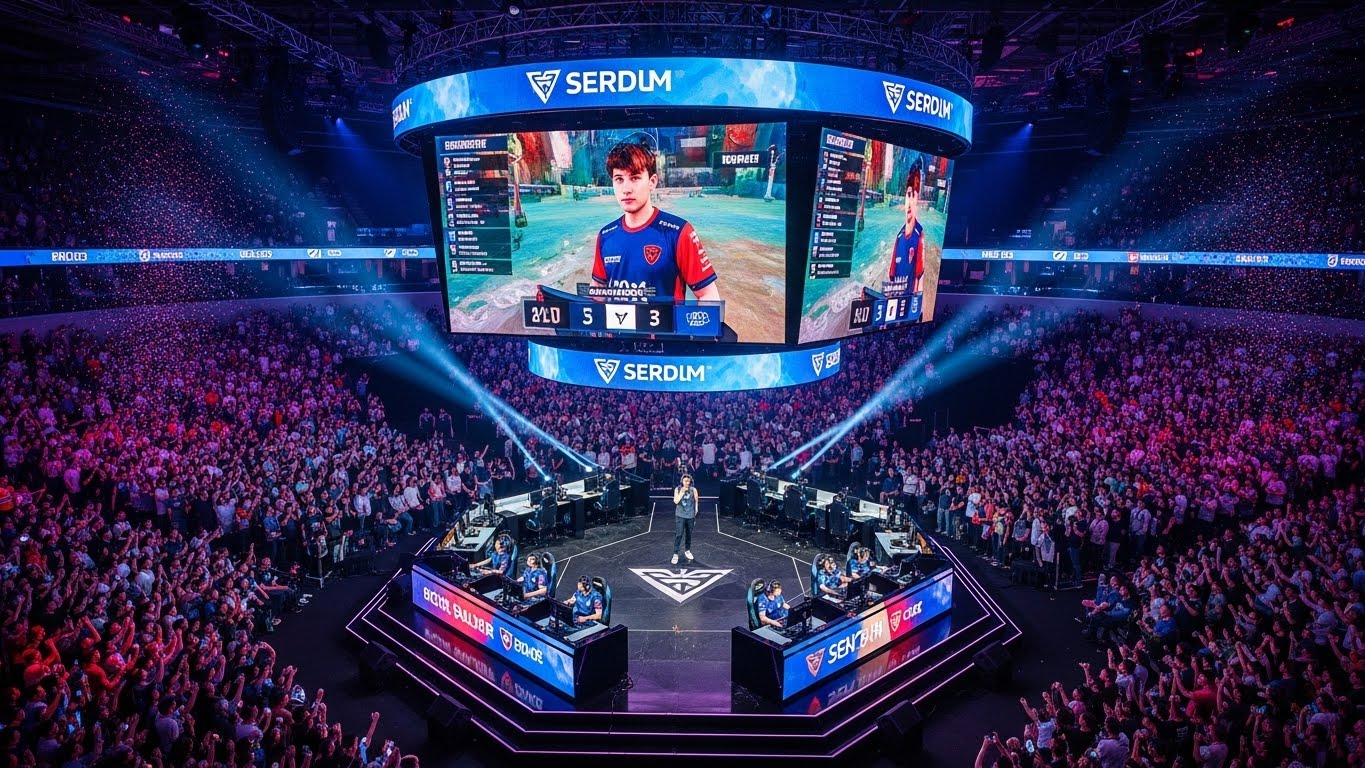
- Mind Sports: Chess, bridge, and e-sports highlight mental agility, strategy, and critical thinking.
The diversity of sports ensures that everyone, regardless of ability or interest, can find a suitable activity to participate in or enjoy as a spectator.
Sports as a Social Connector
One of the most powerful aspects of sports is their ability to bring people together. Communities rally around local teams, fans support national squads, and international competitions unite audiences across the globe. Sporting events create shared experiences that transcend differences in culture, language, or background.
At the grassroots level, sports foster inclusivity and community engagement. Children and adults alike can participate, learn teamwork, and build friendships. Globally, sports events such as the FIFA World Cup or the Olympics serve as platforms for cultural exchange, diplomacy, and unity.
The Economic Significance of Sports
Sports have a substantial economic impact. Professional leagues, tournaments, and events generate revenue through ticket sales, broadcasting rights, merchandise, and sponsorship deals. Stadiums, training facilities, and sports academies create jobs and contribute to local economies.
Athletes, coaches, trainers, and support staff are part of a vast industry that also includes marketing, event management, and media production. The business of sports continues to grow, driving innovation, investment, and global engagement.
The Role of Sports in Education
Sports play an essential role in education, offering opportunities for students to develop physical fitness, discipline, and teamwork. Schools and universities use sports programs to cultivate talent, promote leadership, and encourage healthy competition.
Student-athletes learn time management, perseverance, and goal-setting. Participation in sports can also open doors to scholarships, higher education opportunities, and professional athletic careers. By integrating sports into education, institutions help students develop both physically and mentally.
Media and Its Influence on Sports
The media has transformed how people consume sports. Television, radio, and digital platforms allow fans to watch live games, follow updates, and analyze performances from anywhere in the world. Social media has created direct interaction between athletes, teams, and fans, enhancing engagement and loyalty.
Media exposure has elevated athletes to global celebrity status, increasing their influence in society. It also drives fan culture, merchandising, and sponsorship opportunities. By connecting audiences to the excitement of sports, media has amplified the reach and impact of athletic competition.
Technology and Innovation in Sports
Technology has reshaped sports in training, performance, and viewing experiences. Wearable devices track fitness, monitor health metrics, and optimize athletic performance. Video analysis tools and instant replay systems help coaches refine strategies and ensure fair play.
Virtual reality and augmented reality are revolutionizing both training and fan engagement. From immersive viewing experiences to simulated practice environments, technology enhances how athletes perform and how audiences interact with sports. E-sports exemplify the intersection of technology and athletic competition, creating entirely new avenues for engagement.
Gender Equality and Diversity in Sports
Sports have historically faced challenges related to gender equality and representation. However, significant progress has been made. Female athletes are gaining visibility and recognition, inspiring new generations to participate in competitive sports.
Adaptive sports for athletes with disabilities showcase inclusivity and the incredible potential of all individuals. Events like the Paralympics demonstrate that sports can be a platform for promoting equality, breaking stereotypes, and celebrating human achievement.
Mental Strength and Sports Psychology
Success in sports requires more than physical skill. Mental resilience, focus, and motivation are crucial for performance. Sports psychology is now an integral part of athlete development, emphasizing goal-setting, visualization, stress management, and team dynamics.
Athletes learn to cope with pressure, recover from setbacks, and maintain consistency. These psychological skills extend beyond sports, helping individuals navigate challenges in everyday life, education, and careers.
Global Competitions and International Influence
International competitions showcase the best athletes and unite nations in celebration of talent and sportsmanship. The Olympics, FIFA World Cup, and other global tournaments attract millions of viewers, fostering national pride and cultural exchange.
These events also provide opportunities for tourism, media engagement, and international collaboration. Global sports competitions demonstrate how athletic pursuits can promote unity, understanding, and shared human experience.
Sports and Personal Development
Participation in sports shapes character, builds confidence, and fosters a sense of discipline. Athletes learn perseverance, ethical conduct, and goal-oriented behavior. Teamwork and leadership skills gained through sports often translate into professional and personal success.
Moreover, sports teach the value of fair play, respect for others, and dedication. They provide a structured environment where individuals can challenge themselves, develop resilience, and cultivate lifelong habits of health and fitness.
The Future of Sports
The future of sports promises exciting innovations and opportunities. Advancements in technology, including virtual reality, data analytics, and wearable devices, will continue to enhance performance and fan experiences. E-sports, hybrid competitions, and interactive events are expanding the definition of what sports can be.
Sustainability and social responsibility will become increasingly important in the organization of sports events. Efforts to reduce environmental impact, promote inclusivity, and ensure athlete welfare will shape the next generation of sports culture.
Conclusion: The Enduring Power of Sports
Sports are more than competition—they are a reflection of human ambition, creativity, and resilience. They bring people together, teach life skills, and inspire excellence. From grassroots initiatives to professional leagues, sports influence individuals, communities, and societies.
In the modern world, sports continue to evolve, driven by technology, media, and global engagement. They remain a powerful source of entertainment, education, health, and social connection. Whether played professionally or recreationally, sports enrich lives, build character, and remind us of the universal pursuit of achievement, teamwork, and joy.
Sports are not just games—they are a transformative force that shapes culture, fosters unity, and celebrates the human spirit.