Esports Unleashed: How Competitive Gaming is Redefining Sports and Entertainment
Esports, or competitive video gaming, has emerged as one of the most significant cultural phenomena of the 21st century. What started as a niche hobby for passionate gamers has evolved into a global industry that rivals traditional sports in terms of viewership, revenue, and professional opportunities. From amateur tournaments to million-dollar professional leagues, esports has redefined the way we perceive competition, skill, and entertainment. This article explores the rise of esports, its impact on individuals and society, and the factors driving its unprecedented growth.
What Is Esports?
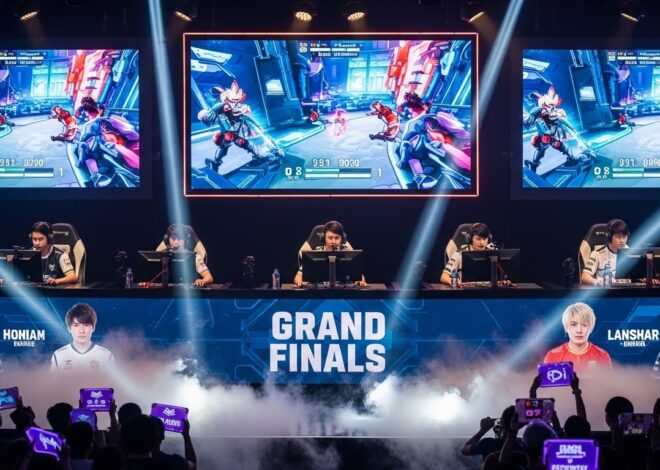
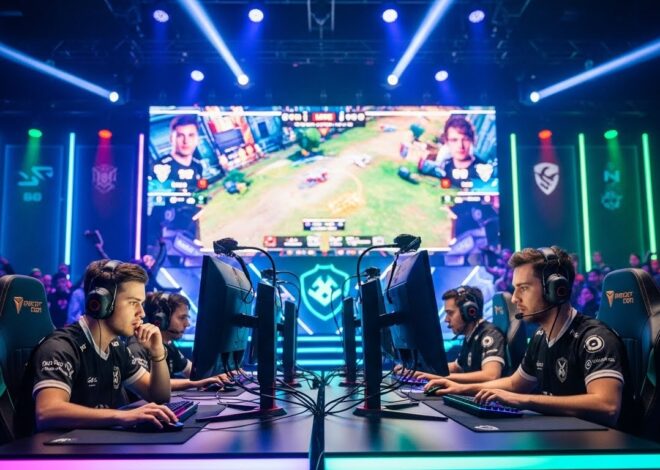
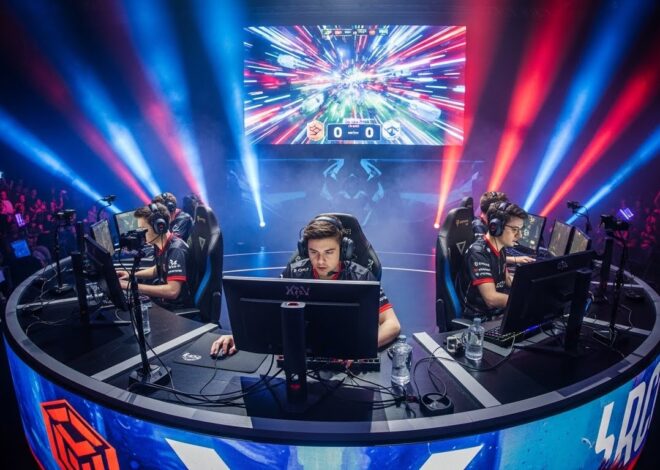
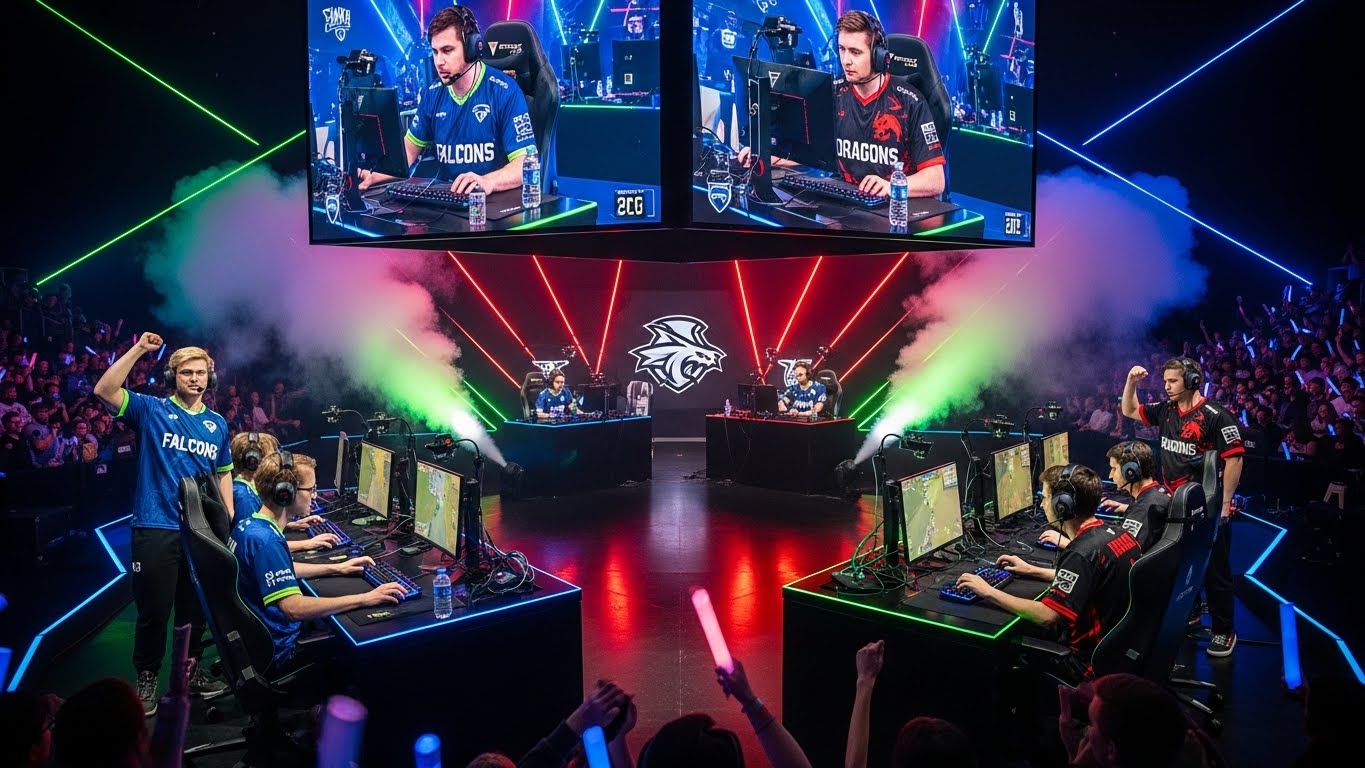
Esports, short for electronic sports, refers to organized, competitive gaming where individuals or teams compete in various video games. Unlike casual gaming, esports requires rigorous training, strategic planning, and high-level skill execution. Competitions range from online tournaments to large-scale international events hosted in arenas, complete with cheering fans, commentators, and extensive media coverage.
Esports covers a wide array of game genres. Multiplayer online battle arena games like League of Legends and Dota 2 emphasize teamwork and strategy. First-person shooters such as Counter-Strike and Call of Duty demand precision, reflexes, and quick decision-making. Sports simulations, fighting games, and battle royale titles also contribute to the diversity of competitive gaming. This variety ensures that esports appeals to multiple demographics and offers something for everyone.
The Rise of Esports
Esports has experienced explosive growth over the past decade. In its early days, competitive gaming was limited to small tournaments in local gaming cafes or basements. Today, esports events fill massive arenas and are broadcast to millions of viewers worldwide. Platforms such as Twitch, YouTube Gaming, and other streaming services have played a pivotal role in bringing esports into the mainstream, allowing fans to watch live competitions, interact with players, and join global gaming communities.
The accessibility of technology has also fueled this rise. High-speed internet, advanced gaming hardware, and improved graphics make online competition seamless and engaging. Players can now train professionally from their homes, participate in global tournaments, and build reputations comparable to traditional athletes.
The Economic Impact of Esports
Esports is no longer just a pastime; it is a multi-billion-dollar industry. Revenue is generated through various channels, including sponsorships, advertising, media rights, merchandise sales, and tournament ticket sales. Professional teams function much like traditional sports franchises, employing coaches, analysts, psychologists, and nutritionists to optimize performance.
The prize pools for major esports tournaments often reach staggering amounts. Some events offer tens of millions of dollars in rewards, attracting talent from across the globe. Beyond the players, esports provides opportunities for careers in broadcasting, content creation, event management, marketing, and software development. This economic ecosystem demonstrates that esports has evolved into a legitimate and sustainable industry.
Skill Development in Esports
Despite misconceptions that video gaming is merely recreational, esports requires exceptional skill. Players dedicate hours every day to honing their reflexes, strategic thinking, communication, and problem-solving abilities. Team-based games demand coordination, trust, and leadership, while individual competitions emphasize focus and adaptability.
Esports also cultivates cognitive skills. Analytical thinking, quick decision-making, and anticipation of opponents’ moves are all essential for competitive success. Players learn to manage pressure, adapt strategies on the fly, and maintain composure during high-stakes situations. These skills extend beyond gaming, enhancing personal and professional development in various fields.
Mental Health and Lifestyle Considerations
While esports provides numerous benefits, it also presents unique challenges. The pressure to perform at a high level can lead to stress, burnout, and anxiety. Long hours of practice and irregular sleep patterns can affect physical health, causing fatigue, eye strain, and musculoskeletal issues.
Acknowledging these risks, many esports organizations now focus on player wellness. Mental health support, structured practice schedules, fitness routines, and rest periods are becoming standard components of professional training programs. These initiatives highlight the importance of balancing skill development with overall well-being, ensuring that esports careers are sustainable.
Career Opportunities in Esports
Esports offers a wide spectrum of career opportunities beyond professional play. Coaches analyze game strategies and train teams to optimize performance. Analysts study opponents, identify patterns, and provide insights to improve outcomes. Content creators produce gaming videos, tutorials, and live streams that engage audiences worldwide. Event organizers, commentators, and media professionals also play integral roles in the esports ecosystem.
Universities and educational institutions have begun to recognize esports as a legitimate field. Scholarship programs, dedicated esports courses, and campus teams provide pathways for students to pursue both academic and professional opportunities in gaming. This legitimization has opened doors for young talent, creating a new generation of esports professionals.
Cultural Influence of Esports
Esports has reshaped digital culture, influencing entertainment, media, and social interactions. Streaming platforms have made competitive gaming a participatory experience, allowing fans to engage directly with players through live chats, donations, and virtual events. Gaming personalities have become celebrities, influencing fashion, lifestyle, and social trends.
The cultural impact extends beyond gaming itself. Esports has helped normalize gaming as a legitimate form of competition, fostering respect for digital athletes and challenging outdated stereotypes. It has also encouraged creativity, with fans producing fan art, memes, and content that celebrates the esports community.
Inclusivity and Global Reach
One of esports’ defining features is inclusivity. Unlike traditional sports that may require physical attributes or extensive facilities, esports can be played by anyone with access to a computer or console and an internet connection. This accessibility promotes diversity and allows players of all genders, ages, and abilities to participate competitively.
Esports competitions often bring together participants from around the world, creating a global community united by a shared passion. Cross-cultural interactions and international tournaments foster mutual respect, understanding, and collaboration. This global reach has made esports a bridge between cultures, connecting people through a universal love for gaming.
Technological Innovation in Esports
Technology drives every aspect of esports. High-performance gaming hardware, ultra-fast internet connections, and realistic graphics engines enhance gameplay and spectator experiences. Data analytics allows teams to monitor performance, track metrics, and develop optimal strategies.
Virtual reality and augmented reality are beginning to influence esports as well, offering immersive training experiences and interactive viewing options. Artificial intelligence tools analyze gameplay patterns, helping teams improve tactics and anticipate opponents. Technology not only enhances performance but also makes esports a continuously evolving and exciting industry.
Challenges in Esports
Despite its rapid growth, esports faces several challenges. The lack of standardized regulations and governing bodies can lead to inconsistencies in competition and ethical concerns. Online harassment, cheating, and toxicity within communities are ongoing issues that require proactive solutions.
Additionally, the intense competitive environment can contribute to early burnout and mental health struggles for players. Ensuring that esports careers are sustainable requires ongoing efforts from organizations, players, and governing bodies to prioritize well-being, fairness, and professional standards.
The Role of Education in Esports
Education is becoming increasingly intertwined with esports. Schools and universities are incorporating esports programs that teach teamwork, leadership, and critical thinking. Students can compete in academic esports leagues while learning essential skills applicable to real-world careers.
Scholarship programs for esports athletes are also on the rise, providing financial support and recognition for talent. Educational initiatives emphasize not only competition but also personal growth, professional development, and ethical gaming practices. This integration of education and esports strengthens the legitimacy and future potential of the industry.
The Future of Esports
The future of esports is poised for continued expansion. Technological advancements, global connectivity, and mainstream acceptance are driving the industry forward. Emerging trends such as virtual reality competitions, AI-assisted analytics, and interactive broadcasts will redefine the spectator experience and player training methods.
Esports is also expected to continue influencing digital culture, entertainment, and media consumption. Its inclusivity and accessibility position it as a platform for creativity, innovation, and cross-cultural exchange. As society increasingly embraces digital forms of engagement, esports will remain a central force in shaping modern entertainment.
Conclusion: Beyond the Game
Esports is more than just playing video games. It is a dynamic ecosystem that blends skill, strategy, technology, and culture, offering opportunities for personal growth, professional careers, and global community engagement. From developing cognitive and emotional skills to generating economic impact and cultural influence, esports has redefined competition in the digital age.
As the industry continues to mature, it challenges traditional ideas of sports, celebrates innovation, and inspires individuals to push their limits. Esports demonstrates that the power of gaming extends far beyond entertainment, shaping the future of competition, community, and creativity in ways that are exciting, inclusive, and transformative.