Beyond the Screen: How Esports is Revolutionizing Competitive Entertainment
The world of gaming has transformed dramatically over the past few decades. What began as a hobby for enthusiasts has grown into a global phenomenon known as esports. Short for electronic sports, esports represents competitive video gaming played professionally or semi-professionally. With millions of viewers, massive prize pools, and highly structured leagues, esports has become an industry rivaling traditional sports in cultural and economic impact. In this article, we explore the rise of esports, its influence on society, and why it is reshaping the way we perceive competition and entertainment.
The Birth of Competitive Gaming
The origins of esports can be traced back to the earliest days of video gaming. In the 1970s and 1980s, arcade games provided platforms for players to compete for high scores, sparking the first seeds of competition. Early tournaments were informal, often organized among friends or local gaming communities.
The 1990s saw a significant shift with the advent of multiplayer computer games like StarCraft, Warcraft, and Counter-Strike. These games emphasized strategy, teamwork, and skill, allowing players to compete against each other on local networks and eventually across the internet. This period laid the foundation for modern esports, creating the first competitive gaming communities and paving the way for organized tournaments.
Defining Esports Today
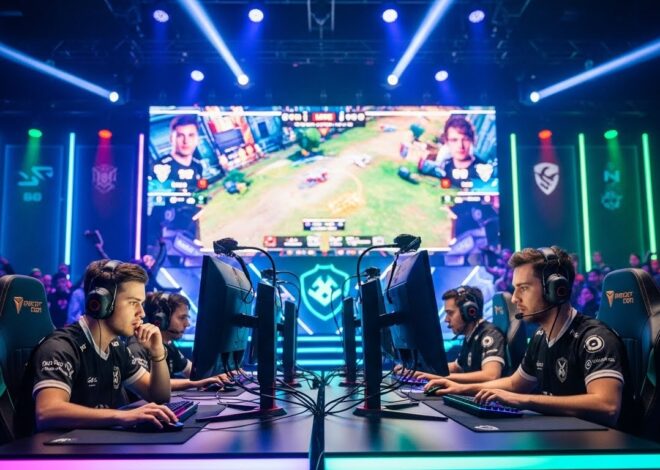
Esports is more than casual gaming. It involves professional-level competition where individuals or teams compete under defined rules, often for substantial rewards. Unlike recreational gaming, esports demands dedication, practice, and mental sharpness. Players train for hours daily, refining their reflexes, decision-making, and strategic planning.
Esports covers a variety of genres, including multiplayer online battle arenas, first-person shooters, fighting games, sports simulations, and real-time strategy games. Each genre requires unique skills and strategies, making esports a diverse and engaging field for both players and fans.
The Growth of the Esports Industry
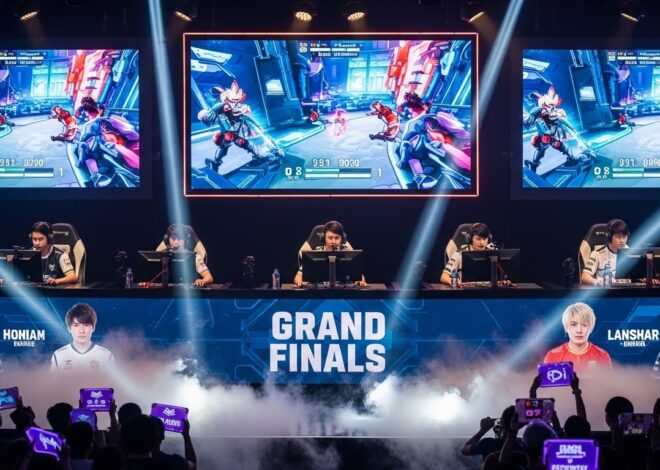
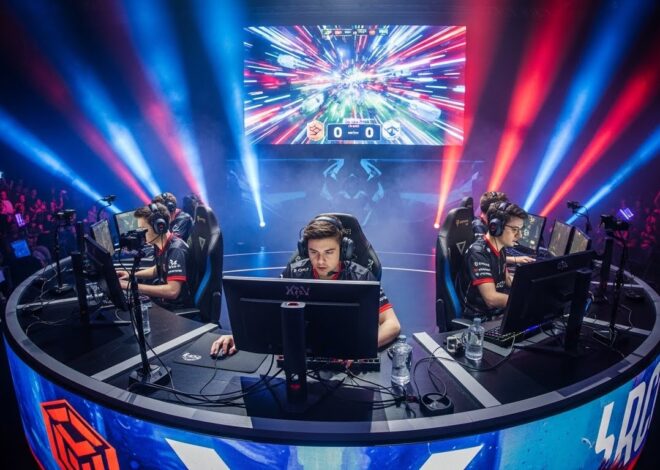
Over the last decade, esports has grown into a multi-billion-dollar industry. Professional tournaments attract millions of viewers online and offline, generating revenue from ticket sales, sponsorships, merchandise, advertising, and broadcasting rights. Streaming platforms dedicated to gaming content have made it easier than ever for fans to watch matches live, follow their favorite players, and engage in esports communities.
Professional esports organizations operate like traditional sports teams. They employ coaches, analysts, nutritionists, and mental performance specialists to help players perform at their best. This level of professionalism highlights the seriousness of esports and underscores the dedication required to succeed in the digital arena.
The Social Impact of Esports
Esports is not just a competition; it is a social phenomenon. Online communities connect players across borders, enabling collaboration, communication, and camaraderie. Team-based games, in particular, teach valuable skills such as cooperation, leadership, and conflict resolution.
Fans also contribute to the social dimension of esports. Spectators participate in live streams, commentaries, and fan communities, fostering a sense of belonging and shared enthusiasm. Esports events create shared experiences that unite people through excitement and emotion, making it much more than a solo activity.
Mental and Cognitive Benefits
Competitive gaming requires sharp cognitive abilities. Esports players must process information quickly, make strategic decisions under pressure, and adapt to rapidly changing scenarios. This fosters skills like problem-solving, multitasking, and critical thinking, which are transferable beyond gaming.
Esports also promotes emotional intelligence. Players learn to manage stress, maintain focus during high-pressure situations, and bounce back from setbacks. The discipline and resilience cultivated through gaming can have positive impacts on personal and professional development.
Professional Pathways in Esports
While professional players often receive the spotlight, esports offers diverse career opportunities. Coaching, tournament management, analysis, broadcasting, marketing, and content creation are all integral to the industry. Many professionals earn livelihoods by streaming their gameplay, producing educational content, or working behind the scenes in esports organizations.
The growth of esports has shown that the industry is not limited to elite players but provides opportunities for anyone passionate about gaming, technology, or digital media. These careers highlight the economic and creative potential of esports in today’s digital economy.
Esports and Cultural Influence
Esports has become a significant cultural force. Professional players have large fan followings and influence fashion, language, and online trends. Major esports tournaments rival traditional sports events in terms of excitement and fan engagement.
The rise of esports challenges outdated stereotypes about gamers. It demonstrates that competitive gaming requires discipline, teamwork, and strategic thinking. As esports gains mainstream acceptance, it is increasingly recognized as a legitimate form of competition and entertainment worldwide.
Challenges in the Esports Landscape
Despite its growth, esports faces several challenges. The high demands of professional competition can lead to burnout, mental fatigue, and physical strain. Extended practice sessions and intense schedules require careful management to maintain player health and well-being.
Toxic behavior in gaming communities, cheating, and harassment are also ongoing issues. Inclusivity and diversity remain areas of concern, as certain esports genres have historically been male-dominated. Addressing these challenges is essential to creating a sustainable and positive environment for all participants.
Technology Driving Esports Innovation
Technology plays a critical role in esports. High-performance computers, gaming peripherals, and stable internet connections are essential for professional competition. Streaming technology allows fans to experience matches in real-time with immersive visuals and interactive features.
Data analytics and artificial intelligence are increasingly used for performance evaluation and strategic planning. Teams analyze gameplay patterns to optimize decision-making and identify weaknesses. Emerging technologies like virtual reality and cloud gaming promise to expand the possibilities of esports further, creating new experiences for players and audiences.
Esports as a Global Phenomenon
Esports has a truly global reach. Competitive scenes thrive across continents, with international tournaments bringing together the best players worldwide. This global presence fosters cross-cultural exchange, collaboration, and mutual respect among participants.
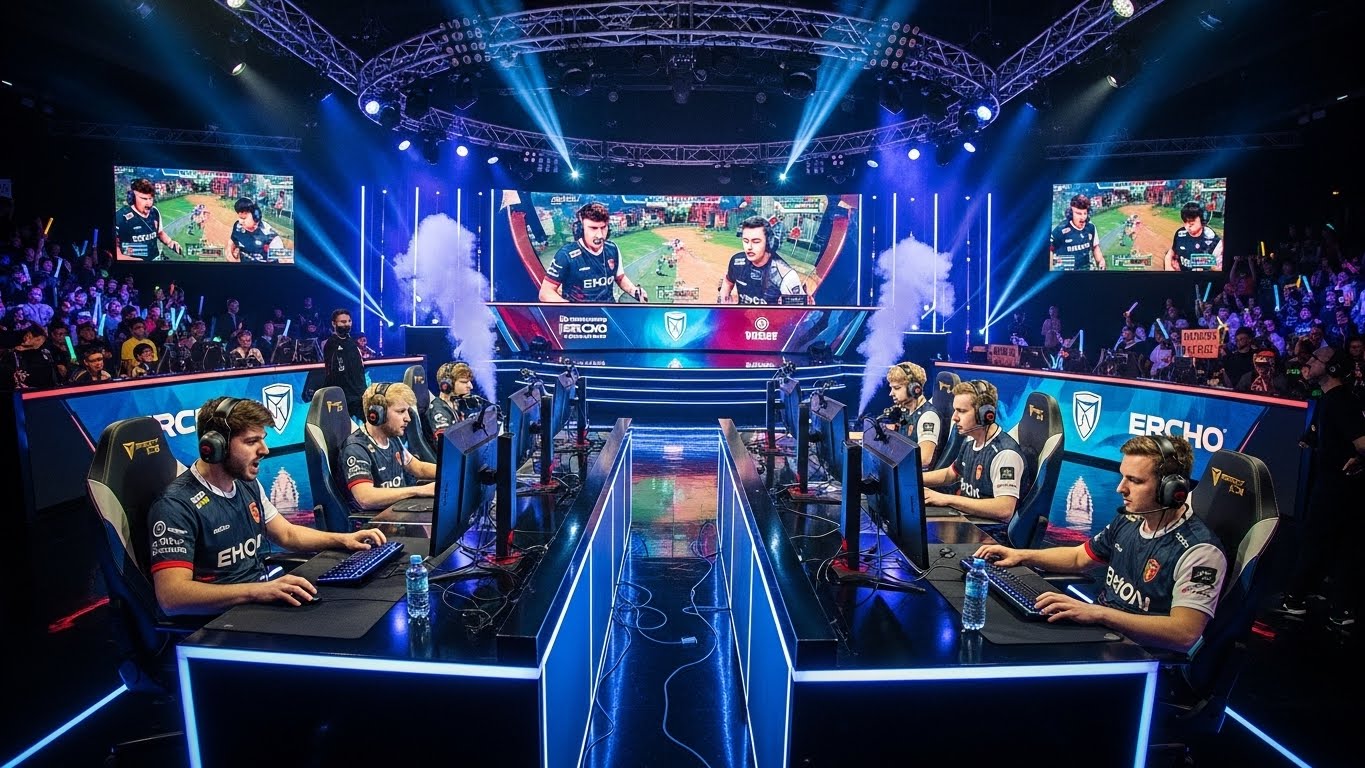
Major tournaments not only draw massive viewership but also contribute to local economies through tourism, infrastructure development, and job creation. The international appeal of esports highlights its ability to unite diverse communities around shared passion and competition.
Esports in Education
Educational institutions are increasingly embracing esports. Schools and universities are creating programs that focus on teamwork, strategy, and leadership, often combining gaming with academic development. These programs help students develop valuable skills and prepare for potential careers in esports or related fields.
Esports education also opens doors to technology-based careers, such as game design, programming, and digital content production. By integrating esports into formal education, institutions recognize the educational and developmental value of competitive gaming.
The Future of Esports
The future of esports is bright and expansive. Advancements in technology, including virtual reality and augmented reality, will transform gameplay and spectator experiences. New games and competitive formats will continue to diversify the industry, attracting broader audiences.
As esports becomes more mainstream, regulation and governance will improve, ensuring fair play, player safety, and inclusivity. The professionalization of esports will create long-term stability for players and organizations, making it a sustainable and respected industry for years to come.
Conclusion: Esports as a Catalyst for Change
Esports has transcended the boundaries of traditional gaming to become a cultural, social, and economic force. It combines technology, competition, and community to create experiences that are exciting, inclusive, and impactful. Players develop mental acuity, emotional resilience, and teamwork skills, while fans enjoy entertainment and connection on a global scale.
From its humble beginnings in arcades to massive international tournaments, esports has proven that digital competition can be as thrilling and meaningful as any traditional sport. As it continues to grow and evolve, esports represents a new era of entertainment, innovation, and human achievement, redefining what it means to compete in the modern world.