Digital Champions: How Esports is Redefining Competition in the Modern Era
Esports, once considered a niche pastime for hobbyists, has rapidly grown into a global competitive phenomenon. Today, it rivals traditional sports in viewership, professionalism, and cultural impact. From casual gaming sessions to professional leagues, esports offers excitement, skill, and community engagement that transcends geographical boundaries. This blog explores the evolution of esports, its societal and cultural significance, the structure of professional competition, and the future potential of this dynamic industry.
The Origins of Esports
Esports traces its roots to the earliest days of video gaming. In the 1970s and 1980s, arcade competitions allowed players to compete for high scores, attracting spectators and sparking rivalries. Games such as Space Invaders and Pac-Man were not only entertainment but also arenas for competition.
The rise of home consoles and personal computers expanded competitive gaming to living rooms worldwide. Multiplayer games like Street Fighter and StarCraft introduced structured gameplay and tournaments, laying the groundwork for the esports ecosystem. These early competitions highlighted the potential for gaming to evolve into a professional sport.
What Defines Modern Esports
Esports, short for electronic sports, is organized competitive gaming that requires skill, strategy, and teamwork. Unlike casual gaming, esports involves structured rules, rankings, and tournaments. Players often specialize in specific roles or characters, dedicating countless hours to practice and strategic study.
Genres of esports vary widely, including first-person shooters, multiplayer online battle arenas, real-time strategy games, and sports simulations. Despite differences in gameplay, all esports emphasize precision, decision-making, and adaptability under competitive pressure.
The Professionalization of Competitive Gaming
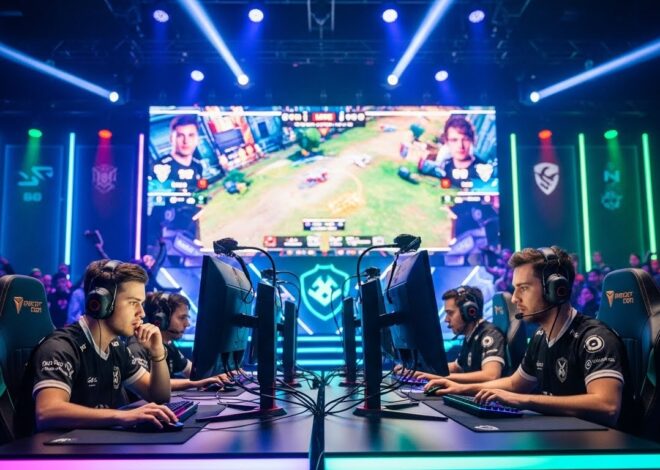
One of the hallmarks of modern esports is its professionalization. Professional players operate under structured contracts, receive salaries, and train in rigorous schedules similar to traditional athletes. Teams employ coaches, analysts, and managers to maximize performance and strategy.
Training often includes reviewing gameplay footage, practicing individual mechanics, and developing team coordination. This disciplined approach elevates esports from casual play to a serious career path, where success is determined by both skill and strategic preparation.
Esports as a Global Entertainment Industry
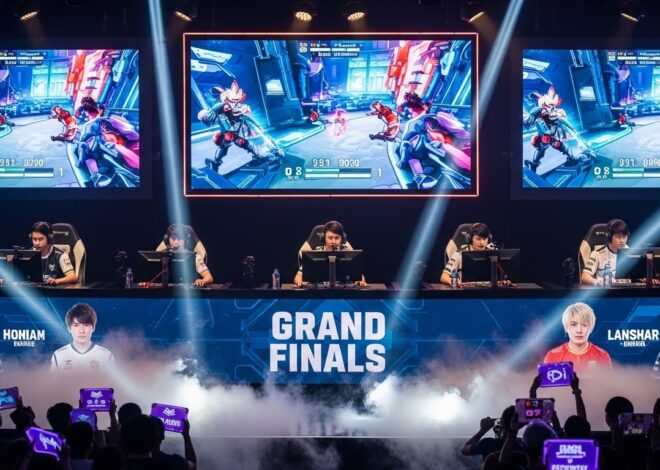
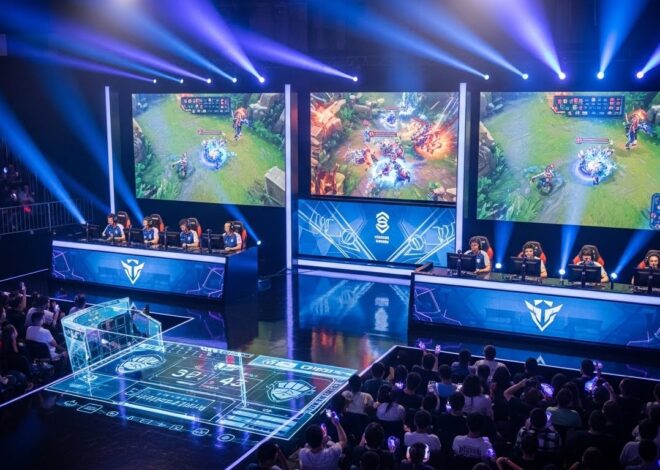
Esports has grown into a global entertainment powerhouse, attracting millions of viewers online and in live arenas. Major tournaments, such as the League of Legends World Championship, The International for Dota 2, and the Fortnite World Cup, draw vast audiences and significant media attention.
The international nature of esports allows players from diverse countries and backgrounds to compete at the highest level. Global tournaments showcase a variety of strategies and playstyles, offering fans an engaging and unpredictable viewing experience.
Streaming Platforms and Audience Engagement
Streaming platforms have been pivotal in esports’ rise. They provide live broadcasts, commentary, and analysis, creating a dynamic viewing experience. Fans can interact in real-time, sharing reactions, strategies, and support for their favorite players and teams.
Beyond professional tournaments, many players stream practice sessions and casual gameplay. This transparency strengthens fan engagement, fosters community, and builds personal connections between players and audiences.
Skill and Strategy in Esports
Esports requires a combination of physical coordination and mental acuity. Players rely on reflexes, precise hand-eye coordination, and rapid decision-making while processing vast amounts of information. Strategy, resource management, and tactical foresight are essential for consistent success.
Mental fortitude is equally important. Players must maintain focus, manage stress, and adapt to changing circumstances during high-stakes matches. The discipline required in esports underscores the similarity between competitive gaming and traditional sports in terms of training and performance.
Team Dynamics and Communication
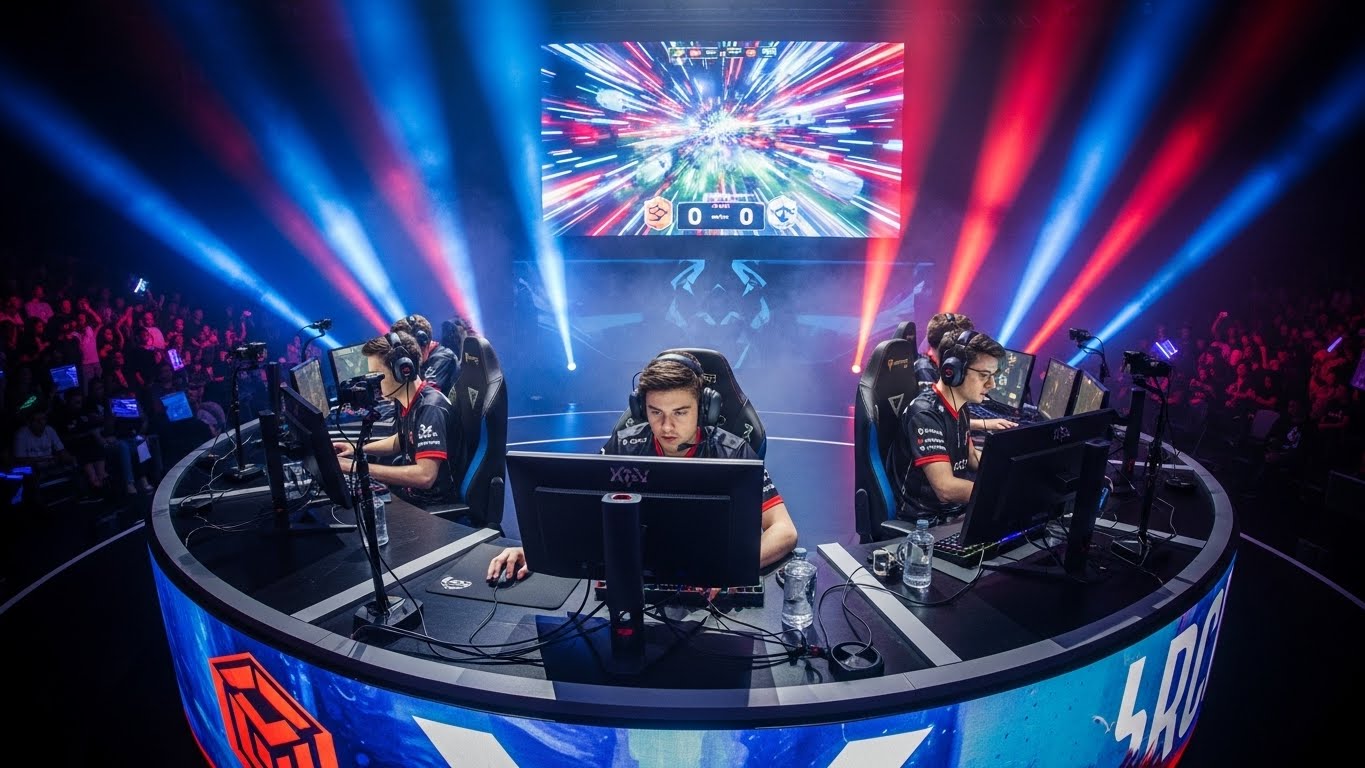
Many esports games are team-oriented, making communication and collaboration critical. Teams must coordinate strategies, respond to opponents’ moves, and execute plays effectively. Cohesion and trust often determine match outcomes more than individual skill.
Through teamwork, players develop leadership, problem-solving, and interpersonal skills. The collaborative nature of esports fosters a sense of responsibility and adaptability, qualities that extend beyond gaming into education and professional environments.
Career Opportunities Beyond Playing
While professional players are the most visible figures in esports, the industry offers a range of career paths. Coaches, analysts, commentators, referees, and event organizers play crucial roles. Behind-the-scenes professionals manage production, marketing, branding, and technical operations.
Educational programs in esports management, digital media, and game design prepare individuals for these careers. The industry’s diversity ensures opportunities for people with various skills and interests, making esports a multi-faceted ecosystem.
Youth Engagement and Education
Esports resonates strongly with younger generations. Many schools and universities now offer esports programs and scholarships, recognizing the educational benefits of competitive gaming. Participation encourages teamwork, time management, and goal-setting.
Esports clubs foster problem-solving, communication, and critical thinking skills. Students also learn perseverance, resilience, and the importance of practice. When integrated responsibly, esports supports personal growth and skill development in a structured environment.
Health and Wellness in Competitive Gaming
The professionalization of esports has led to greater attention on player health. Long practice sessions and repetitive motions can lead to physical strain, eye fatigue, and mental stress. Professional teams now incorporate physical exercise, ergonomic setups, nutrition plans, and mental health support into training regimens.
Maintaining overall well-being helps players sustain performance and prevents burnout. Esports’ focus on health underscores its evolution into a professional and responsible competitive field.
Diversity and Inclusion in Esports
Esports is gradually becoming more inclusive. Historically dominated by specific demographics, the industry is embracing diversity through initiatives promoting equality and respect. Increasing representation of women and underrepresented communities enhances creativity and fosters innovation.
A diverse esports community ensures that talent and dedication, rather than background, determine success. Inclusivity strengthens the ecosystem, making competition richer and more engaging for both players and fans.
Cultural Influence of Esports
Esports has become a cultural phenomenon, influencing fashion, media, and social interaction. Fans engage with esports through fan art, cosplay, digital content creation, and community events. Major tournaments serve as cultural milestones, uniting millions of viewers globally.
Players often become role models, inspiring fans with dedication, skill, and perseverance. Esports culture combines competition, creativity, and entertainment, shaping digital culture and influencing youth identity worldwide.
Technology and Innovation in Esports
Technology underpins every aspect of esports. Advanced hardware, high-speed internet, and performance analytics tools enhance both play and spectator experience. Teams use data-driven strategies to refine gameplay, improve coordination, and anticipate opponents.
As technology advances, esports will benefit from innovations such as virtual reality, augmented reality, and artificial intelligence. These developments promise to create new levels of immersion, interactivity, and strategic complexity.
The Future of Esports
The future of esports is full of potential. New games, regions, and tournament formats continue to expand the competitive landscape. Esports is gaining mainstream recognition, with integration into traditional media, educational programs, and international sporting events.
Sustainable growth, ethical competition, and player well-being will guide the industry forward. With continued innovation and global engagement, esports is poised to remain a defining force in entertainment and competition for decades.
Lessons Learned from Esports
Esports teaches lessons that extend beyond gaming. Players learn discipline, focus, resilience, and teamwork. They experience success, failure, and recovery, developing emotional intelligence and strategic thinking.
Fans and participants alike gain insights into dedication, collaboration, and the pursuit of excellence. Esports demonstrates that digital competition can be meaningful, educational, and inspiring, offering transferable skills for life beyond the screen.
Conclusion
Esports has grown from informal gaming sessions into a professional, global industry that combines competition, entertainment, and culture. It emphasizes skill, strategy, teamwork, and dedication while fostering global communities and career opportunities.
As esports continues to evolve, it will shape the future of entertainment and digital interaction. Beyond games, esports represents a new era of competition, where digital champions inspire millions and redefine what it means to compete in the modern world.