Game On: How Esports is Shaping the Future of Competitive Entertainment
Introduction: From Pixels to Professional Arenas
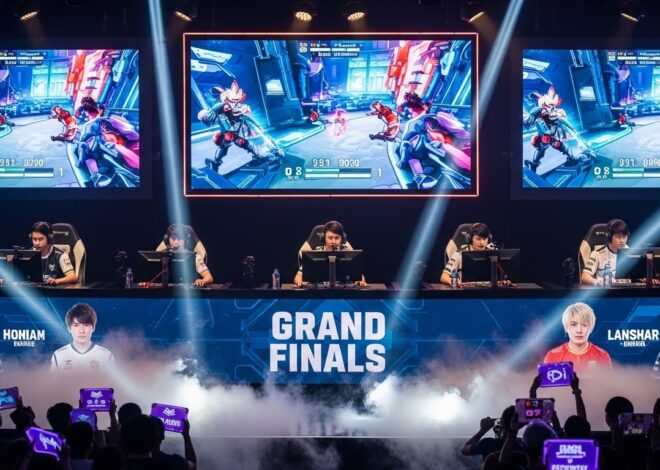
Esports has grown from a hobbyist pastime into a worldwide phenomenon that rivals traditional sports in popularity, revenue, and cultural influence. What began with players competing in local arcades and small tournaments has transformed into massive international events broadcasted to millions of viewers. Today, esports is more than just playing video games; it is a complex ecosystem of professional athletes, teams, tournaments, sponsors, and fans. It represents the convergence of technology, entertainment, and competitive sport in a way that is uniquely digital.
Understanding Esports
Esports refers to organized, competitive video gaming where individuals or teams compete at a professional or semi-professional level. These competitions are structured with rules, rankings, and leagues, much like traditional sports. The range of esports games is diverse, covering genres such as first-person shooters, real-time strategy, multiplayer online battle arenas, sports simulations, and battle royale games. Unlike conventional sports, esports allows players and audiences to connect globally without geographic restrictions, making it a uniquely accessible and scalable form of competition.
The History of Competitive Gaming
The concept of competitive gaming has existed since the earliest days of video games. In the 1980s, arcade competitions and high-score challenges laid the foundation for organized competitions. The 1990s brought local area network tournaments and the first professional gaming events. The 2000s saw the rise of global tournaments, driven by broadband internet and online multiplayer games. By the 2010s, esports exploded as a commercial industry with major sponsorship deals, professional teams, and worldwide tournaments drawing audiences in the millions. Each technological advancement, from faster internet to live streaming, has played a critical role in esports’ rise.
The Professional Player: Digital Athlete in Focus
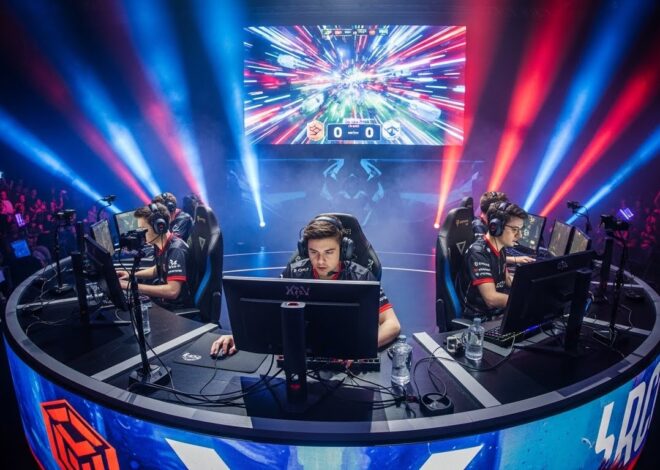
Professional esports players dedicate hours each day to mastering games and maintaining peak performance. Their routines often mirror those of traditional athletes, including rigorous training schedules, strategic study, physical fitness, and mental preparation. Reaction time, decision-making under pressure, adaptability, and teamwork are essential skills that determine success. The rise of esports has also led to the recognition of gaming as a professional career, with players earning significant salaries, prize money, and sponsorships.
Esports Teams and Organizations
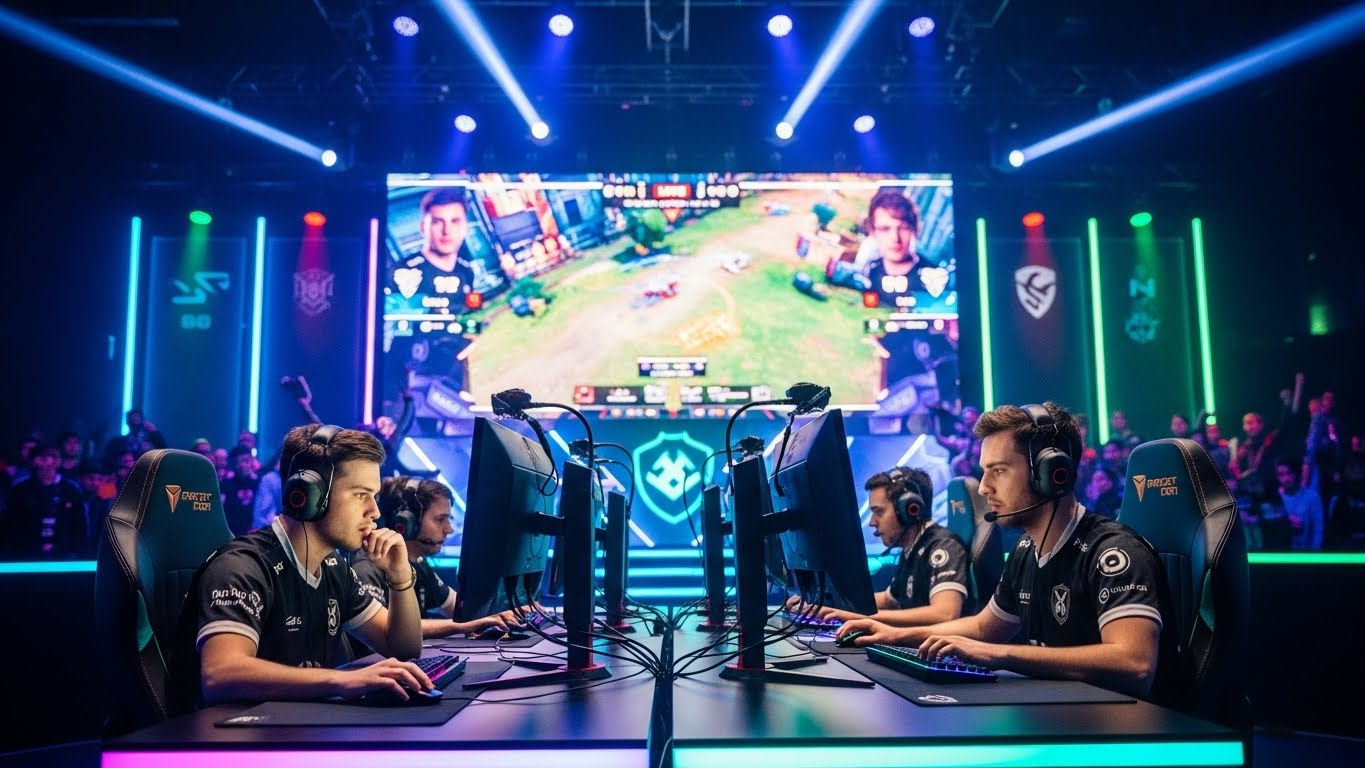
Esports teams function similarly to sports franchises, managing talent, securing sponsorships, and building brand identity. Many organizations compete in multiple games, diversifying their presence and increasing their influence. Teams also focus on building fan engagement through social media, merchandising, and community interaction. Players become more than just competitors; they are influencers and role models, connecting with audiences in ways that traditional sports often cannot.
The Role of Game Developers
Unlike traditional sports, esports relies heavily on the games themselves, which are owned and maintained by developers. Developers influence competitive formats, balance changes, and overall game design, ensuring fair and engaging gameplay. Games that succeed as esports titles combine strategic depth, spectator-friendly visuals, and consistent updates that keep players engaged. This unique relationship between developers, players, and fans is a defining feature of the esports industry.
Streaming and Audience Engagement
Live streaming has revolutionized how esports is consumed. Platforms that allow fans to watch games in real time have created an interactive viewing experience. Fans can engage with commentators, participate in chats, and join communities centered around their favorite teams and games. This level of interactivity fosters a unique connection between players and viewers, creating communities that are loyal, passionate, and global in scale.
Global Influence of Esports
Esports has transcended national boundaries, creating a truly global culture. International tournaments bring together players and audiences from diverse regions, promoting cultural exchange and shared experiences. Different regions develop unique playstyles, strategies, and rivalries, which enrich the competitive scene. In many countries, esports has become a symbol of innovation, technological advancement, and youth culture. It has influenced fashion, music, and online social trends, highlighting its role as a cultural force beyond gaming.
Economic Impact and Industry Growth
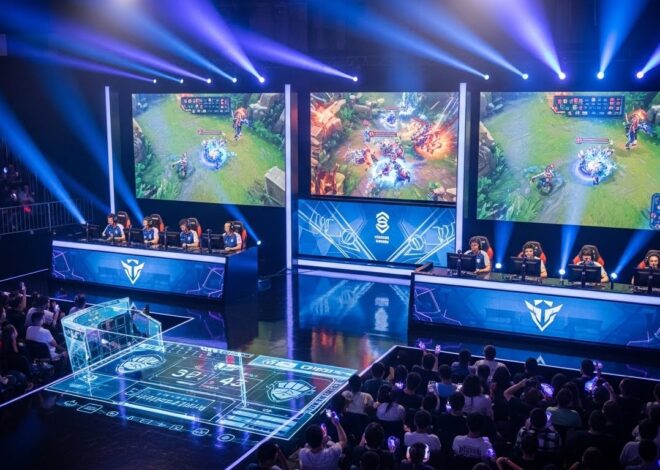
The esports industry generates significant revenue from multiple sources, including sponsorships, advertising, merchandise, ticket sales, and media rights. Major brands in technology, fashion, food, and automotive sectors have invested in esports, recognizing its potential to reach a highly engaged audience. Professional teams, event organizers, and broadcasters contribute to a growing infrastructure that includes training facilities, production studios, and large-scale arenas. The financial ecosystem demonstrates the commercial viability and long-term sustainability of esports as a global industry.
Education and Academic Integration
Esports has found a place in educational institutions, with schools and universities offering esports programs, scholarships, and competitive teams. These programs teach valuable skills such as teamwork, communication, leadership, and strategic thinking, while also preparing students for careers in technology, content creation, and professional gaming. Academic involvement legitimizes esports as a structured discipline and provides young players with pathways to success in the industry.
Challenges Facing the Industry
Despite its growth, esports faces several challenges. Player burnout, inconsistent regulations, and mental health concerns are significant issues. The rapid pace of game popularity can lead to career instability, and emerging players often face pressure to perform under intense scrutiny. Additionally, inclusivity and fair play remain ongoing discussions, with organizations working to maintain healthy, safe, and competitive environments. Addressing these challenges is essential for the continued growth and legitimacy of esports.
Health and Well-being in Esports
The physical and mental demands of professional gaming are substantial. Long hours of practice can lead to repetitive strain injuries, fatigue, and stress. Forward-thinking teams now emphasize physical exercise, nutrition, and psychological support as part of their training programs. The focus on health and wellness reflects a broader understanding that peak performance depends on the holistic well-being of players, not just their gaming skills.
Technological Innovations and the Future
Esports continues to evolve alongside technology. Virtual reality, augmented reality, and artificial intelligence have the potential to reshape both gameplay and spectating experiences. Advanced analytics offer deeper insights into strategy and performance, while new tournament formats make esports more accessible to global audiences. As technology progresses, esports will continue to redefine competition and entertainment in the digital era.
Integration with Mainstream Sports and Media
Esports is increasingly being recognized alongside traditional sports. Established sports organizations, professional athletes, and media outlets are entering the esports space, creating cross-industry collaboration. This integration challenges old stereotypes about gaming, highlighting the dedication, discipline, and skill involved. Esports is steadily becoming an integral part of mainstream culture, bridging the gap between digital and traditional forms of entertainment.
The Cultural Impact of Esports
Beyond competition, esports has become a cultural phenomenon. It shapes online communities, influences youth culture, and inspires new forms of creative expression. Cosplay, fan art, and digital content creation thrive alongside competitive gaming. Esports also promotes storytelling through player rivalries, team histories, and memorable tournaments, creating narratives that engage audiences emotionally and socially.
Conclusion: Esports as a Cultural and Competitive Force
Esports represents a new era of competition, blending technology, strategy, and human skill. It has transformed from casual gaming into a professional, global industry that shapes culture, economy, and entertainment. From professional players to dedicated fans, esports fosters communities, inspires innovation, and challenges traditional perceptions of sports. As the industry continues to grow, esports will remain at the forefront of digital entertainment, proving that virtual competition can have a real-world impact.