
Beyond the Arena: The Rising Influence of Esports in Modern Culture
Introduction
Esports—competitive video gaming—has evolved from niche pastime to mainstream spectacle within just a few decades. What once began as casual multiplayer matches among friends now draws millions of spectators, professional organizations, and significant financial investment. In this article, we journey through the history, culture, infrastructure, challenges, and future potential of esports, illustrating why this digital battleground has become a powerhouse in contemporary entertainment.
A Brief History of Esports
The Humble Beginnings
The roots of esports can be traced to the 1970s and 1980s, when arcade gamers competed for high scores or local bragging rights. Early milestones include competitive tournaments in games such as “Space Invaders,” “Pong,” and “Pac-Man.” These were informal, community-driven events, often dependent on local arcades or university gaming clubs.
In the 1990s, with the rise of home PCs and consoles, networked games such as “Quake,” “StarCraft,” and “Warcraft” laid the groundwork for organized competition on a larger scale. LAN parties—gatherings where players connected computers to play local multiplayer matches—became the social nucleus of early competitive gaming culture.
The Internet Era and Professionalization
As broadband internet became more accessible in the 2000s, online matches gained prominence. Games such as “Counter-Strike,” “Dota,” and “League of Legends” brought broader audiences and more complex competitive structures. Simultaneously, streaming platforms emerged, enabling fans to watch players live across the globe.
Professional organizations began to form, offering salaries, contracts, training facilities, and team branding. Sponsorships proceeded to follow. Suddenly, competitive gaming was no longer just a hobby—it became a business.
Esports Ecosystem: Stakeholders and Structures
Players and Teams
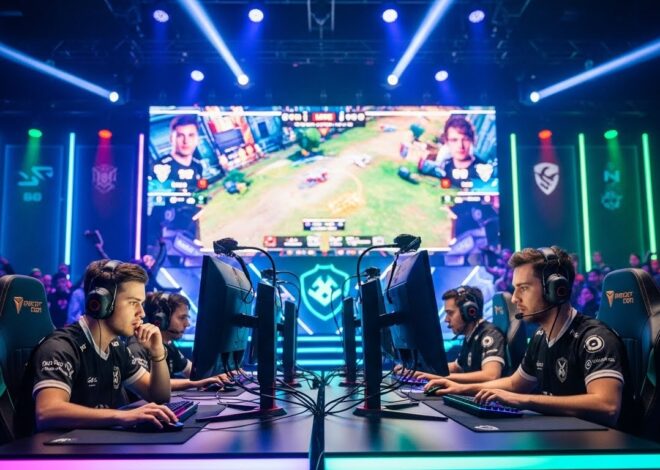
At the core are the players—talented individuals who train rigorously, often for many hours each day, to compete at peak levels. These players are typically grouped into teams, where coaching, strategizing, and team synergy are essential.
Teams operate similarly to traditional sports franchises. They recruit promising talent, manage contracts, facilitate training infrastructure, and cultivate fan engagement. The roster turnover can be frequent, with performance, synergy, and marketability all playing roles in management decisions.
Tournament Organizers and Leagues
Tournament organizers craft competitive circuits and large events that attract global attention. These may be franchise leagues, open tournaments, or invitational events. They manage logistics, broadcasting, prize pools, and viewer experience.
Leagues—such as those in “League of Legends,” “Overwatch,” or “Valorant”—operate seasonally, with regular matches, playoffs, and championship stages. They require long-term planning and coordination with teams, broadcasters, and sponsors.
Sponsors, Brands, and Investors
Esports presents a unique branding and marketing opportunity. Companies sponsor teams, tournaments, or individual players to reach young, tech-savvy audiences. Sponsors may span gaming peripherals, energy drinks, software, fashion, telecommunications, and more.
Investors and venture capital also participate, funding teams, leagues, streaming platforms, or infrastructure. Their involvement indicates belief in growing monetization potential within esports.
Streaming Platforms and Media
Platforms dedicated to broadcasting and content creation are central to esports. They deliver live matches, highlight reels, player interviews, and behind-the-scenes content. Because digital delivery bypasses traditional TV constraints, streams are often more interactive—chat, tipping, and integration of real-time data.
Media companies and esports journalism outlets amplify stories, analysis, and commentary about teams, players, strategies, and industry trends. Quality coverage builds fan engagement and elevates narrative arcs in competitive seasons.
Fans and Community
No ecosystem is complete without its audience. Esports fans engage in live streams, in-person events, social media forums, and community content creation—fan art, memes, commentary, and cosplays. This vibrant community helps sustain ongoing interest and cultural relevance.
Key Game Genres and Titles
Multiplayer Online Battle Arena (MOBA)
Games like “Dota” and “League of Legends” pit two teams against each other, each attempting to destroy the opponent’s base. Depth arises from hero selection, in-game item strategies, and team coordination. The balance between macro-level objectives and micro-skills makes MOBAs globally popular.
First-Person Shooters (FPS)
FPS titles such as “Counter-Strike,” “Valorant,” and “Rainbow Six Siege” emphasize precision aiming, map control, and teamwork. High reaction speed, spatial awareness, and communication are critical.
Battle Royale
Games like “Fortnite,” “Apex Legends,” and “PUBG” drop many players into a map where only one (or one team) survives. These titles combine shooting mechanics, positional tactics, and decision-making under pressure.
Real-Time Strategy (RTS)
In classic RTS games like “StarCraft,” players manage resources, build units, and deploy strategies in real time. The genre is technically demanding and rewards multitasking and deep strategic thinking.
Sports Simulations and Fighting Games
Sim Titles (e.g., “FIFA,” “NBA2K”) allow esports competition in sports. Fighting games (e.g., “Street Fighter,” “Super Smash Bros.”) focus on close-range battle mechanics, combos, and matchup understanding. These genres foster different competitive cultures and audience demographics.
Training, Strategy, and Lifestyle
Rigorous Training Regimens
Top-tier esports athletes often train for many hours daily. This includes not only practicing gameplay but also reviewing replays, strategizing with coaches, mental skills, and physical conditioning to prevent injury (e.g., wrist strain, posture issues).
Some organizations adopt boot camps—periods of focused training, often in shared living quarters, to intensively refine teamwork and communication.
Coaching, Analysis, and Support Staff
Behind every successful team is coaching and analysis. Coaches guide strategy, in-game decision-making, communication protocols, and conflict management within the roster. Analysts review opponent gameplay, identify patterns, and suggest tactical adaptations.
Support staff such as mental performance coaches, nutritionists, physiotherapists, and psychologists increasingly find roles in elite organizations. Their involvement recognizes that performance is holistic—not just technical skill but mental resilience and physical health.
Meta, Patch Cycles, and Adaptability
Many esports titles evolve through patches—updates introducing balance changes, new content, or rule shifts. Teams must adapt quickly to new “meta” states—optimal strategies shaped by balance changes.
Flexibility is critical: champions once dominant may fall out of favor; new tactics may emerge. Successful teams not only master the current meta but anticipate shifts and innovate.
Communication and Team Synergy
Information sharing and decision-making speed are paramount in team-based esports. Clear, calm communication under pressure must be practiced. Synergy and mutual trust often differentiate contenders from pretenders. When every second counts, miscoordination can cost rounds or matches.
Economics and Monetization
Revenue Streams for Teams and Players
Primary revenue sources include:
- Sponsorships and endorsements
- Merchandise sales
- Media rights and broadcasting deals
- Prize money from tournaments
- Revenue sharing from leagues or organizers
Players may also earn from streaming and content creation—yt videos, subscriptions, sponsorships. The blend of competitive earnings and content-driven income diversifies financial stability.
Prize Pools and Incentives
High-profile tournaments can feature multi‑million dollar prizes. Massive prize pools incentivize performance and attention. The largest events often receive global viewership, further elevating prestige and exposure.
Franchising and League Structures
Some esports franchises mirror traditional sports—teams buy into leagues, share revenues, and adhere to governance. This reduces volatility for teams and helps stabilize the ecosystem. Participation may require meeting criteria in infrastructure, operations, and community presence.
Challenges in Sustainable Monetization
Despite visible growth, many teams struggle with profitability. Some costs include:
- Travel and accommodation for global tournaments
- Facilities, training centers, and equipment
- Salaries, staff, and player welfare
- Marketing and content production
If revenue from sponsorships, merchandise, or media rights lags, teams may operate at loss or require external funding. The balance between investment and sustainable returns remains a key tension.
Spectatorship and Engagement
Audience Demographics
Esports attracts primarily younger audiences—millennials and Generation Z. Many are digital natives accustomed to streaming, interactive content, and social engagement. This demographic is highly valued by advertisers seeking targeted reach.
Spectator Experience
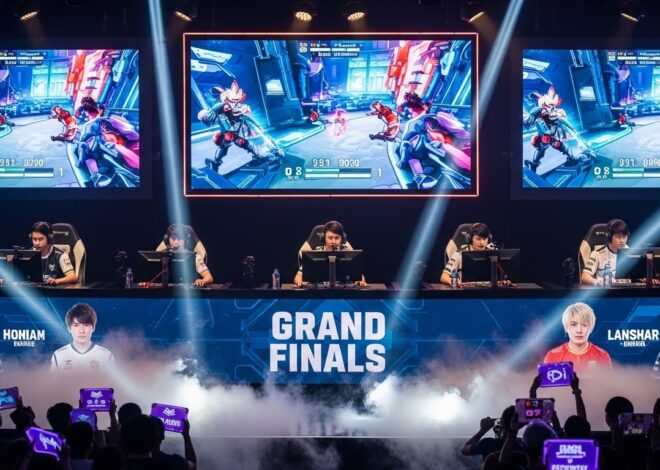
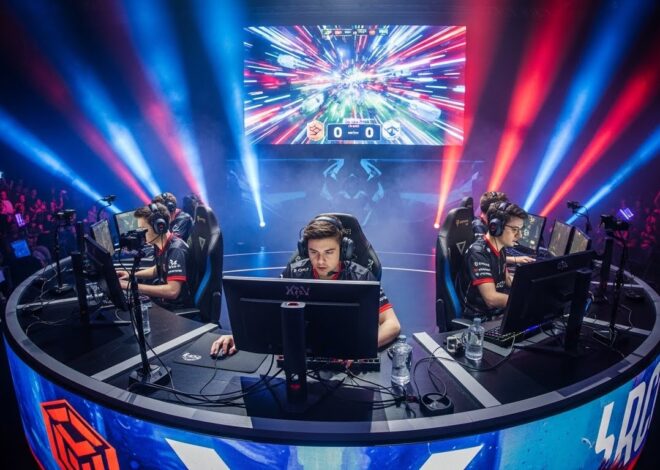
To engage audiences, esports events use professional production: multiple camera angles, in-game overlays, real-time statistics, commentary, replays, and interactive viewer elements. Organizers craft storylines—rivalries, Cinderella teams, player arcs—to heighten drama.
Crowded stadiums, live fan interaction, cosplay, and culture festivals surrounding events add a real‑world dimension. Audience excitement is further fueled by community predictions, fantasy leagues, and insider discussions.
Fan Engagement and Community Content
Dedicated fans create content: highlight reels, memes, fan art, tutorials, and analysis. Social platforms fuel conversation and virality. Teams and players also invest directly: streaming themselves, holding Q&A sessions, community events, and giveaways to build loyalty.
Global Reach and Regional Variations
Asia-Pacific: The Powerhouse
Asia—especially South Korea, China, and Southeast Asia—has long been at the forefront of esports. Massive player bases, professional leagues, and government support characterize these regions.
In South Korea, esports are integrated into popular culture; players can achieve celebrity status. China hosts mega-tournaments and invests heavily in infrastructure. Southeast Asian countries increasingly nurture domestic scenes, sometimes partnering with global leagues.
North America and Europe
In North America and Europe, franchise leagues are becoming more common. Organizations abstractly align with traditional sports models, fostering regional loyalty and brand development.
Streaming culture is especially strong in these territories. English-language commentary and regionalized leagues attract diverse audiences.
Emerging Regions
Regions like Latin America, the Middle East, Africa, and South Asia are showing rapid growth. Local tournaments, grassroots organizations, and government interest are rising. While infrastructure and funding challenges exist, growth potential is immense. Talent and creativity from these regions add variety to the global scene.
Challenges and Criticisms
Player Burnout and Mental Health
High-performance demands can lead to burnout, anxiety, depression, or other mental health issues. The constant pressure to perform, long hours, irregular sleep, and public scrutiny are risk factors. Some organizations are responding by capping training hours, offering counseling, and prioritizing player welfare.
Fairness, Cheating, and Integrity
Competitive integrity is essential. Developers and organizers must guard against cheating, account hacking, match-fixing, doping (e.g., stimulants), or gambling scandals. Maintaining trust among players, teams, and fans is critical.
Monetization Inequities and Revenue Gaps
Smaller or mid‑tier teams often struggle financially, unable to secure major sponsorship deals. The distribution of prize money and revenue shares can favor top-tier organizations, leaving lower-tier ones financially precarious. This disparity raises questions about long-term sustainability and accessibility.
Inclusion, Diversity, and Representation
Esports has often been criticized for its lack of diversity (gender, race, socioeconomic status). Barriers to entry—access to hardware, time, mentorship—disfavor underrepresented groups. Efforts are underway to foster inclusivity, support female or LGBTQ+ players, and combat toxicity in online environments.
Intellectual Property and Permissions
Organizers must negotiate licensing agreements with game developers. Developers retain control over broadcast rights, monetization, tournament rules, and modifications. Conflicts may arise if developer priorities diverge from those of leagues or teams.
The Future of Esports
Technological Innovations
The integration of augmented reality, virtual reality, cloud gaming, and 5G connectivity may reshape how fans experience matches. Imagine spectators wearing AR glasses that overlay stats, heatmaps, or 3D replays as they watch. Cloud infrastructure may allow streaming of high-fidelity competition across devices with minimal latency.
Artificial intelligence may assist in commentary, analytics, real-time strategies, and broadcasting enhancements. Automated match-casting or instant analytics could further personalize viewer experience.
Broader Media Convergence
Esports may increasingly blend with traditional sports and entertainment. We may see crossover events with athletes, TV shows centered on competitive gaming, film adaptations, or musical performances at halftime during finals.
Media giants may invest more in esports divisions or acquisitions. As consumer attention shifts, cross-platform integration will be key to keeping audiences engaged across streaming, television, and social platforms.
Academic and Institutional Recognition
Universities already offer scholarships for esports athletes, and some high schools host competitive teams. Over time, esports could integrate into mainstream athletic departments, offer academic courses around gaming, design, and performance, and attract research funding in areas like human–computer interaction, psychology, and sports science.
Sustainable Ecosystem Development
A maturing esports industry will balance growth with stability—fostering second- and third-tier leagues, supporting grassroots development, and ensuring equitable revenue models. Stakeholders may collaborate on shared infrastructure, standardized rules, and shared audiences.
Expanding Realm of Titles
While today’s big esports titles may dominate, new genres and games will emerge. Titles that foster spectator appeal, balanced gameplay, and developer support may rise. Cross-platform, mobile-first, or hybrid gaming modes may draw new player bases.
Why Esports Matters Today
A Generation’s Entertainment Medium
For many youth, gaming is the default form of entertainment—social, interactive, and immersive. Esports channels that inclination into community and spectacle, giving gaming cultural legitimacy.
Economic and Job Creation
Beyond players and teams, the industry supports jobs in event production, broadcasting, coaching, analytics, marketing, game development, content creation, infrastructure, and hardware. The ripple effect spans technology, media, tourism, and more.
Innovation Driver
Esports encourages improvement in networking, streaming, compression, latency optimization, user interfaces, and spectator tools. Lessons learned in the realm of real-time interactive content can influence broader digital media and entertainment.
Social and Cultural Impact
Esports communities cross national, linguistic, and social boundaries. They foster collaboration, competition, and passion in ways that traditional media may not. Stories of underdog teams, personal perseverance, and global competition resonate deeply.
Conclusion
From its humble beginnings in arcades to today’s global spectacles, esports has undergone a remarkable transformation. It’s no longer just a pastime—it’s a sophisticated ecosystem involving players, teams, leagues, media, sponsors, and fans. Its influence spans entertainment, technology, economy, and culture.
Yet challenges remain. Ensuring mental health support, fostering inclusion, balancing monetization, and maintaining competitive integrity are all vital for future stability. As technology evolves and global access expands, esports is poised not just to endure, but to lead.
The arena may be digital, but its impact is real. Whether you’re a fan, aspiring player, analyst, investor, or skeptic, esports is a force reshaping how we play, watch, and connect in the digital age.