Esports: The New Frontier of Digital Competition and Entertainment
Esports, short for electronic sports, is one of the most dynamic and rapidly growing sectors of the entertainment industry. What started as a niche hobby for competitive gamers has exploded into a global phenomenon, attracting millions of viewers, professional athletes, and multi-million-dollar investments. As we delve into the world of esports, it’s clear that this is not just about playing video games; it’s a full-fledged industry with its own set of rules, stars, and exciting future ahead. In this post, we’ll explore what esports is, its rise to prominence, the ecosystem that supports it, and the future of competitive gaming.
Understanding Esports: More Than Just Gaming
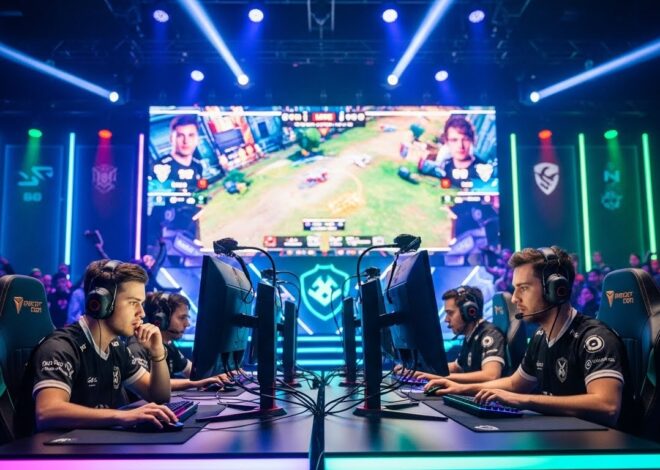
At its core, esports refers to organized multiplayer video game competitions. Unlike casual gaming, which is often a solitary or recreational activity, esports is about structured competition at the highest levels. Professional players and teams compete in various video games such as League of Legends, Dota 2, Counter-Strike: Global Offensive, Fortnite, and many others. These games are not just about playing for fun; they require skill, strategy, teamwork, and quick decision-making, much like traditional sports.
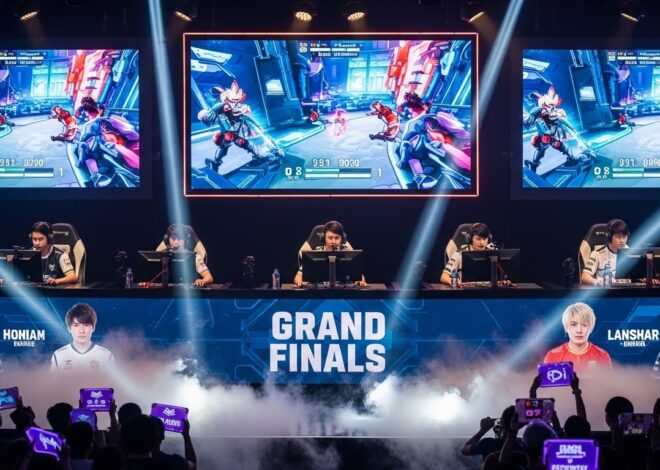
Esports competitions are organized in a variety of formats, including tournaments, leagues, and seasonal competitions. The biggest events can draw in millions of viewers and have prize pools that run into the tens of millions of dollars. Esports is also a spectator sport, with fans tuning in to watch their favorite teams and players compete in high-stakes, fast-paced games. This is why platforms like Twitch and YouTube Gaming have become the digital arenas where these events are broadcast to audiences worldwide.
The Rise of Esports: From Niche to Global Phenomenon
The growth of esports has been remarkable, with the industry now estimated to be worth billions of dollars. The early days of esports were limited to small-scale competitions and LAN parties (local area network events) where gamers gathered to compete in person. Over time, the availability of high-speed internet and streaming platforms allowed esports to expand far beyond its physical limits, creating a global digital stage.
Several factors have contributed to the meteoric rise of esports:
- Access to Streaming Platforms: One of the main drivers of esports’ popularity has been the rise of platforms like Twitch, YouTube Gaming, and Facebook Gaming. These platforms allow gamers to broadcast their gameplay live, enabling fans from all over the world to watch, interact, and engage with the action in real time. Tournaments and games are streamed live, attracting millions of viewers and creating an interactive community of fans.
- Corporate Investment and Sponsorships: Big-name brands are increasingly getting involved in esports. Companies like Intel, Coca-Cola, and Nike have partnered with esports teams and tournaments, providing financial support that has helped propel the industry. These sponsorships are vital in maintaining large-scale events, supporting teams, and growing the audience for esports as a whole.
- Media Exposure: As esports has grown in popularity, it has received increasing media attention. Major tournaments like The International (Dota 2) and the League of Legends World Championship are now broadcast live on television networks and streaming services, allowing esports to reach a mainstream audience. In fact, some esports events have even surpassed traditional sports in terms of viewership, particularly among younger generations.
- Global Accessibility: Esports transcends borders. Unlike traditional sports, where geographic location can impact fan loyalty and team support, esports allows players from anywhere in the world to compete against each other. This universal appeal has helped grow a global fanbase, uniting people from different cultures and backgrounds under the shared love of competitive gaming.
The Ecosystem Behind Esports: More Than Just Players
While the players are the stars of esports, there’s an entire ecosystem that supports this rapidly growing industry. It takes much more than just gamers to make an esports tournament or league successful. Here are some of the key components of the esports world:
- Professional Teams and Players: Professional esports players dedicate hours each day to mastering their craft. Just like athletes in traditional sports, esports players undergo intense training sessions, analyze gameplay footage, and develop strategies to stay at the top of their game. The best players often sign contracts with teams, which are supported by sponsorships, coaching, and management staff. These players can earn significant salaries from tournament winnings, sponsorship deals, and streaming.
- Coaches and Analysts: Just as traditional sports teams have coaches to develop strategies and enhance team performance, esports teams also employ coaches and analysts. Coaches work closely with players to refine strategies and improve their in-game performance, while analysts review match footage to pinpoint weaknesses and optimize team play. The role of coaches and analysts has become increasingly important as esports becomes more professionalized.
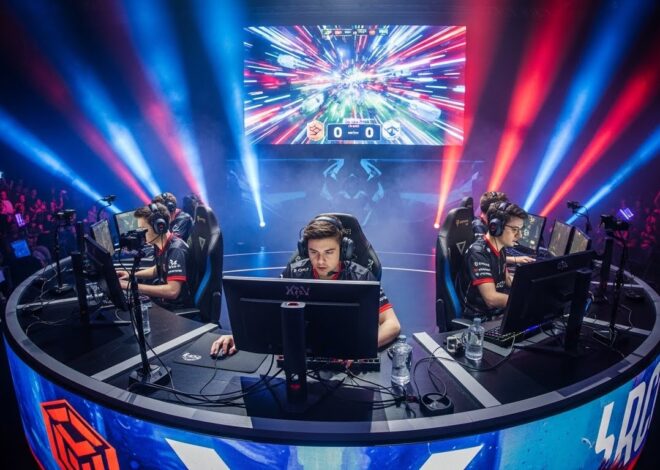
- Event Organizers: Esports events are highly complex and require careful planning and execution. Event organizers are responsible for handling logistics, managing sponsors, coordinating with players, and ensuring that the tournaments run smoothly. These organizers help bring esports events to life, whether they are held in physical arenas or broadcast online to millions of viewers.
- Commentators and Casters: Similar to traditional sports broadcasters, esports commentators (or casters) provide play-by-play analysis and color commentary during live events. These individuals are essential in bringing the games to life for the audience, explaining the action, and enhancing the excitement of the event. Casters are often celebrities in their own right, building large followings and becoming part of the esports culture.
- Streaming and Content Creators: Many esports players and fans also create content, whether it’s gameplay footage, tutorials, or commentary. Streamers and content creators help grow the community by providing consistent and engaging content, which attracts new fans to the esports world. Platforms like Twitch have turned many gamers into household names, giving them the opportunity to build lucrative careers by streaming their gameplay.
Esports Fans: A Thriving Global Community
Esports fans are among the most dedicated and passionate in the world of entertainment. Unlike traditional sports, where fans might support a team based on geography or cultural affinity, esports fans are often drawn to players and teams based on their performance, skill, and style of play. Here are a few ways in which the fan experience in esports stands out:
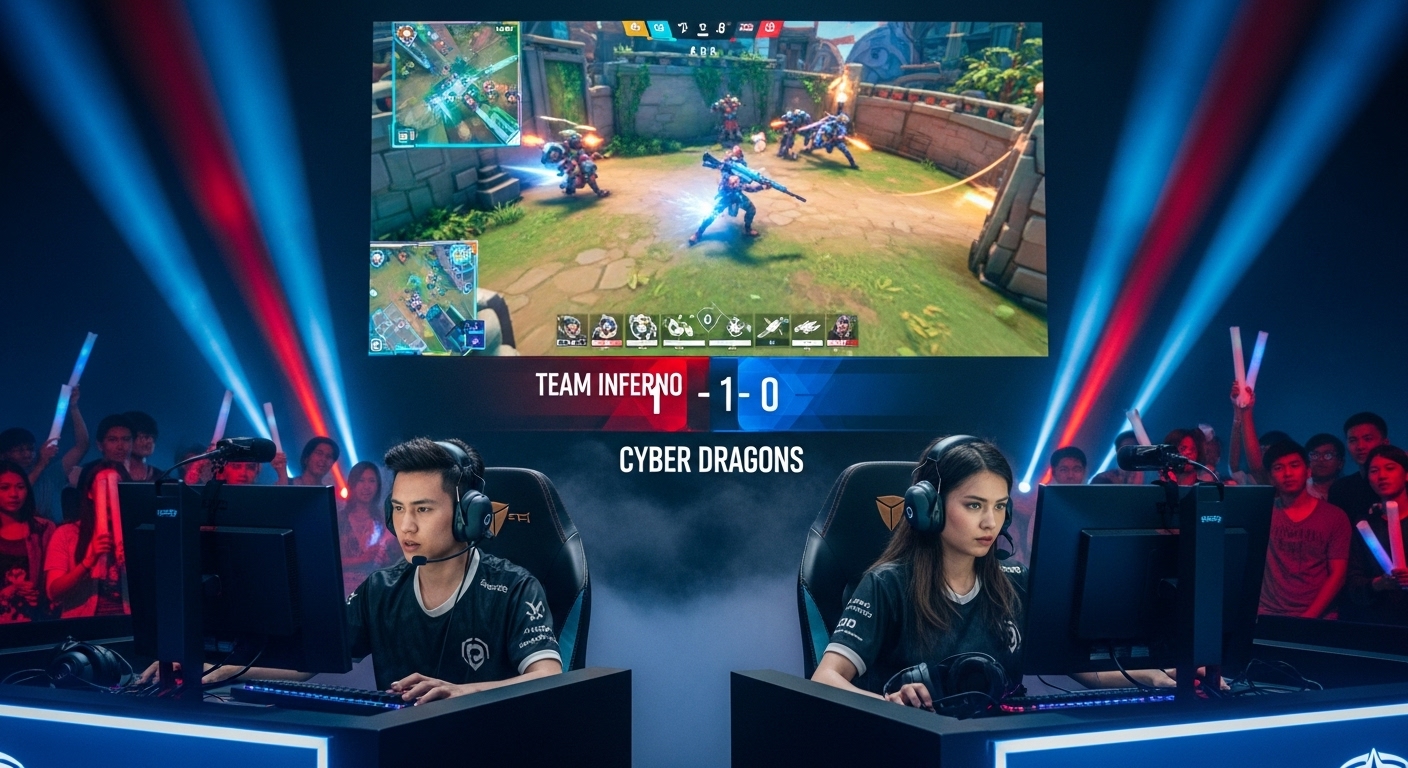
- Interactive and Engaged Viewership: Esports fans are not just passive spectators; they engage actively with the content. Fans often interact with players during live streams, chat with fellow viewers, and even contribute to team strategies through fan forums and social media platforms. The interaction between players and fans is what sets esports apart from traditional sports viewing, creating a sense of community that extends beyond the screen.
- Diverse Fanbase: The global nature of esports means that fans come from diverse backgrounds and cultures. Whether in North America, Europe, Asia, or Latin America, fans share a common interest in the competitive nature of gaming. This has helped foster a truly international fanbase that unites people across borders and languages.
- Esports as a Lifestyle: For many fans, esports is not just a pastime; it’s a lifestyle. Esports fans attend live events, purchase team merchandise, follow their favorite players on social media, and participate in online communities. The passion for esports runs deep, and many fans are lifelong supporters of specific games, teams, or players.
The Future of Esports: What’s Next?
As the esports industry continues to grow, it is poised to have an even larger impact on entertainment, culture, and technology. Here are a few trends to watch for in the future:
- Virtual and Augmented Reality: The rise of virtual reality (VR) and augmented reality (AR) technologies could take esports to the next level. With VR headsets, players may soon compete in fully immersive environments, enhancing the gameplay experience for both participants and spectators. This could revolutionize the way esports events are designed and experienced.
- Esports and Education: More universities and colleges are offering esports programs and scholarships. As esports continues to gain legitimacy, academic institutions are recognizing the value of supporting young talent in this field. Some schools have even established dedicated esports arenas, creating opportunities for students to pursue careers in gaming and esports management.
- Mainstream Recognition: Esports has already earned mainstream recognition, but it could become an even more integral part of the global sports landscape. There’s potential for esports to be included in major international events like the Olympics, further solidifying its status as a legitimate competitive activity.
- Increased Sponsorship and Investment: As esports continues to attract major brands, sponsorships, and investments, the industry’s financial backing will grow, further professionalizing the scene. Higher prize pools, more lucrative team contracts, and expanded media rights deals will help push esports into new territories and make it even more competitive.
- Cross-Platform Play: With many games now offering cross-platform compatibility, players from different gaming systems can compete together. This could lead to more inclusive and expansive tournaments, allowing players from different ecosystems (e.g., PC, Xbox, PlayStation) to join forces or compete against each other.
Conclusion: Esports – A New Era of Digital Competition
Esports has rapidly evolved from a niche activity to a global entertainment industry, attracting millions of fans, top-tier sponsors, and talented players. With its competitive nature, professionalization, and massive global appeal, esports is transforming the way we view sports and entertainment. As technology advances and the industry continues to grow, esports will undoubtedly continue to capture the attention of millions worldwide.
For gamers, fans, and those invested in the future of entertainment, esports represents a new frontier in competitive play. It’s not just about playing games—it’s about creating an entirely new form of competition, engagement, and community that will only continue to grow in the coming years. Whether you’re a player or a spectator, one thing is certain: the world of esports is here to stay.