Esports Revolution: Gaming Beyond Entertainment
Introduction: The Rise of Competitive Gaming
Esports has transformed the way we perceive video games. What started as casual competitions among friends has grown into a global industry with professional players, massive tournaments, and millions of viewers. Today, esports is more than just entertainment—it is a serious career path, a cultural phenomenon, and a symbol of the digital age.
The Growth of Esports
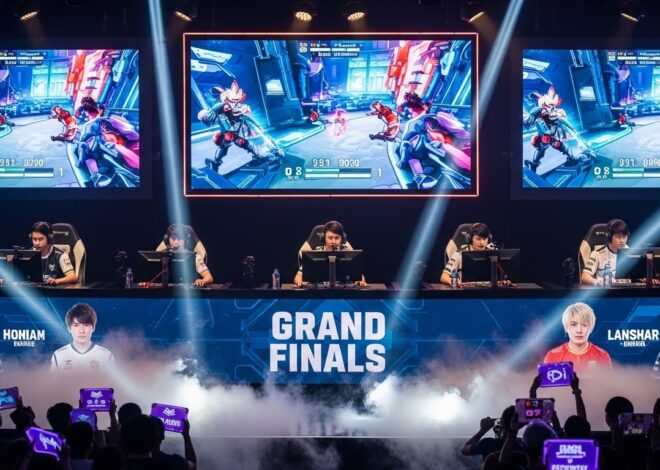
The esports industry has grown at an unprecedented pace. Early tournaments were small and local, but the rise of high-speed internet and streaming platforms has made global competitions possible. Today, major esports events fill stadiums and attract audiences worldwide, with prize pools that rival those of traditional sports. Sponsorships, merchandise, and media deals have turned esports into a multi-billion-dollar industry.
Popular Games and Genres
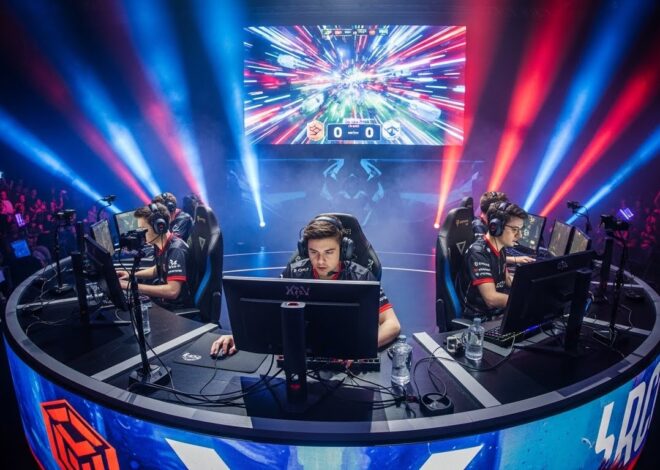
Esports spans a variety of game genres. Multiplayer online battle arena games like League of Legends and Dota 2 dominate international tournaments, emphasizing strategy and teamwork. First-person shooters such as Counter-Strike and Valorant test reflexes and tactical thinking. Other genres, including fighting games, sports simulations, and real-time strategy games, showcase diverse skills and appeal to a broad audience.
The Life of a Professional Gamer
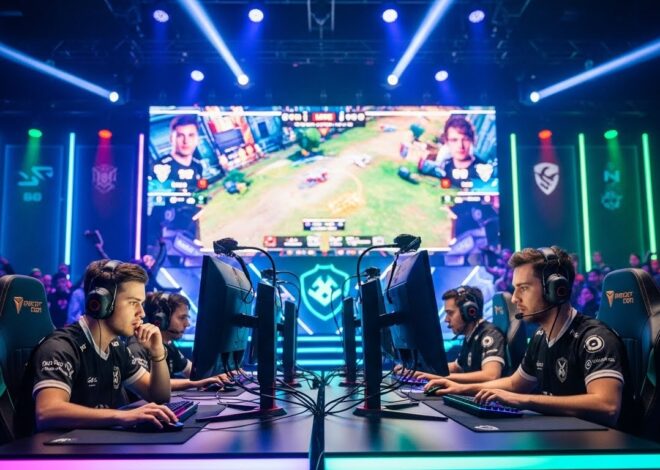
Professional esports players are more than gamers—they are athletes in the digital world. Their daily routines include long hours of practice, strategic planning, and physical conditioning. Mental focus and resilience are crucial, as players face intense pressure during tournaments. Many also engage with fans through streaming and social media, building a personal brand and fostering global communities.
Cultural Impact of Esports
Esports has changed society’s perception of gaming. It has created communities, inspired creativity, and influenced popular culture. Universities now offer scholarships for esports players and programs in game design and management. Competitive gaming encourages skills like teamwork, problem-solving, and strategic thinking, making it a valuable activity beyond entertainment.
Challenges in the Esports Industry
Despite its success, esports faces challenges. Player burnout, toxic behavior in online communities, and maintaining fair competition are ongoing concerns. Regulatory issues and ethical sponsorships are also critical to sustaining industry growth. Addressing these challenges is essential for ensuring esports remains a respected and thriving field.
The Future of Esports
The future of esports is promising. Technological advancements, new gaming formats, and global interest will continue to expand its reach. Innovations such as virtual reality tournaments and enhanced streaming experiences will make esports more immersive. As it continues to grow, esports will redefine what it means to compete and entertain in the digital age.
Conclusion: Beyond the Game
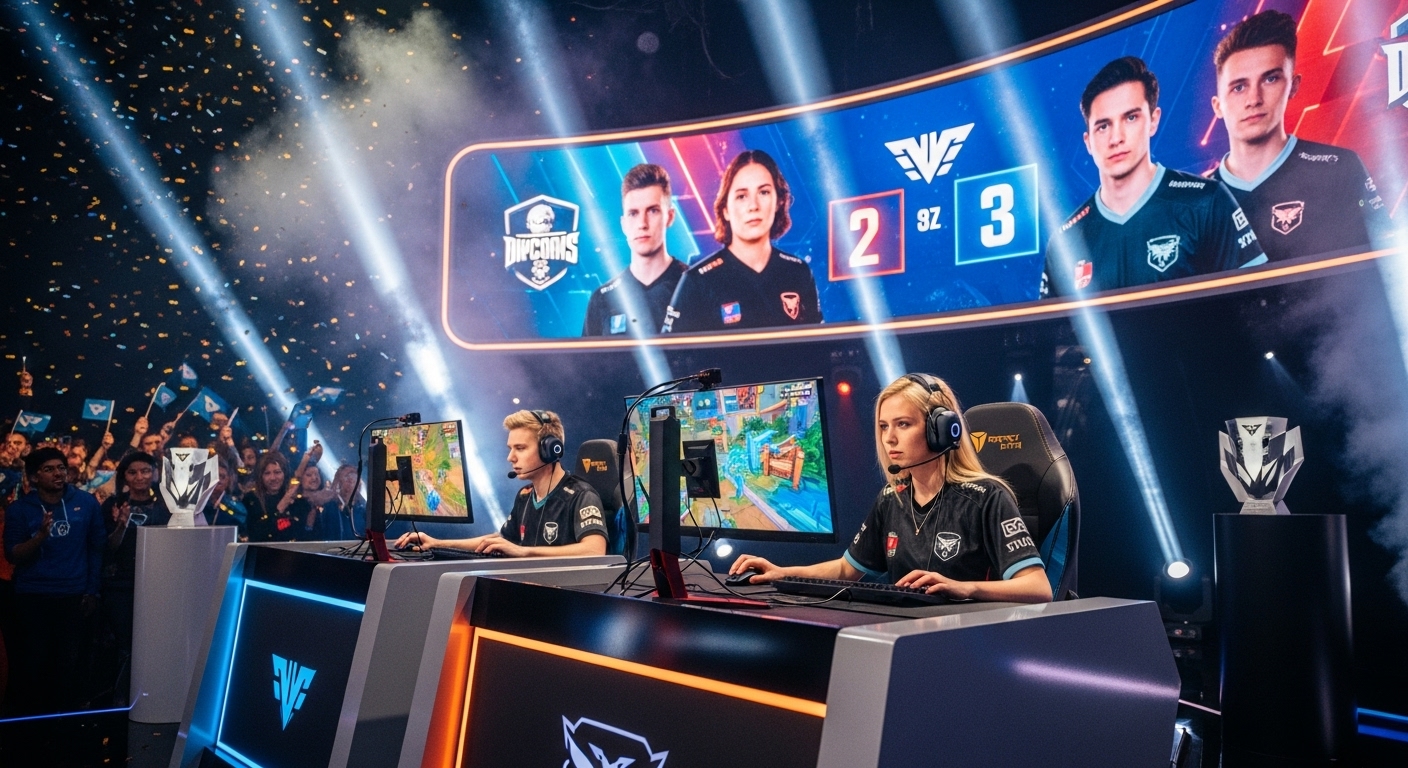
Esports is more than a pastime—it is a global movement that combines skill, strategy, and technology. Its rise has reshaped entertainment, created career opportunities, and inspired communities worldwide. As esports continues to evolve, it will leave a lasting mark on the world of competitive gaming and redefine the future of sports and entertainment.