The Thriving World of Esports: More Than Just a Game
In recent years, the world of competitive gaming has exploded into a global phenomenon. Esports, once a niche hobby for a small community of gamers, has grown into a multi-billion-dollar industry, attracting millions of fans, professional players, and corporate sponsors. From massive tournaments and live-streamed events to college scholarships and mainstream recognition, esports is now a legitimate force in the entertainment world. This post explores the rise of esports, its impact on the gaming community, and why it has become so much more than just a game.
The Meteoric Rise of Esports
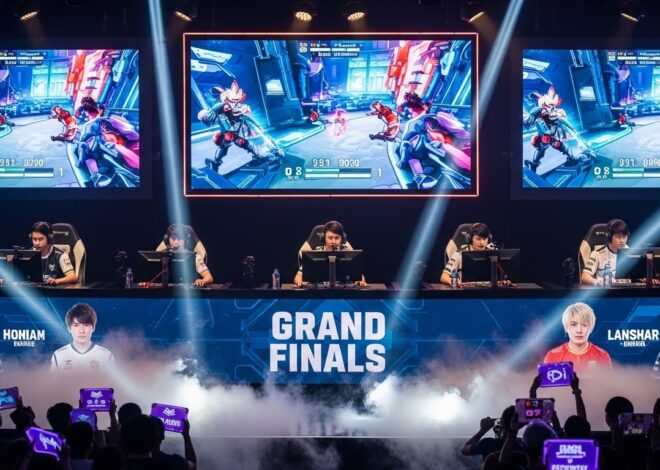
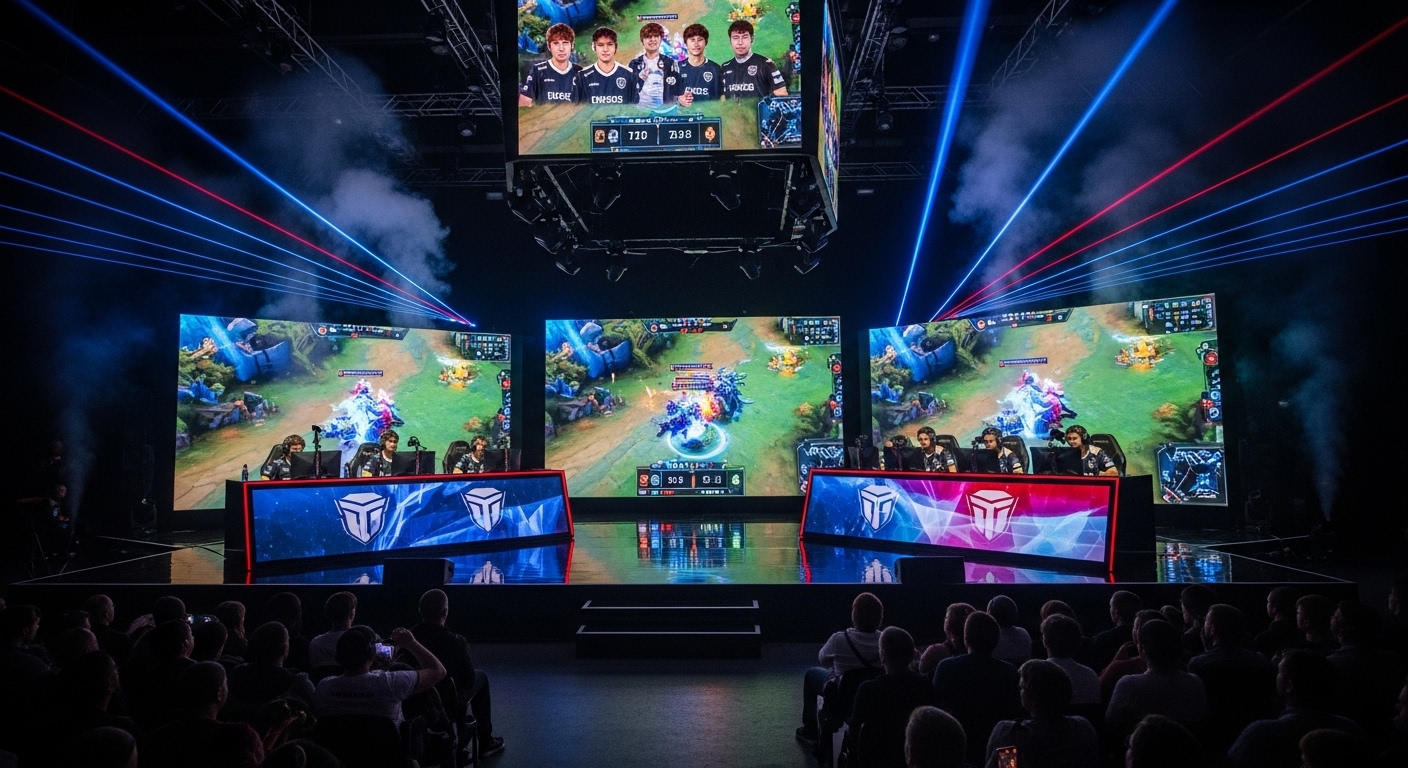
Esports, short for electronic sports, refers to organized multiplayer video game competitions, particularly between professional players, individually or as teams. What began as informal tournaments held in basements and gaming cafes has now evolved into a global industry, with high-profile events attracting millions of viewers and offering prize pools worth millions of dollars.
The growth of esports has been fueled by several factors, including the increasing popularity of online multiplayer games, the rise of live-streaming platforms like Twitch and YouTube, and the expanding accessibility of gaming through consoles and PCs. Games like League of Legends, Dota 2, Fortnite, and Counter-Strike: Global Offensive have all played a significant role in the growth of competitive gaming, while titles such as Overwatch, Rocket League, and Valorant continue to attract new fans and players.
Esports has expanded beyond just the gaming world, drawing in investors, corporate sponsors, and even traditional sports teams. The convergence of gaming and traditional sports is especially evident in the rise of professional esports leagues, with organizations like the NBA’s NBA 2K League and the Overwatch League blurring the lines between esports and traditional sports entertainment.
The Professionalization of Esports
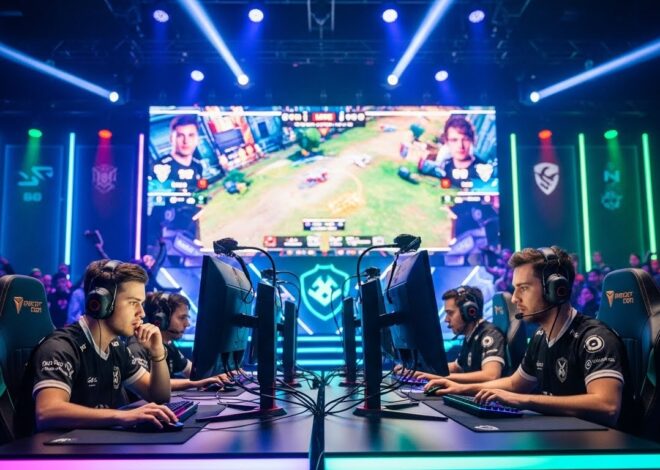
One of the defining features of esports is its professionalization. What was once a hobby for passionate gamers has now turned into a career for many talented individuals. Professional esports players train for hours every day, honing their skills and strategizing with their teams in order to compete at the highest level. These players are not only athletes but also influencers, often building massive online followings through their social media channels and streaming platforms.
Esports teams, similar to traditional sports franchises, are now operating with dedicated coaches, analysts, and managers to ensure the success of their players. These teams participate in tournaments across the world, competing for massive prize pools and sponsorships. The competitive nature of esports is comparable to that of traditional sports, with intense rivalries, sponsorship deals, and fan loyalty driving the industry forward.
The emergence of esports as a viable career option has also led to the creation of a collegiate esports scene, where universities and colleges offer scholarships to talented players. Many esports athletes now have the opportunity to attend college on esports scholarships, further legitimizing the field and helping it gain mainstream recognition.
The Appeal of Esports: Why People Watch
Esports has quickly become one of the most-watched entertainment sectors globally. But what makes it so appealing to millions of viewers? There are several factors that contribute to the growing popularity of esports as a spectator sport.
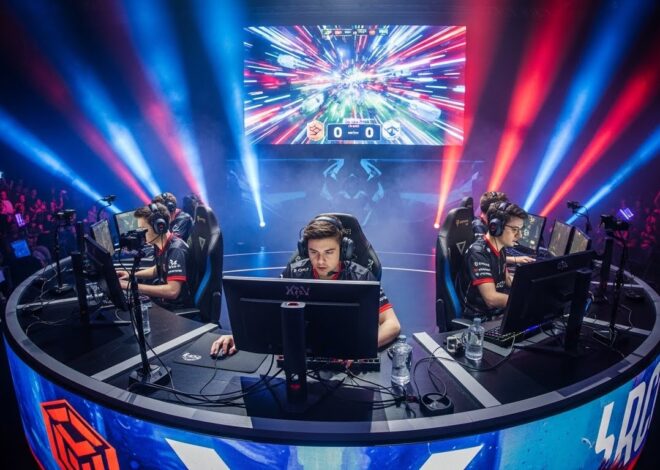
First and foremost, esports is inherently engaging. Competitive gaming is fast-paced, full of strategy, and often unpredictable, which keeps viewers on the edge of their seats. Fans of esports enjoy watching their favorite players or teams battle it out in intense matches, where split-second decisions can mean the difference between victory and defeat. The high level of skill and strategy involved in top-tier esports tournaments creates an experience that is as thrilling to watch as any traditional sport.
Moreover, esports offers a sense of community. Fans of esports form passionate, dedicated communities online, engaging with players and teams through social media, live streams, and fan events. These communities create a shared experience for fans, who can connect with others who share their love for the games and the players they support. Esports allows viewers to engage in a way that feels personal and interactive, whether through watching live streams on platforms like Twitch, interacting in online chats, or attending in-person events and tournaments.
The Growing Influence of Esports on the Mainstream
Esports has transitioned from a niche hobby to a mainstream entertainment option. Major brands and corporations are taking notice, investing in esports teams, tournaments, and events. Sponsorship deals, often worth millions of dollars, have helped propel esports into the spotlight, with companies like Intel, Coca-Cola, and Red Bull partnering with major esports organizations. These sponsorships bring with them high-level production values, enhancing the overall viewing experience and attracting even more fans.
Esports is also gaining recognition from mainstream media outlets. Major sports networks like ESPN and TBS have started airing esports tournaments, drawing in audiences who may not have otherwise tuned in. Additionally, traditional sports figures have become involved in esports. For instance, NBA stars like Shaquille O’Neal and Stephen Curry have invested in esports teams, while football players such as JuJu Smith-Schuster and Patrick Mahomes have become prominent figures in the gaming world.
As esports continues to grow, its influence is expanding into other sectors, including education, health, and fitness. Professional esports athletes often undergo rigorous physical and mental training to maintain their performance, showing that esports requires just as much discipline and commitment as traditional sports. Moreover, esports is increasingly being recognized as a legitimate career path, with programs, scholarships, and job opportunities available for those looking to work in various aspects of the industry, from marketing and broadcasting to team management and event organization.
The Challenges Facing Esports
Despite its rapid growth and mainstream success, esports still faces several challenges. One of the most significant issues is the lack of regulation and standardized rules across different games and tournaments. While traditional sports have governing bodies that set standards, esports is still fragmented, with different leagues and organizations each setting their own rules. This lack of uniformity can create confusion for players, teams, and fans, and it hinders the growth of the industry as a whole.
Another challenge facing esports is the ongoing issue of player burnout. Competitive gaming requires intense focus and dedication, and players often put in long hours of practice to remain competitive. This can take a toll on players’ physical and mental well-being, leading to burnout, injury, and early retirement. Organizations and industry professionals are increasingly recognizing the need for better support systems for players, including mental health resources, proper training regimens, and opportunities for rest and recovery.
Finally, there is the issue of inclusivity. While esports has made significant strides in attracting a diverse fan base, there is still much work to be done to ensure that all players, regardless of gender, race, or background, have an equal opportunity to succeed in the competitive scene. Efforts to create more inclusive environments, including support for female gamers and players from underrepresented communities, are crucial to ensuring that esports continues to thrive and grow.
Conclusion: The Future of Esports
The future of esports is incredibly bright. As technology continues to advance and the gaming industry continues to evolve, esports will remain at the forefront of the entertainment landscape. With more investment, more tournaments, and an ever-expanding fanbase, esports is poised to become a dominant force in global sports and entertainment.
As it continues to evolve, esports will not only provide exciting opportunities for gamers but will also serve as a testament to the growing recognition of gaming as a legitimate and respected form of competition. Whether you’re a player, a fan, or simply someone curious about the world of esports, it’s clear that this digital revolution is here to stay—and it’s only getting started.