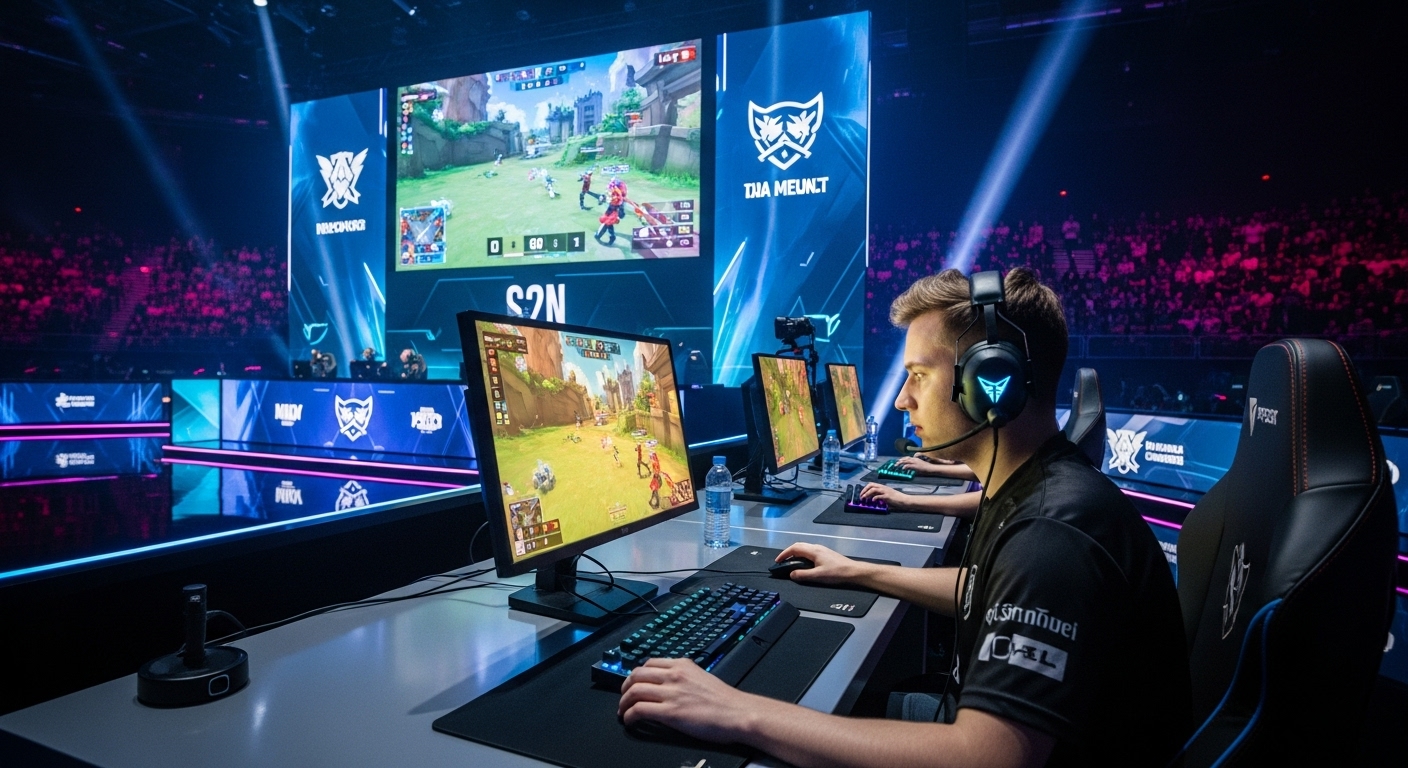
Esports and Inclusivity: Making Competitive Gaming Accessible
The world of esports has grown rapidly over the last decade, transforming from a niche hobby into a global phenomenon. Millions of players and fans engage with competitive gaming daily, whether through playing, watching, or discussing it. But as esports continues to evolve, so too does the need to address inclusivity—ensuring that competitive gaming is accessible to everyone, regardless of their background, identity, or abilities.
In this blog post, we will explore the importance of inclusivity in esports, the challenges that remain, and the positive steps being taken to make competitive gaming a more welcoming and diverse environment. We will examine how inclusivity benefits the industry, the barriers faced by marginalized communities, and the role of developers, organizers, and players in fostering an inclusive esports culture.
The Rise of Esports and Its Global Impact
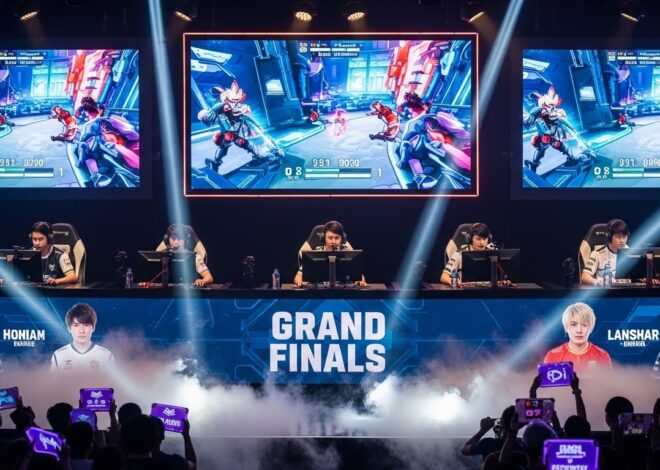
Esports has become a significant cultural and economic force. What began with small, local tournaments has expanded into international leagues and competitions with prize pools reaching millions of dollars. Major esports events draw crowds comparable to traditional sports, and streaming platforms have enabled fans worldwide to watch matches in real time.
The rapid expansion of esports has created numerous opportunities but also brought to light persistent issues related to inclusivity. As competitive gaming draws players from diverse backgrounds, it is essential that this diversity is embraced rather than sidelined. Making esports accessible ensures a richer, more innovative community and contributes to the growth and sustainability of the industry.
Why Inclusivity Matters in Esports
Inclusivity is about more than just representation; it’s about creating a gaming environment where everyone feels safe, respected, and valued. When esports embraces inclusivity, it leads to several important outcomes:
- Broader Talent Pool: By welcoming players from all walks of life, esports can discover talents that might otherwise go unnoticed.
- Diverse Perspectives: Different backgrounds bring fresh ideas and approaches to the game, enhancing strategies and the overall competitive scene.
- Healthier Community: Inclusivity reduces toxic behavior, harassment, and discrimination, leading to a more supportive and engaging community.
- Market Expansion: Catering to a diverse audience increases viewership, sponsorship opportunities, and revenue streams.
Ultimately, inclusivity enriches the esports ecosystem and reflects the diverse society in which we live.
Barriers to Inclusivity in Competitive Gaming
Despite its growth, esports still faces many challenges in becoming fully inclusive. These barriers can be structural, cultural, or technical.
Gender Barriers
One of the most visible issues in esports is the underrepresentation and often exclusion of women. Competitive gaming is frequently dominated by men, and female players may face harassment, discrimination, or skepticism about their abilities. The stereotype that gaming is a male pastime discourages many women from participating or pursuing esports professionally.
Socioeconomic Barriers
Access to esports requires not only skill but also resources. High-performance computers, gaming consoles, reliable internet, and sometimes travel expenses for tournaments can be prohibitively expensive. This creates a divide where only those with sufficient means can fully engage with competitive gaming.
Disability Barriers
People with disabilities often encounter challenges in accessing esports. Game design may not always accommodate players with visual, auditory, motor, or cognitive impairments. Moreover, physical accessibility at live events is not always guaranteed, limiting the participation of disabled gamers.
Cultural and Racial Barriers
Racism and cultural bias can alienate players and fans from minority ethnic groups. Language barriers and a lack of diverse representation in leadership roles within esports organizations further compound these issues.
Toxicity and Harassment
Toxic behavior remains a significant problem in many competitive gaming communities. Harassment based on gender, race, or other identities discourages marginalized groups from participating or staying involved in esports.
Efforts Toward Inclusivity in Esports
Despite these challenges, many positive initiatives are underway to make esports more inclusive.
Promoting Women in Esports
Several organizations and tournaments now focus specifically on encouraging female participation. These initiatives provide mentorship, community support, and safe spaces for women to compete. Additionally, more female streamers and commentators have become prominent, serving as role models.
Accessibility Features in Games
Game developers are increasingly incorporating accessibility options into their titles. Features such as customizable controls, colorblind modes, subtitles, and audio cues enhance the experience for players with disabilities. These improvements make competitive gaming more welcoming to a broader range of participants.
Creating Inclusive Communities
Moderation policies and community guidelines are being strengthened to combat toxicity and harassment. Many esports platforms have zero-tolerance policies toward discrimination, creating safer environments for all players.
Scholarships and Financial Support
To reduce socioeconomic barriers, some organizations offer scholarships, grants, or subsidized equipment to talented players from underrepresented or low-income backgrounds. This support enables more individuals to access competitive gaming.
Cultural Awareness and Representation
Efforts to increase diversity in esports leadership and commentary help to reflect a more inclusive culture. Celebrating different languages and cultural backgrounds within esports events fosters a sense of belonging among diverse audiences.
The Role of Players and Fans
Inclusivity is not just the responsibility of developers or organizations—it requires the active participation of players and fans as well. Gamers can contribute by:
- Challenging toxic behavior when they see it
- Supporting underrepresented players and teams
- Promoting respectful communication in chat and forums
- Advocating for inclusive policies within their communities
Fans can also encourage diversity by celebrating the achievements of players from varied backgrounds and supporting events that prioritize inclusivity.
The Future of Inclusivity in Esports
The future of esports depends heavily on its ability to be inclusive. As the industry matures, so too must its commitment to diversity and accessibility. Several trends suggest a positive outlook:
- Increased collaboration between esports and disability advocacy groups to design more accessible gaming experiences.
- Greater investment in grassroots programs aimed at underrepresented communities.
- Continued growth of mixed-gender and open tournaments.
- Expansion of remote and online participation options, reducing geographical and financial barriers.
- Ongoing research and innovation in technology to assist disabled gamers, such as adaptive controllers and AI-based assistance.
By embracing these developments, esports can become a truly global and inclusive competitive arena.
Conclusion
Esports is more than just a game; it’s a community and a culture that has the power to unite people worldwide. However, this unity is only possible if inclusivity remains a core value. Making competitive gaming accessible to everyone is essential for the health and growth of esports as an industry and as a social phenomenon.
Addressing barriers related to gender, disability, socioeconomic status, race, and culture is a collective responsibility. Developers, organizers, players, and fans all have a role to play in creating a more welcoming environment. The progress made so far is encouraging, but there is still work to be done.
Ultimately, inclusivity is not just about fairness—it is about enriching the competitive gaming experience for all participants. When esports reflects the diversity of the world, it becomes stronger, more vibrant, and more exciting. The future of esports is inclusive, and together, the community can build a competitive gaming landscape where everyone belongs.