Esports Unleashed: How Competitive Gaming Became a Global Powerhouse
Introduction: The Rise of Digital Competition
Esports has transformed from a niche hobby into one of the fastest-growing sectors in global entertainment. Competitive gaming now attracts millions of viewers, offers lucrative careers, and shapes modern culture in powerful ways. What was once seen as a pastime for enthusiasts has evolved into a multibillion-dollar industry filled with professional leagues, sponsorships, and massive tournaments. The rise of esports reflects changes in technology, entertainment, and social interaction, marking a new era in competitive play.
The Evolution of Esports
Competitive gaming began long before the modern esports era. Early video game competitions focused on arcade-style challenges, where high scores and fast reactions determined the best players. As home consoles and personal computers became more accessible, local and national competitions slowly formed. The true revolution came with the internet, which enabled players worldwide to compete in real time. Online gaming transformed local tournaments into global battles, paving the way for organized leagues, professional teams, and international events. Today, esports spans numerous genres, from shooters and strategy titles to fighting games and sports simulations, each with passionate communities and dedicated competitive scenes.
Professional Players and Teams
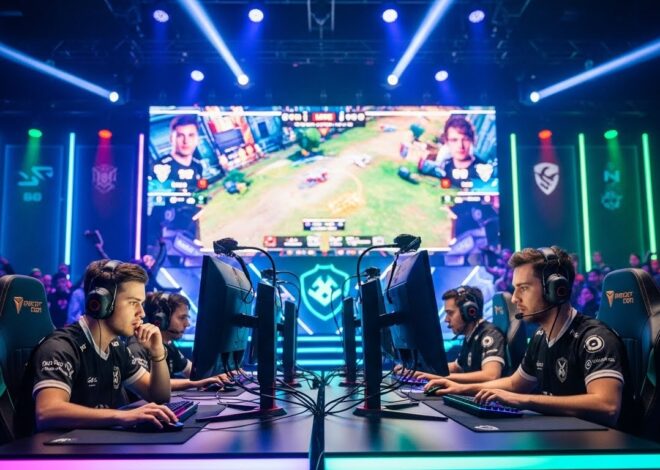
The growth of esports has given rise to professional players who train with the same dedication as traditional athletes. These individuals practice for hours every day, refining strategies, reactions, communication, and teamwork. Many players belong to organized teams supported by coaches, analysts, nutritionists, and managers. The competitive structure mirrors traditional sports, with athletes competing in leagues, representing organizations, and gaining recognition for their performance. Some players achieve celebrity status, building fanbases, earning sponsorships, and shaping gaming culture through their unique personalities and playstyles.
Major Esports Titles and Genres
Esports is not defined by a single game but by a variety of genres that appeal to different types of players and audiences. Multiplayer battle arenas emphasize teamwork, strategy, and timing. First-person shooters test reflexes and precision. Card-based strategy games highlight tactical thinking and decision-making under pressure. Fighting games showcase skillful execution, mind games, and quick adaptation. Sports simulation titles mirror real-world competitions, providing fans with digital versions of their favorite sports. This diversity allows esports to reach a wide audience, offering something for every type of gamer.
The Spectator Experience
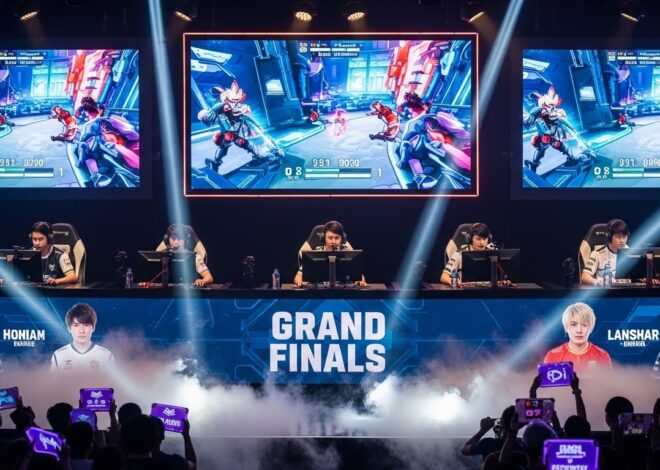
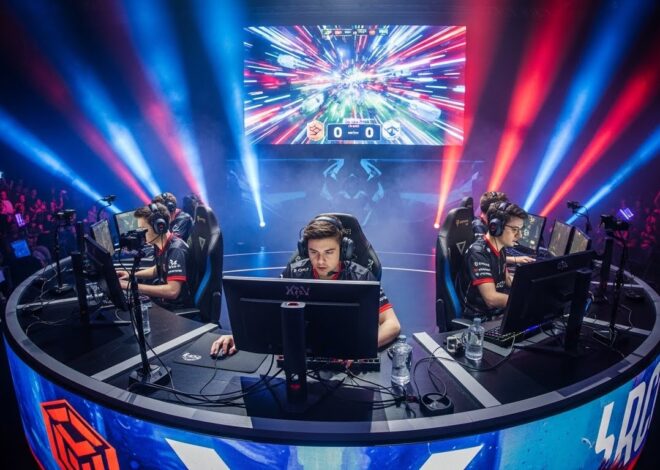
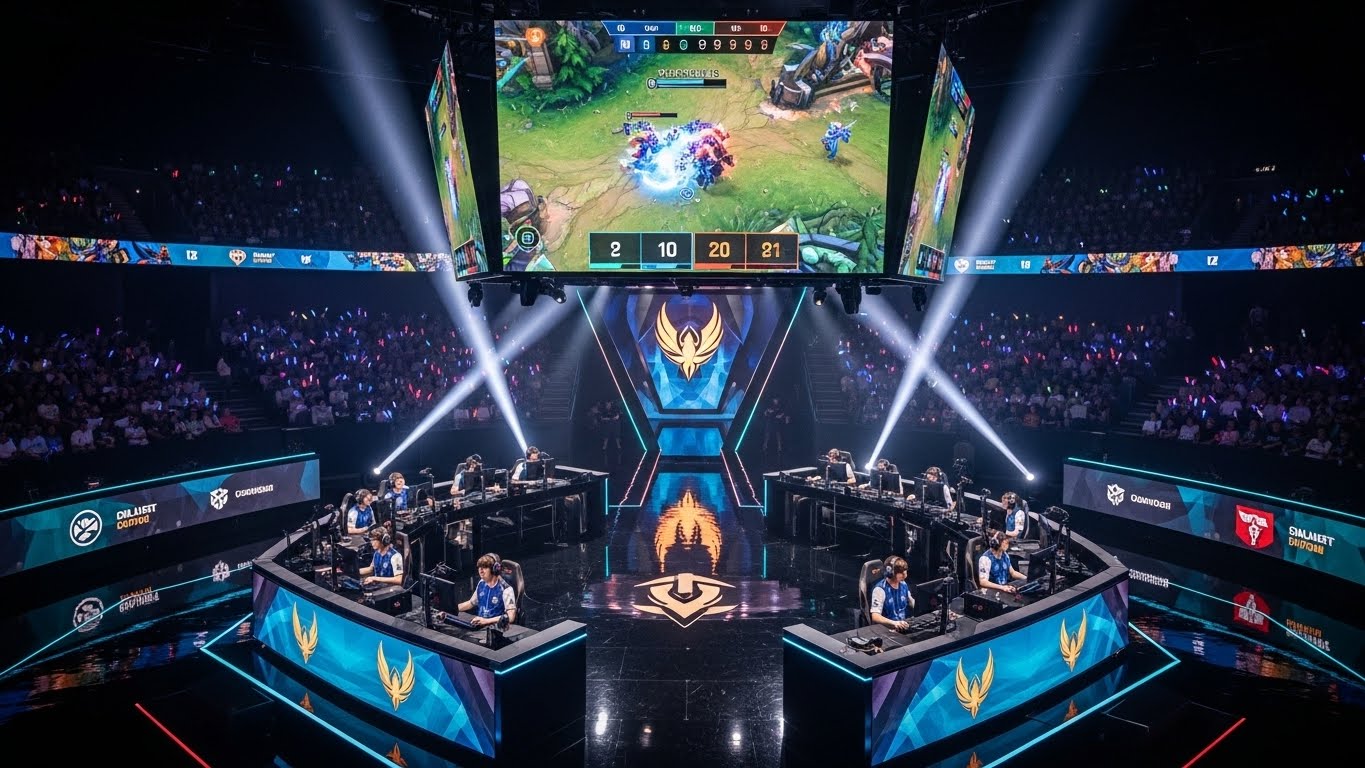
One of the most fascinating aspects of esports is its evolution into a spectator sport. Millions of fans tune in to watch professional matches, analyzing plays, cheering for teams, and celebrating victories. Commentators break down strategies and hype key moments, creating an immersive and energetic viewing experience. Live events held in large arenas add even more excitement, bringing fans together for unforgettable experiences filled with roaring crowds, dramatic entrances, and emotional finales. The shared enthusiasm among viewers creates a community atmosphere similar to that of traditional sports.
The Business of Esports
Esports is not only a form of entertainment but also a thriving business sector. Revenue comes from sponsorships, merchandise, media rights, ticket sales, and tournament prizes. Major companies across various industries invest in esports because it reaches younger, tech-savvy audiences. Teams operate as professional organizations with business strategies, branding initiatives, and long-term growth plans. Tournament organizers build global events that draw massive attention. The business side of esports continues to expand as more investors recognize its potential and influence.
Training and Player Development
Behind every successful esports player is a rigorous training routine. Professional teams often operate training facilities equipped with advanced technology, fitness equipment, and dedicated spaces for strategy sessions. Players focus on improving reflexes, communication, teamwork, and mental resilience. Coaches guide players through analysis and drills, helping them master game mechanics and tactical decision-making. Mental conditioning has become an important part of player development, as esports requires intense focus and emotional control. As the competitive scene grows, training programs become increasingly sophisticated, emphasizing both physical and mental well-being.
The Impact of Streaming and Content Creation
Streaming platforms have played a crucial role in elevating esports. Many professional players livestream their practice sessions, interact with fans, and provide behind-the-scenes insight into competitive life. Content creators showcase gameplay, tutorials, humor, and commentary, building communities and influencing gaming culture. These creators often bridge the gap between competitive gaming and everyday players, making esports more accessible and entertaining. The rise of streaming has also created new career paths, allowing players to earn income through digital content while supporting the growth of the broader gaming ecosystem.
Esports and Education
Educational institutions around the world are beginning to recognize the academic and developmental potential of esports. Schools and colleges now offer esports clubs, training programs, and even scholarships for talented players. Esports teaches valuable skills such as teamwork, communication, strategic thinking, and digital literacy. Students involved in esports learn how to manage time, handle pressure, and collaborate effectively. Some programs also incorporate career pathways in game design, broadcasting, marketing, and coaching, preparing students for roles beyond competitive play. The integration of esports into education demonstrates its growing legitimacy and influence.
The Global Community of Esports
Esports transcends borders, languages, and cultures. Players from different countries compete in international tournaments, celebrating diversity through shared passion for gaming. Communities form around teams, games, and content creators, creating friendships and connections across the world. The global nature of esports encourages cultural exchange and understanding, uniting people who might otherwise never interact. Fans enjoy connecting online, discussing strategies, debating rankings, and celebrating victories together. This worldwide community is one of the most powerful aspects of esports, highlighting its role in shaping global digital culture.
Challenges Facing the Esports Industry
Despite its remarkable growth, esports faces challenges that require careful attention. Player burnout is a major issue, as intense schedules and constant pressure can lead to mental and physical strain. Ensuring fair competition is also a priority, requiring strong anti-cheat measures and clear rules. Financial stability varies among players, teams, and organizations, making long-term sustainability a complex issue. Additionally, the industry must address concerns related to inclusivity, diversity, and the treatment of players. Overcoming these challenges is essential for maintaining the integrity and health of the esports ecosystem.
The Future of Esports: Innovation and Expansion
The future of esports is filled with potential. Advancements in technology will continue to enhance gameplay, training, and broadcasting. Virtual reality may introduce new competitive genres, while artificial intelligence could revolutionize coaching and strategy development. Cross-platform play will make competitions more accessible, allowing players on different devices to compete seamlessly. Global tournaments will grow in scale, attracting even larger audiences. Esports will likely expand into new markets, blending with traditional sports, entertainment, and education. As innovation progresses, competitive gaming will continue to evolve, offering fresh experiences and redefining digital competition.
Esports as Cultural Influence
Esports is not just entertainment; it is a cultural force shaping music, fashion, language, and social trends. Competitive gaming inspires apparel lines, collaborations with artists, and new forms of digital expression. Gaming terminology influences everyday speech, while competitive strategies inspire analytical thinking and problem-solving. Esports also promotes representation and identity, providing role models for younger players who aspire to careers in the gaming world. This cultural impact extends far beyond the games themselves, highlighting esports as a major part of modern digital culture.
Conclusion: A New Era of Competitive Play
Esports has ushered in a new era of competition, creativity, and community. What began as small-scale gaming contests has evolved into a global entertainment force that rivals traditional sports in excitement and influence. Through professional play, international tournaments, and passionate fanbases, esports continues to expand and redefine what competition means in the digital age. Its blend of skill, strategy, and technology captures the imagination of millions, while its cultural and economic impact grows stronger every year. As the industry continues to innovate and evolve, esports stands as a powerful symbol of the future of play, connection, and global entertainment.