Esports Unleashed: The Competitive Gaming Revolution Taking Over the World
Introduction: The Explosion of Esports in the Modern World
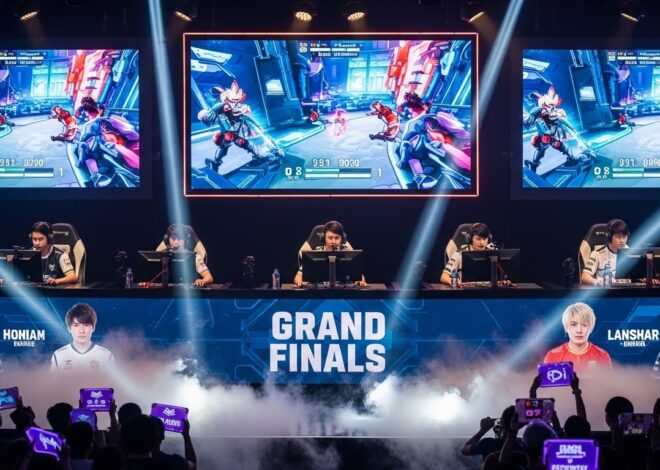
The world of sports has seen an incredible evolution over the past century, from traditional sports like football and basketball to newer forms of entertainment. But there’s one form of competition that has taken the globe by storm in recent years — esports. Once a niche hobby for passionate gamers, esports has exploded into a billion-dollar industry that spans continents, connects millions of fans, and has become a central part of the entertainment landscape.
Esports, short for electronic sports, refers to competitive video gaming played by professionals in organized tournaments, often streamed online to global audiences. What began as small local tournaments has transformed into a massive global phenomenon with its own dedicated leagues, sponsorships, media rights deals, and a rapidly growing fanbase. In this post, we’ll explore the origins of esports, its rise to prominence, its cultural significance, and where it’s headed in the future.
The Origins of Esports: From Casual Play to Competitive Tournaments
Esports didn’t appear out of thin air. The roots of competitive gaming go back to the 1970s and 1980s, when arcade games such as Pong, Space Invaders, and Pac-Man provided the first real taste of video game competition. These games were not necessarily designed for competition in the way modern esports titles are today, but they laid the foundation for gaming as a social activity.
In the 1990s, the advent of the internet and personal computers gave players the ability to connect with one another online. This was a game-changer. As broadband internet became more widespread, multiplayer games like Quake, Warcraft II, and StarCraft allowed people from all over the world to connect and compete. It was during this time that the first professional gaming tournaments emerged. These tournaments were often smaller, more community-driven events, but they helped shape the competitive scene and laid the groundwork for what would come.
By the early 2000s, esports tournaments began to get more organized, with large-scale competitions like the World Cyber Games and Cyberathlete Professional League (CPL) offering real prize money and bringing professional players into the spotlight. These competitions marked the beginning of esports as a legitimate competitive endeavor, albeit one that was still largely limited to certain regions.
The Growth of Esports: From Local Leagues to Global Phenomenon
The real turning point for esports came with the rise of games like League of Legends and Dota 2 in the late 2000s and early 2010s. These multiplayer online battle arena (MOBA) games provided a perfect balance of skill, strategy, and teamwork, making them ideal for esports competition. What followed was an explosion in both the number of players and the size of tournaments.
In 2011, Riot Games launched the League of Legends World Championship, which would go on to become one of the most prestigious and widely viewed esports events in the world. Similarly, Dota 2’s The International, first held in 2011, quickly became known for its astronomical prize pools — reaching over $40 million in 2021. The success of these games and their tournaments was a major catalyst for the rapid expansion of esports.
As gaming companies began to invest heavily in esports, the ecosystem grew exponentially. Game developers saw the potential to turn their titles into long-term competitive platforms, not just one-off experiences. Professional leagues were established, tournaments became more frequent and high-profile, and global broadcasting reached millions of viewers. The major shift here was the recognition of esports as a spectator sport, with professional players becoming the stars of these events.
The Professionalization of Esports: Players, Teams, and Leagues
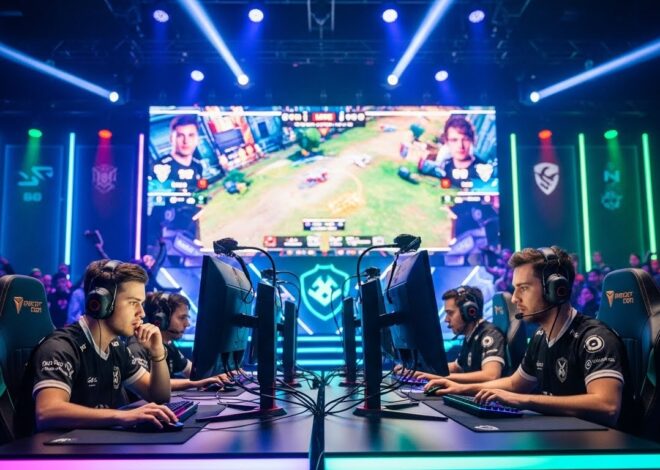
Esports today bears a remarkable resemblance to traditional professional sports. There are organized leagues with regular seasons, sponsorships, team contracts, and even salary caps. Players now compete as part of professional teams, which have coaches, analysts, and dedicated support staff to help them improve.
Many esports players now train full-time and are expected to spend countless hours perfecting their skills, just like athletes in traditional sports. Teams like Cloud9, T1, Fnatic, and Team Liquid have built international followings, and players are not just competitors but global celebrities. The best players can earn salaries in the six figures, and high-profile players often make even more through brand endorsements, streaming on platforms like Twitch, and prize money from major tournaments.
For example, League of Legends players in the League of Legends Championship Series (LCS) can earn upwards of $300,000 a year, not including bonuses, sponsorships, and prize pool earnings. This professionalization has allowed esports to attract high-profile corporate sponsors, including major tech companies like Intel, Red Bull, and Coca-Cola, further cementing its place in the entertainment industry.
Esports as a Global Spectacle: Broadcasting and Viewership
One of the key reasons for the success and rapid growth of esports has been its global appeal. With games like League of Legends, Fortnite, and Counter-Strike: Global Offensive being played by millions of people worldwide, esports has been able to build a massive, diverse fan base. The ability to watch esports tournaments online — via live streaming platforms like Twitch, YouTube Gaming, and Facebook Gaming — has allowed fans from every corner of the globe to tune in.
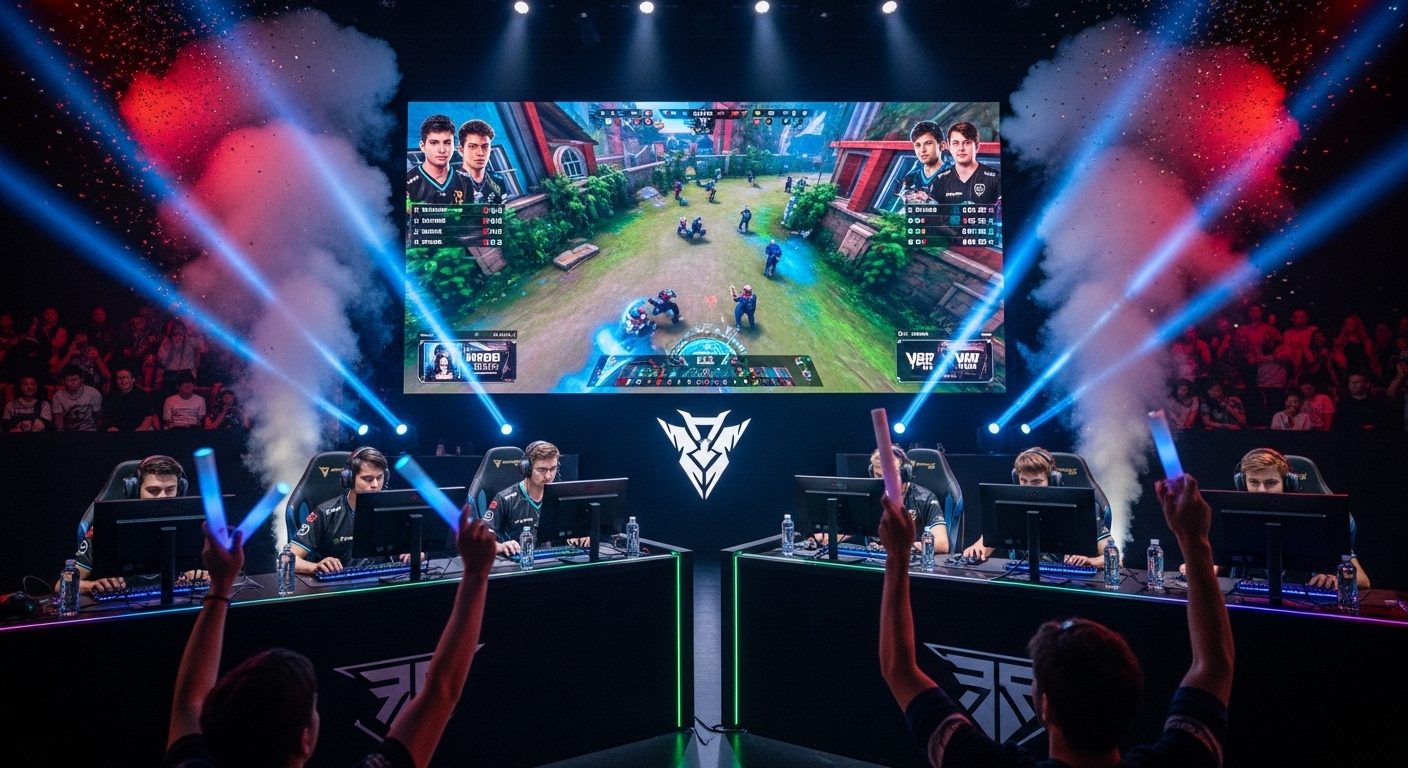
In fact, esports is now watched by millions of people each year, with viewership rivaling that of traditional sports events. For example, the League of Legends World Championship has garnered over 100 million unique viewers annually, making it one of the most-watched sporting events worldwide. The International, Fortnite World Cup, and Overwatch League all attract similarly massive audiences, both in-person and via online streaming.
Moreover, the rise of esports broadcasting is creating new career opportunities in the media landscape. Esports commentators, analysts, and broadcasters now enjoy similar recognition to their counterparts in traditional sports. These professionals provide real-time commentary, analysis, and expert insights during matches, making esports events just as engaging and exciting to watch as any other sporting event.
The Economic Impact of Esports: A Multi-Billion Dollar Industry
Esports is no longer just about the games themselves; it’s become an enormous economic force. The esports industry is expected to surpass $1.5 billion in global revenue by 2023. This revenue comes from a combination of sponsorships, media rights, ticket sales, and merchandising, among others.
Sponsorships play a huge role in the economics of esports. Major brands are investing heavily in esports tournaments, teams, and players to reach a coveted young, tech-savvy audience. Companies like Intel, Logitech, and Nike have all signed multi-million-dollar deals with esports organizations, with some deals extending into the realm of esports’ various sub-cultures such as gaming gear and lifestyle products.
In addition, the increasing popularity of esports broadcasting and live-streaming platforms like Twitch and YouTube Gaming has opened up a new avenue for revenue generation. These platforms are able to monetize their large viewership through advertising, subscription models, and viewer donations, helping drive the growth of esports even further.
The Social and Cultural Impact of Esports
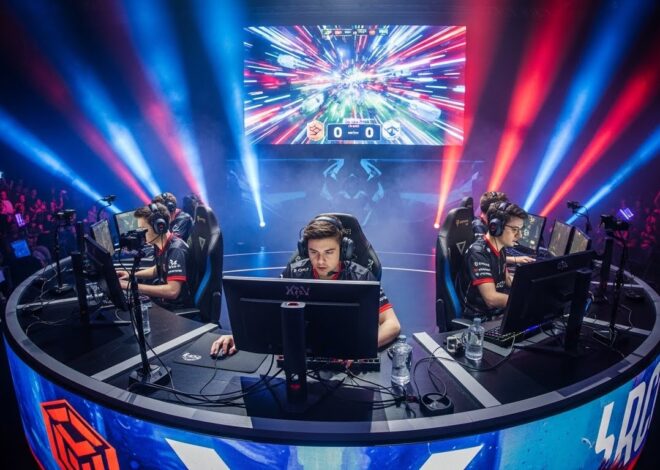
Esports has had a profound impact on gaming culture and society at large. Once stereotyped as a solitary or antisocial hobby, video gaming — and by extension, esports — has evolved into a social and community-oriented activity. Fans now regularly gather to watch esports tournaments live in arenas, or more often, through live-streams on various platforms.
Esports has also become a unifying force for fans worldwide, fostering a global sense of community. The gaming community is diverse, with people of all ages, genders, and nationalities coming together to support their favorite players or teams. This inclusivity is one of the most compelling aspects of esports, providing a platform for people who may otherwise feel marginalized to connect with others who share their passion.
Moreover, esports has become a career option for an increasing number of young people. College scholarships for esports players are becoming more common, and many institutions are beginning to offer esports management programs. This trend is helping to legitimize esports as not just a form of entertainment, but a legitimate career path and academic pursuit.
The Future of Esports: What’s Next?
Looking ahead, the future of esports seems brighter than ever. As technology continues to improve, the scope of competitive gaming is only going to expand. The integration of virtual reality (VR) and augmented reality (AR) into esports could offer new and exciting ways to experience gaming, both for players and spectators.
Mobile gaming also plays a significant role in the future of esports. Games like PUBG Mobile and Clash Royale have shown the potential for mobile devices to become viable platforms for competitive gaming. As smartphones become increasingly powerful, it’s likely that mobile esports will experience a massive surge in popularity.
The integration of esports into traditional sports leagues and institutions is another trend to watch. Major professional sports teams and franchises have already begun investing in esports teams and competitions, signaling a merging of the two worlds. As traditional sports continue to embrace esports, the industry’s influence will only grow.
Conclusion: The Global Esports Phenomenon is Here to Stay
From humble beginnings in arcade halls to massive global events watched by millions, esports has evolved into a cultural and economic powerhouse. It has brought together communities, created professional opportunities, and has fundamentally changed the way we think about gaming as a competitive pursuit.
With its rapid growth, global appeal, and increasing mainstream recognition, esports is not just a passing trend — it’s the future of entertainment.