Esports vs Traditional Sports: What’s the Difference?
The world of sports has expanded far beyond the confines of stadiums, courts, and fields. In recent decades, the rise of esports—competitive video gaming—has challenged the very definition of what it means to be an athlete or to participate in sport. While traditional sports like basketball, soccer, and tennis have long been considered the epitome of physical competition, esports brings a new dimension built on technology, strategy, and digital communities.
Despite their growing similarities, esports and traditional sports remain fundamentally different in several ways. To truly understand how they diverge, it’s important to examine their nature, skill sets, audiences, infrastructure, and cultural impact.
The Nature of Competition
At their core, both esports and traditional sports revolve around competition. Athletes, whether on a pitch or behind a computer screen, are driven by the same desire to outperform their opponents, demonstrate skill, and achieve victory. The difference lies in how this competition is expressed.
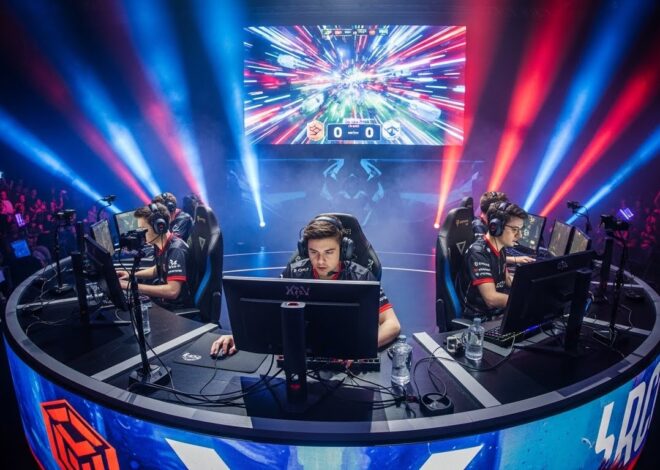
Traditional sports emphasize physical ability. Running speed, strength, agility, and endurance are critical to success. Esports, by contrast, is centered on mental acuity, reflexes, and precision in a digital environment. Success in games like League of Legends, Counter-Strike, or Dota 2 relies on reaction time measured in milliseconds, split-second decision-making, and deep strategic thinking.
Both demand peak performance, but while one tests the body, the other tests the mind in tandem with hand-eye coordination.
The Skills Involved
Traditional athletes hone their bodies through training regimens, nutrition, and discipline. Their performance is shaped by physical attributes, biomechanics, and years of conditioning. For instance, a sprinter’s explosive start or a basketball player’s vertical jump comes from hours of weight training, drills, and repetition.
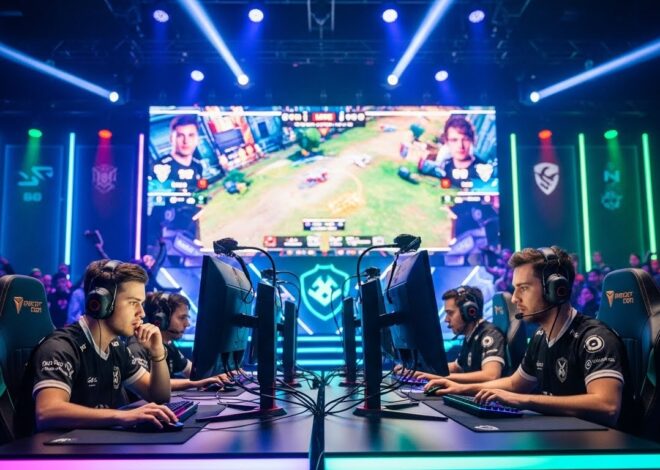
Esports athletes, on the other hand, cultivate different skill sets. Their training focuses on mastering game mechanics, building synergy with teammates, analyzing opponents’ tactics, and maintaining focus under pressure. While esports players may not be sprinting across fields, their cognitive load is immense. Many professionals practice up to twelve hours a day to refine strategies, build muscle memory for in-game actions, and ensure flawless execution.
Both forms of sport require discipline, but the nature of the skills differs—one physical, the other cognitive and digital.
Physical Demands vs Mental Stamina
One of the clearest differences between esports and traditional sports is the physical demand placed on participants. Traditional athletes often put their bodies through extreme levels of exertion. Injuries, fatigue, and recovery are integral parts of their careers. Sports medicine and rehabilitation are entire industries built around the physical toll of sports.
Esports athletes, though not exerting themselves in the same way, face their own challenges. Long hours of sitting and repetitive strain can lead to issues such as carpal tunnel syndrome, eye strain, and back problems. More importantly, esports competitors endure intense mental fatigue. Concentrating at a high level for hours on end, making rapid decisions, and working under immense pressure can be mentally exhausting.
In short, traditional sports strain the body, while esports strains the mind. Both forms of strain can be equally demanding in their own right.
Accessibility and Participation
One of the most striking differences between esports and traditional sports lies in accessibility. Traditional sports often require specific physical abilities, equipment, and facilities. For example, not everyone can play football without access to a field, gear, and teammates. Additionally, certain sports may exclude people who lack particular body types or physical capabilities.
Esports, however, is far more inclusive. Anyone with access to a computer or console and an internet connection can participate. Physical stature, gender, and age play less of a role in determining success. This accessibility has fueled the rapid growth of esports worldwide, allowing people from different backgrounds to compete on an even playing field.
That said, the financial cost of high-end gaming equipment and reliable internet can still be a barrier. Nonetheless, esports generally opens the door to more participants compared to traditional sports.
Audience Engagement
Traditional sports have been cultural cornerstones for centuries, drawing millions of spectators to stadiums and billions of viewers to broadcasts. Their reach is global, and their fan bases are deeply rooted in tradition, geography, and national identity. Supporting a local team or national athlete often becomes part of one’s cultural identity.
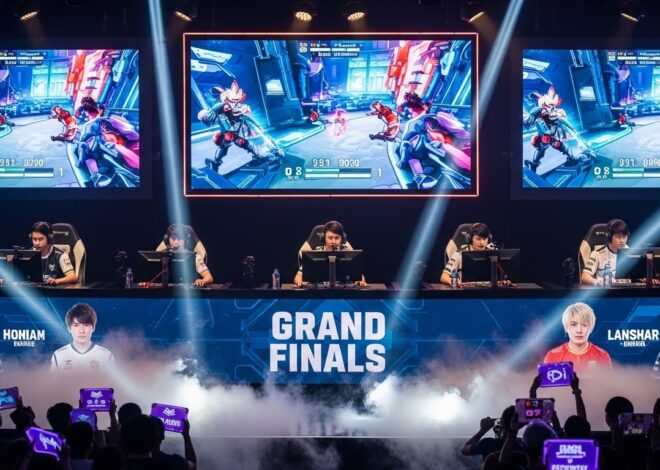
Esports, while newer, is rapidly catching up. The digital nature of esports means its audience exists primarily online, streaming matches through platforms like Twitch and YouTube. This allows fans to engage in real time, interact directly with players through chat, and form tight-knit communities across borders. Esports is less about geography and more about shared interest, uniting fans from different corners of the world.
The style of engagement also differs. Traditional sports fans tend to consume games passively—watching events unfold without direct interaction. Esports fans often take a more active role, engaging with the same games, playing alongside friends, or even aspiring to go professional themselves.
Infrastructure and Organization
Traditional sports are supported by well-established institutions: leagues, federations, and governing bodies that regulate competitions and maintain standards. These organizations provide structure, from grassroots programs to professional levels, ensuring a clear pathway for aspiring athletes.
Esports, by contrast, is still developing its organizational framework. Many competitions are run by private companies or the game developers themselves. While there are professional leagues and international tournaments, the lack of a single governing body makes esports more fragmented. Each game tends to operate its own competitive ecosystem, leading to inconsistencies in rules, player rights, and structures across titles.
This difference in infrastructure highlights the maturity of traditional sports compared to the still-evolving nature of esports.
Career Longevity
In traditional sports, careers are often limited by the body’s ability to perform. Athletes in physically demanding sports may retire in their 30s or even earlier due to injury or physical decline. However, some athletes, particularly in sports requiring more skill and technique than sheer physical prowess, can extend their careers into their 40s.
Esports careers, surprisingly, can be even shorter. Reaction times and mental sharpness tend to peak in early adulthood, meaning many esports professionals retire in their mid-20s. The mental strain, intense schedules, and constant evolution of games also contribute to burnout. However, many former players transition into coaching, streaming, or commentary, continuing their involvement in the industry.
Cultural Perception
Perhaps the biggest difference between esports and traditional sports lies in cultural perception. Traditional sports are widely accepted as legitimate athletic pursuits, celebrated in the Olympics and revered across societies. Esports, while growing rapidly, still faces skepticism. Critics argue that video games cannot be considered “real” sports due to the lack of physical exertion.
However, younger generations increasingly see esports as equally valid. With massive tournaments filling arenas, multimillion-dollar prize pools, and sponsorships from major global brands, esports is carving out its place alongside traditional sports. The cultural gap is closing, but acceptance varies depending on region and demographic.
Conclusion
Esports and traditional sports share a common foundation in competition, skill, and community, yet they diverge in how those elements manifest. Traditional sports test the limits of the human body, while esports push the boundaries of the human mind in digital arenas. One is rooted in centuries of tradition, the other in cutting-edge technology and global connectivity.
Ultimately, the debate over which is “better” misses the point. Both forms of sport provide opportunities for excellence, teamwork, entertainment, and personal growth. The key difference lies in their expression—physical versus digital—but both deserve recognition for what they bring to the world of competition.
As esports continues to grow and traditional sports evolve alongside it, the future of competition may no longer be about choosing between the two, but celebrating how both expand our understanding of what it means to play, to strive, and to win.