How Esport Is Gaining Mainstream Recognition
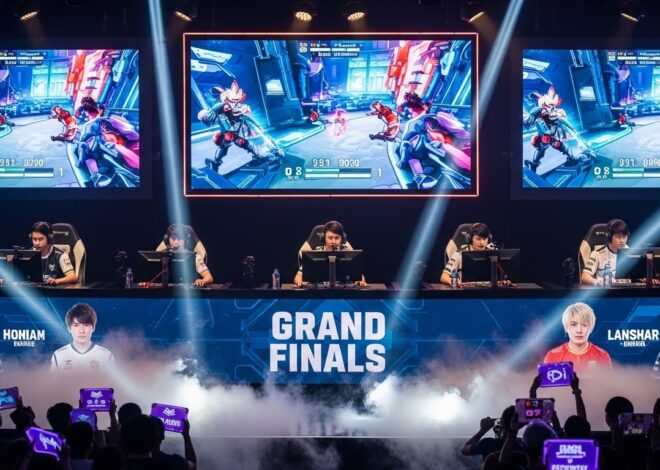
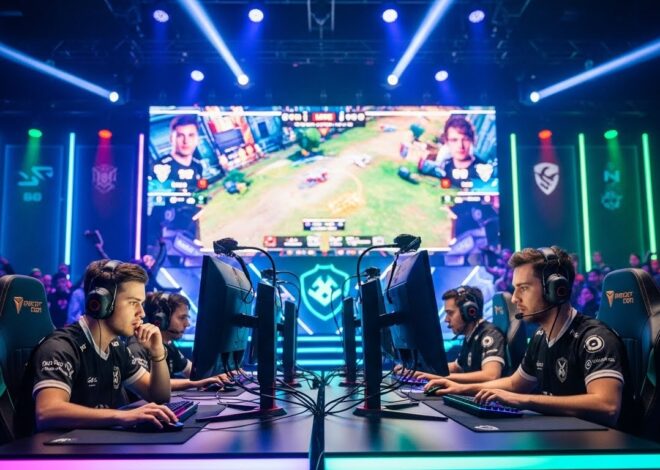
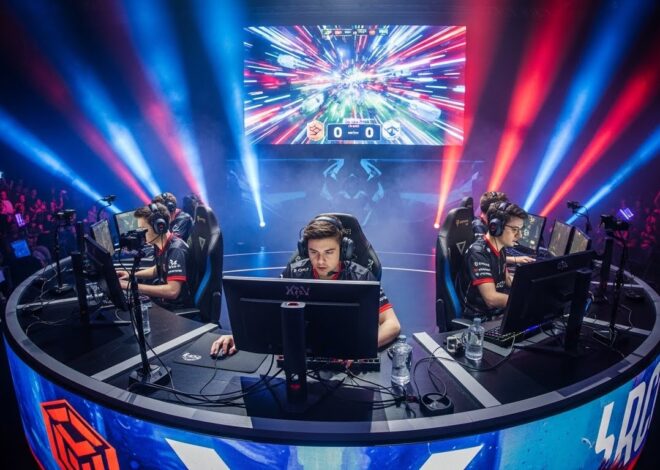
Not long ago, competitive gaming was seen as a niche hobby, tucked away in internet cafés and bedrooms, quietly enjoyed by a devoted yet often overlooked community. Fast forward to today, and esports is commanding global attention, filling arenas, securing multimillion-dollar sponsorships, and capturing the imagination of audiences that rival traditional sports viewership. What was once dismissed as “just video games” has become a recognized cultural and economic force, shaping the entertainment landscape of the 21st century.
This transformation hasn’t happened overnight. Esports’ journey to mainstream recognition has been fueled by a perfect storm of technology, cultural acceptance, and business investment. To understand its rise, it’s worth looking at how the industry evolved, the factors driving its growth, and the challenges and opportunities that lie ahead.
The Early Days of Competitive Gaming
Esports traces its roots back to the early 1980s, when competitive arcade gaming was in its infancy. Events like the 1980 Space Invaders Championship drew thousands of participants, laying the foundation for organized competitions. Through the 1990s and early 2000s, tournaments for games like StarCraft, Counter-Strike, and Warcraft began to shape a competitive culture, especially in regions like South Korea, where televised matches and dedicated leagues elevated gaming to near-national sport status.
Still, outside of these hotspots, gaming competitions remained largely underground. They were seen as subcultures rather than mainstream entertainment, with limited exposure beyond small communities and forums. That perception began to change with the rise of broadband internet and online streaming.
The Streaming Revolution
If there is a single factor that catapulted esports into the spotlight, it was the emergence of live-streaming platforms like Twitch and YouTube Gaming. For the first time, fans could watch their favorite players in real time, interact with them, and share the experience with global audiences.
Streaming didn’t just amplify esports’ visibility; it humanized it. Viewers could connect directly with professional players, building communities around personalities as much as the games themselves. In this sense, esports mirrored traditional sports fandom, where athletes are as important as the competition. The difference was that esports fans could engage with their heroes daily, breaking down barriers and cultivating loyalty in ways traditional sports could not.
The accessibility of streaming also allowed niche games to thrive. While major titles like League of Legends, Dota 2, and Counter-Strike: Global Offensive became global phenomena, countless smaller communities flourished, adding depth and diversity to the esports ecosystem.
Big Business Takes Notice
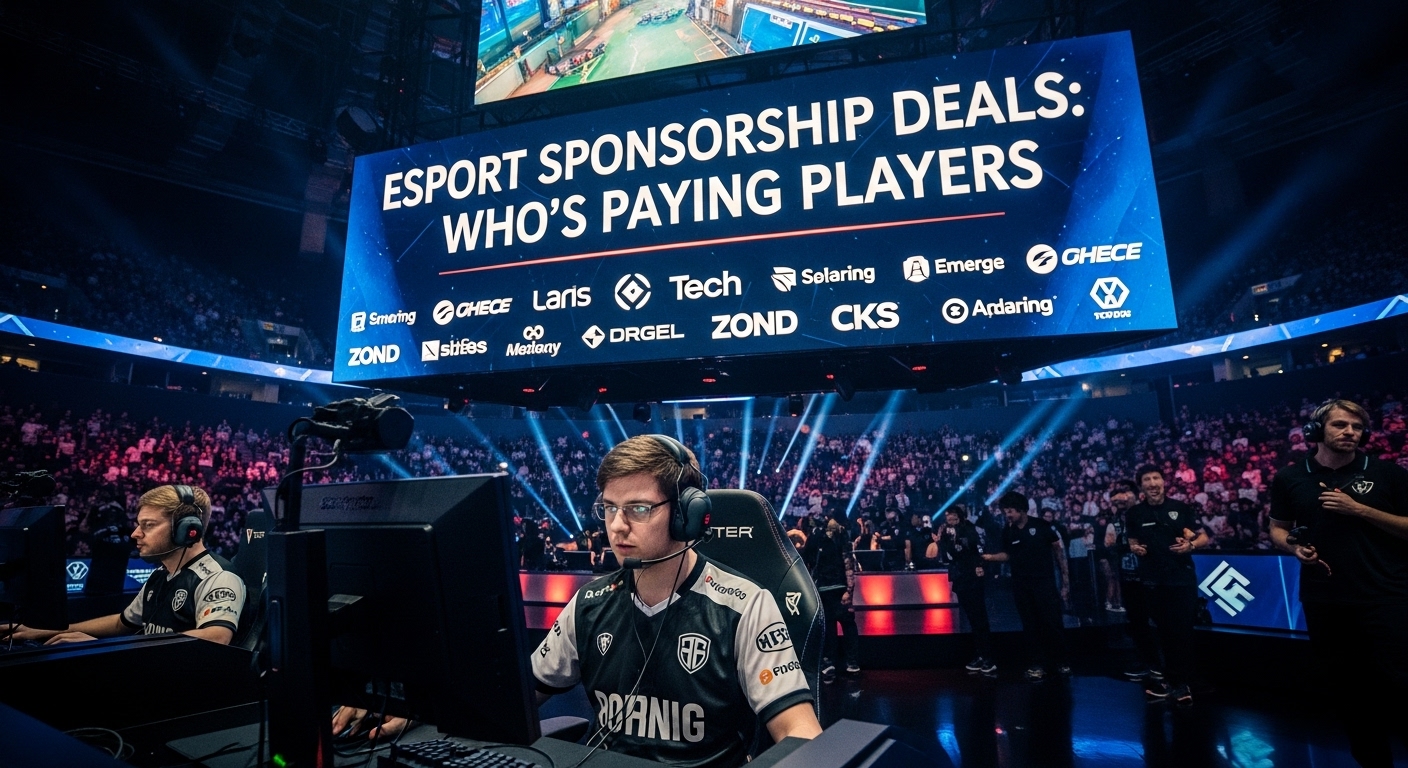
As audiences grew, so did the money. Major corporations began investing heavily in esports, seeing the potential to reach younger demographics that were increasingly tuning out of traditional media. Sponsorship deals with companies ranging from energy drinks to tech giants poured millions into leagues and teams.
Media rights became another lucrative avenue. Established broadcasters like ESPN and TBS began airing tournaments, giving esports a platform alongside traditional sports. The move not only legitimized competitive gaming but also introduced it to audiences who may never have considered watching a video game competition.
In parallel, venture capital firms and sports franchises entered the fray, acquiring teams and forming partnerships. Traditional sports organizations like the NBA, NFL, and European football clubs saw esports as both a complement to their existing businesses and a gateway to engaging with digitally native fans.
Esports as a Cultural Phenomenon
Beyond the money, esports’ rise has been deeply cultural. Younger generations have grown up with video games as a primary form of entertainment, blurring the lines between playing and watching. To many of today’s teens and young adults, esports feels as natural as football or basketball did to earlier generations.
The appeal also extends to the participatory nature of gaming. Unlike traditional sports, where the gap between fan and athlete can feel insurmountable, esports offers a unique relatability. Millions of fans play the same games they watch professionals compete in, creating a shared experience that fosters deeper connection.
Esports has also influenced fashion, music, and social media. Collaborations with major brands in apparel, sneaker culture, and entertainment have positioned gaming at the center of youth identity. Pop stars and celebrities frequently appear at tournaments, stream games themselves, or even invest in teams, further cementing esports as part of mainstream culture.
Recognition on a Global Stage
One of the clearest signs of esports’ mainstream recognition is its inclusion in international sporting events. The Asian Games, one of the world’s largest multi-sport competitions, officially recognized esports as a medal event in 2022. Discussions are ongoing about its potential inclusion in future Olympic Games, reflecting its growing legitimacy on the global stage.
Governments, too, are beginning to acknowledge esports’ economic and cultural significance. Countries like South Korea, China, and the United States have invested in infrastructure, education programs, and policies to support the industry. Universities now offer scholarships for esports athletes, much like they do for traditional sports, further solidifying competitive gaming’s role in mainstream institutions.
Challenges to Overcome
Despite its rapid rise, esports still faces hurdles on its path to full recognition. Concerns over player health and burnout, given the intense practice schedules, have sparked conversations about sustainability. Regulatory challenges also remain, as different regions grapple with how to classify esports—whether as sport, entertainment, or a hybrid of both.
There are also ongoing debates about inclusivity. While esports has global appeal, the industry has faced criticism for underrepresentation of women and marginalized groups. Addressing these issues will be key to ensuring that esports not only grows but does so responsibly and inclusively.
The Future of Esports
Looking ahead, esports shows no signs of slowing down. Industry reports project billions in revenue in the coming years, with growth fueled by sponsorships, media rights, and fan engagement. Technological innovations like virtual reality, augmented reality, and the metaverse promise to transform the way competitions are experienced, further blurring the lines between digital and physical arenas.
At the same time, the integration of esports into education and professional development hints at even broader applications. From team-building to problem-solving skills, competitive gaming is increasingly being recognized as a valuable activity beyond entertainment.
The continued convergence of esports with traditional sports, entertainment, and technology will likely shape the next decade. Whether through cross-industry collaborations, celebrity involvement, or global tournaments that rival the World Cup, esports is poised to solidify its place at the heart of mainstream culture.
Conclusion
Esports’ journey from niche pastime to global powerhouse is a testament to the power of technology, culture, and community. It has moved beyond stereotypes to command respect as both a legitimate competition and a cultural touchstone. While challenges remain, the trajectory is clear: esports is no longer on the margins of entertainment but firmly at its center.
As stadiums fill with cheering fans, as universities grant scholarships to esports athletes, and as governments debate its inclusion in global sporting events, one truth becomes undeniable. Esports has gained mainstream recognition, and its influence will only continue to grow.