
How Startups Are Changing Esports Technology
The esports industry has transformed dramatically over the past decade, evolving from small community tournaments into a global entertainment powerhouse. Behind this growth lies not just the games themselves, but also a wave of innovation driven by startups. These young companies are redefining how players train, how fans watch, and how events are organized. From data analytics and AI-driven coaching to blockchain-based platforms and advanced hardware, startups are at the forefront of shaping the next era of esports technology.
This article explores how startups are influencing the esports landscape, the technological revolutions they are bringing, and why their contributions matter to the future of competitive gaming.
The Rise of Esports as a Technological Frontier
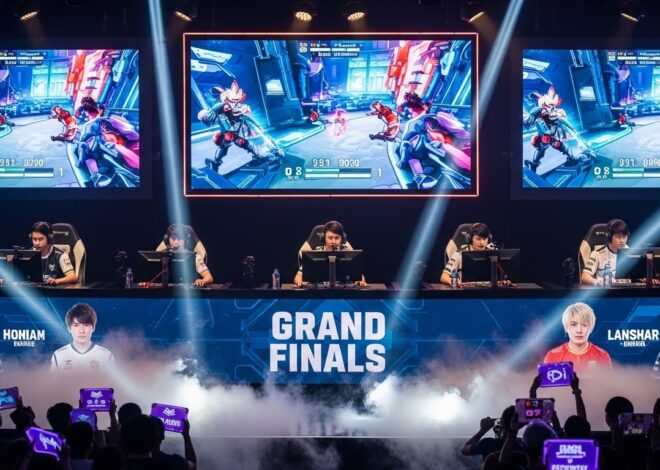
Esports, once considered a niche hobby, now rivals traditional sports in both audience size and global recognition. Major tournaments fill arenas, millions tune in online, and professional players are treated like celebrities. But what many fans do not see is the technological backbone that supports this enormous ecosystem.
Startups have recognized that esports is not just about entertainment—it is about technology. The same way Silicon Valley startups transformed industries like transportation, finance, and healthcare, emerging companies are now reimagining how competitive gaming operates. They are filling critical gaps in areas such as player analytics, broadcasting, fan engagement, and even health monitoring.
Unlike traditional sports, where technology adoption is often slow, esports thrives on rapid innovation. Players, teams, and organizers are always looking for an edge, and startups are providing that through smart solutions, advanced tools, and disruptive business models.
Data Analytics: Turning Gameplay into Insights
One of the most powerful ways startups are changing esports is through data analytics. In the past, esports performance was often measured through surface-level stats like kill counts or win ratios. Now, startups are developing complex analytical platforms that break down every movement, strategy, and reaction of players.
These technologies use artificial intelligence and machine learning to analyze in-game data, track player decision-making, and identify areas for improvement. For example, AI-driven tools can detect patterns in gameplay and suggest strategies to optimize performance. Coaches and analysts rely heavily on these insights to make better tactical decisions during matches.
Startups specializing in analytics also provide teams with predictive models, helping them anticipate opponent strategies and adapt on the fly. This level of detail was once reserved for traditional sports like baseball or football, but it has now become a cornerstone of competitive gaming.
Data analytics has even extended to fan engagement. Viewers can now access real-time stats, heat maps, and advanced match insights through interactive dashboards. This not only makes matches more engaging but also deepens the audience’s understanding of the game.
AI Coaching and Virtual Training
Artificial intelligence is reshaping how esports athletes train and improve their skills. Startups are developing AI-powered coaching platforms that act as virtual mentors for players. These systems can observe gameplay, provide personalized feedback, and even simulate different play styles to help players practice against a variety of scenarios.
AI coaching tools are particularly valuable for teams that do not have access to large support staffs. By using these platforms, amateur and semi-professional players can receive insights similar to what top-tier teams get from experienced coaches. Startups are democratizing access to training, making it possible for players from anywhere in the world to improve their performance.
Moreover, AI tools help players monitor mental and physical fatigue. Reaction-time analysis and stress-level tracking are becoming more common, allowing players to manage their performance healthily. This focus on player well-being is one of the most significant changes startups are bringing to esports technology.
Hardware Innovation: Redefining Performance
While software often gets the spotlight, hardware startups are also making major contributions. Esports demands equipment that can handle lightning-fast reactions, precise controls, and minimal latency. Startups specializing in gaming peripherals—such as mice, keyboards, headsets, and controllers—are designing products tailored to professional needs.
For example, new ergonomic designs help reduce strain during long gaming sessions, while advanced sensors in mice and controllers ensure more accurate inputs. Some startups are even integrating biometric sensors into gaming gear, enabling real-time monitoring of player health data such as heart rate or stress levels.
Another growing area is display and networking technology. Startups are developing ultra-low-latency monitors, wireless systems, and cloud-based gaming solutions that eliminate lag—crucial for competitive play. Hardware startups are pushing the limits of what is possible, ensuring that both professional and casual gamers experience peak performance.
The Role of Virtual and Augmented Reality
Virtual reality (VR) and augmented reality (AR) are emerging frontiers where startups are blending technology and esports. VR esports introduces entirely new gameplay experiences, where physical movement becomes part of the competition. Startups are building VR titles that are competitive, immersive, and physically engaging, transforming the way audiences perceive esports.
AR technology, on the other hand, enhances both player and spectator experiences. Startups are experimenting with AR overlays during live tournaments, providing fans with additional layers of information—like player stats or match progress—visible through mobile devices or AR glasses. These innovations are making esports viewing more interactive and dynamic.
VR training environments are also becoming popular for player development. They allow gamers to simulate high-pressure match conditions in safe, controlled environments, improving focus and reaction speed. This fusion of immersive technology and competitive gaming represents one of the most exciting future directions for the industry.
Blockchain and Digital Ownership
One of the most talked-about innovations in the esports technology space is blockchain. Startups are using blockchain to create transparent, secure, and decentralized ecosystems for gaming competitions. From player contracts to in-game assets, blockchain ensures authenticity and traceability.
One key area where blockchain is transforming esports is in digital ownership. Startups are creating systems that allow players to own and trade in-game items across different titles. This promotes fair trade and ensures that digital assets maintain real-world value. Additionally, blockchain-powered reward systems are giving fans new ways to support their favorite players or teams through tokenized economies.
Blockchain is also revolutionizing tournament organization. Startups are developing decentralized platforms that handle prize distribution, player registration, and match verification with complete transparency. This eliminates fraud and ensures fair play—an essential step toward professionalizing esports on a global scale.
Cloud Gaming and Infrastructure Startups
Cloud gaming has become a cornerstone of the modern esports experience. Startups working in this field are helping to remove hardware barriers by enabling high-quality gaming experiences through streaming. This technology allows players to compete using virtually any device, without needing expensive gaming PCs or consoles.
The rise of cloud infrastructure startups has also improved how esports tournaments are hosted. They provide scalable server solutions that minimize lag, ensure smooth gameplay, and handle massive viewer traffic during live events. This infrastructure is critical for global competitions where participants and audiences span multiple continents.
Furthermore, cloud-based broadcasting systems developed by startups have made esports production more efficient. Automated camera systems, AI-driven highlight reels, and cloud-based editing tools help organizers deliver professional-grade broadcasts with fewer resources. These innovations ensure that even smaller tournaments can achieve high-quality production standards.
Fan Engagement and Interactive Viewing
One of the most profound ways startups are changing esports technology is through enhancing fan engagement. Esports audiences are digital natives who crave interactivity and connection. Startups are building platforms that allow fans to participate in new ways—through live polls, virtual rewards, real-time reactions, and gamified experiences.
Some startups are developing companion apps that synchronize with live broadcasts, allowing viewers to predict outcomes, vote on plays, or access exclusive behind-the-scenes content. Others are creating virtual viewing rooms where fans can watch matches together using avatars, making online spectating more social and immersive.
Additionally, startups are leveraging artificial intelligence to personalize content for fans. AI can analyze viewing habits and recommend tournaments, clips, or teams based on user preferences. This approach keeps fans engaged and invested in the esports ecosystem year-round.
Health, Wellness, and Performance Monitoring
A lesser-known but rapidly growing segment of esports technology focuses on player health and wellness. Long hours of training and competition can take a toll on mental and physical health, leading to fatigue, eye strain, or repetitive stress injuries. Startups are stepping in with innovative solutions to monitor and enhance player well-being.
Wearable technology, developed specifically for gamers, can track posture, reaction time, and stress levels. AI-based wellness platforms analyze these metrics and provide personalized recommendations to prevent burnout. Some startups even collaborate with sports scientists and psychologists to design programs that improve focus, endurance, and cognitive function.
By prioritizing health and wellness, startups are not just making esports more sustainable—they are helping players perform at their best for longer careers. This represents a major cultural shift in an industry once criticized for neglecting physical and mental health.
Event Management and Production Innovation
Running a global esports event is a massive logistical challenge, and startups are revolutionizing how tournaments are managed. They are introducing advanced event management software that automates scheduling, bracket generation, and team coordination. These tools reduce human error and streamline the process for organizers.
Startups are also improving broadcast technology. They are creating cloud-based production tools that enable remote commentary, instant replays, and enhanced visual graphics. Some are even experimenting with AI-powered cameras that automatically capture the most exciting moments of a match without human intervention.
These innovations are making esports events more professional, scalable, and cost-efficient, opening doors for smaller organizations to host world-class competitions.
The Financial Technology Revolution in Esports
Financial startups are also reshaping how money moves within the esports ecosystem. From player salaries to sponsorship payments, startups are developing platforms that ensure transparency and security in transactions.
Esports betting and fantasy platforms—operating under strict legal frameworks—are being enhanced through secure technologies that protect user data and prevent manipulation. Meanwhile, startups offering digital wallets and micro-payment solutions are helping fans support teams through donations or purchasing virtual goods directly.
This financial infrastructure, much of it built by startups, is enabling the esports economy to function more smoothly and sustainably than ever before.
Startups Driving Inclusivity and Accessibility
Esports has always been more inclusive than traditional sports in many ways, but startups are taking that inclusivity even further. They are creating platforms that make competitive gaming accessible to people with disabilities, by designing adaptive controllers, customizable interfaces, and voice-command systems.
Additionally, startups are promoting gender diversity by supporting female-focused tournaments and communities. They are helping remove barriers to entry and ensuring that the esports industry reflects the diversity of its global audience.
Accessibility-focused innovation not only expands the player base but also strengthens esports as a global cultural movement.
The Global Startup Ecosystem Behind Esports
Startups in esports technology are not limited to one region. Innovation is happening across continents. North American companies often focus on analytics and media, European startups lead in hardware and event management, while Asian startups dominate in mobile gaming and platform development. This diversity is fueling healthy competition and constant technological evolution.
Partnerships between startups and major esports organizations are becoming increasingly common. Teams, leagues, and sponsors recognize that collaborating with young tech companies brings agility and fresh perspectives. These collaborations accelerate innovation and ensure that esports continues to evolve at a rapid pace.
Challenges Faced by Startups in Esports
Despite their success, startups in the esports sector face significant challenges. The industry is fast-paced, and technological trends can shift overnight. Funding remains a hurdle for many startups, as investors still see esports as volatile compared to traditional markets.
Regulatory uncertainty also poses difficulties, especially in areas like blockchain integration, betting, and data privacy. Moreover, competition is fierce—startups must constantly innovate to stay relevant.
Nevertheless, the sheer growth of esports means that opportunities continue to outweigh risks. Startups that adapt quickly and focus on solving real problems will continue to thrive.
The Future of Esports Technology
The future of esports will be shaped by the innovations happening today. As startups continue to push boundaries, we can expect even more integration of AI, VR, blockchain, and cloud systems. Training will become more scientific, broadcasting more immersive, and fan engagement more interactive.
Esports technology will eventually merge seamlessly with everyday gaming, blurring the line between professional and casual play. Startups will play a crucial role in this transformation, acting as the creative engines that drive experimentation and progress.
In the coming years, the collaboration between startups, game developers, and tournament organizers will define the next era of esports. The future belongs to those who can innovate fast, adapt boldly, and think beyond the screen.
Conclusion
Startups are not just participants in the esports revolution—they are the driving force behind it. From data analytics and AI coaching to immersive hardware and blockchain ecosystems, these young companies are redefining how competitive gaming operates.
Their innovations are making esports more accessible, professional, and engaging for players and fans alike. As the industry continues to grow, startups will remain the architects of change, transforming esports into one of the most technologically advanced fields in entertainment.
The story of esports is a story of innovation, and startups are writing its next chapter—one breakthrough at a time.