Leveling Up Life: The Transformative Power of Esports
Introduction: The New Frontier of Competition
Esports, short for electronic sports, has grown from a niche hobby into a global phenomenon that rivals traditional sports in popularity and influence. With millions of players and fans around the world, esports has established itself as a serious competitive arena where skill, strategy, and teamwork matter as much as physical prowess does in traditional sports. The rise of esports is not just about entertainment; it reflects a cultural shift in how society views competition, community, and technology. In this blog, we explore the impact of esports on players, fans, and the wider world, highlighting its role as both a professional industry and a transformative cultural force.
The Evolution of Competitive Gaming
The origins of esports can be traced back to the arcade tournaments of the 1980s and 1990s, where players competed in games like Pac-Man, Street Fighter, and early versions of console sports games. These small competitions laid the groundwork for organized tournaments and community-driven gaming events. The arrival of high-speed internet and online multiplayer games in the 2000s transformed esports, enabling players from across the globe to compete in real time. Titles such as StarCraft, Counter-Strike, and League of Legends became the pillars of professional gaming, giving rise to leagues, sponsors, and a dedicated fan base. Today, esports encompasses a wide variety of game genres, from first-person shooters to real-time strategy, creating opportunities for players with diverse skill sets to compete professionally.
Esports as a Professional Career
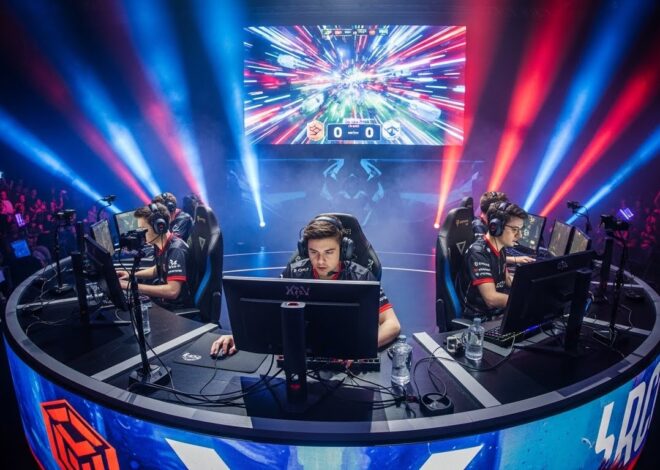
Esports has developed into a legitimate career path for thousands of individuals worldwide. Professional players dedicate years to training, practicing, and perfecting their skills, often with guidance from coaches, analysts, and nutritionists. Successful esports athletes can earn substantial incomes through tournament winnings, sponsorships, streaming, and content creation. Unlike traditional sports, esports careers allow players to directly engage with their audience through digital platforms, building personal brands and fan communities. This accessibility has democratized fame in ways previously unimaginable, allowing talented players from remote regions to achieve global recognition.
Cognitive and Mental Benefits of Esports
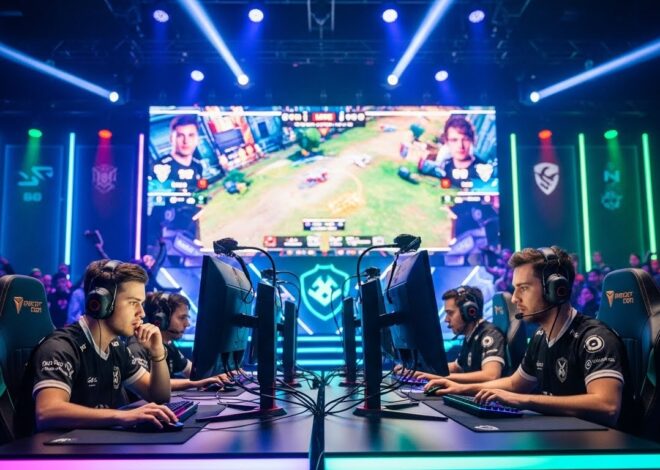
While esports may not demand physical exertion in the same way traditional sports do, it offers substantial mental and cognitive benefits. Competitive gaming requires rapid decision-making, strategic thinking, multitasking, and problem-solving under pressure. Players must anticipate opponents’ actions, analyze complex patterns, and adapt quickly to dynamic scenarios. Multiplayer games also foster teamwork, communication, and leadership skills, as players coordinate strategies and support each other during matches. Many studies indicate that when balanced responsibly, esports can enhance focus, cognitive flexibility, and resilience, demonstrating that gaming can be a rigorous mental exercise as well as entertainment.
The Social Impact of Streaming and Online Communities
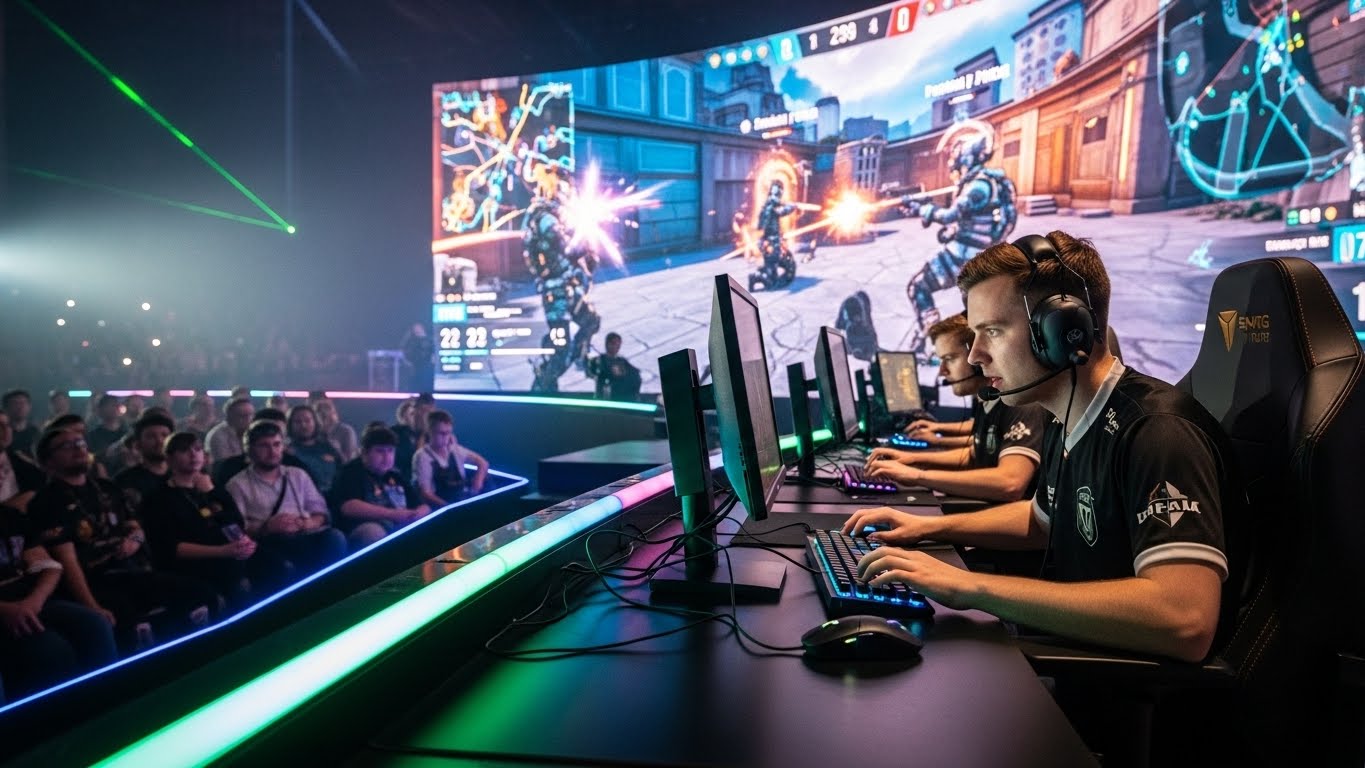
Streaming platforms and online communities have been crucial in the rise of esports. Platforms that allow live broadcasts of gameplay have given players the ability to showcase their skills, interact with fans, and build dedicated audiences. These platforms have created vibrant communities where gamers, fans, and aspiring professionals can share knowledge, celebrate achievements, and form meaningful social connections. The interactive nature of streaming also provides fans with a sense of inclusion, allowing them to influence content, participate in discussions, and feel connected to the competitive scene. Online communities have transformed esports from isolated gameplay into a social experience with global reach.
Major Tournaments and Global Recognition
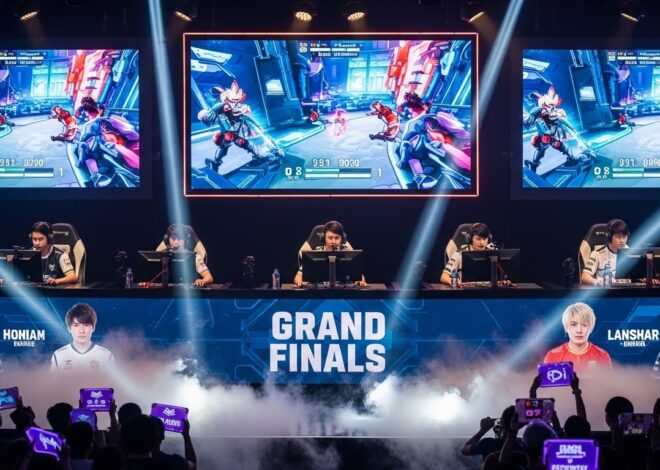
Esports tournaments are at the heart of the industry, attracting millions of viewers and significant investments. Events such as the League of Legends World Championship, The International for Dota 2, and the Fortnite World Cup have become global spectacles, rivaling traditional sporting events in production quality and fan engagement. Players face immense pressure in these competitions, requiring not only technical skill but also mental toughness and endurance. The scale and popularity of these tournaments have elevated esports to mainstream recognition, proving that competitive gaming can be as thrilling and culturally significant as any conventional sport.
Inclusivity and Accessibility in Esports
One of the most unique aspects of esports is its accessibility. Unlike traditional sports, success in esports is not limited by physical strength, age, or geographic location. This inclusivity allows individuals from diverse backgrounds, abilities, and circumstances to compete on a level playing field. The relatively low barrier to entry encourages participation from aspiring gamers, creating opportunities for talent discovery and personal growth. Additionally, esports promotes gender diversity and inclusion, with initiatives designed to encourage female players and other underrepresented groups to compete professionally.
Challenges and Industry Concerns
Despite its rapid growth, esports faces significant challenges. Player burnout, mental health issues, and online harassment are common concerns within the industry. The high-pressure environment, long practice hours, and constant public scrutiny can take a toll on professional gamers. Moreover, the esports ecosystem must address issues such as cheating, unfair practices, and sponsorship ethics to maintain credibility and sustainability. Recognizing these challenges is essential for creating a safe and supportive environment that prioritizes both player well-being and the integrity of competition.
Integration with Traditional Sports
Esports is increasingly intersecting with traditional sports, creating hybrid opportunities that blend physical and digital competition. Professional sports organizations are forming esports teams, creating virtual versions of games like soccer, basketball, and racing, and hosting tournaments that appeal to both gamers and traditional sports fans. This integration demonstrates how esports can expand the concept of sports in the digital age, offering new avenues for fan engagement, sponsorship, and entertainment. The collaboration between digital and physical sports is a testament to the evolving nature of competition in a connected world.
Technological Advancements and the Future of Esports
The future of esports is closely tied to technological innovation. Virtual reality, augmented reality, and artificial intelligence have the potential to transform gameplay, training, and spectator experiences. Immersive technologies could create more interactive competitions, while AI-driven analytics can help players improve performance and strategize effectively. Educational institutions are also beginning to recognize esports, offering scholarships, courses, and programs to nurture talent and develop professional skills. As technology continues to evolve, esports is poised to expand further, making competitive gaming more inclusive, engaging, and mainstream than ever before.
Cultural Impact and Global Influence
Esports has grown into a cultural force, shaping how people interact, socialize, and perceive competition. It has influenced fashion, music, entertainment, and digital media, creating a unique identity for gamers and fans. Global tournaments foster international collaboration and cultural exchange, connecting communities from different countries and backgrounds. Esports has also redefined role models and success stories, showing that strategic thinking, dedication, and creativity in digital spaces can have real-world impact. The cultural influence of esports demonstrates that its reach extends far beyond the screen, affecting lifestyles, values, and social trends worldwide.
Conclusion: Embracing Esports as a Transformative Force
Esports is far more than a pastime; it is a transformative force that redefines competition, community, and career opportunities. It challenges traditional notions of sports, offering mental, social, and professional benefits while fostering global connections. Players gain cognitive skills, teamwork experience, and personal growth, while fans enjoy interactive, inclusive, and immersive entertainment. Despite challenges such as mental health concerns and industry regulation, the growth and evolution of esports highlight its potential to shape culture, technology, and professional pathways. Embracing esports means recognizing the dedication, skill, and innovation it requires and celebrating the digital age’s new frontier of competition and collaboration. As esports continues to expand, it will redefine what it means to compete, connect, and succeed in the modern world, proving that the power of gaming goes well beyond the screen.