Pixels to Powerhouses: The Rise of Esports as a Global Cultural Phenomenon
Introduction: More Than Just Playing Games
Esports, once dismissed as a niche hobby for teenagers, has transformed into one of the fastest-growing industries in the world. What began in small internet cafés and local gaming tournaments has evolved into sold-out arenas, multi-million-dollar prize pools, and global fanbases that rival traditional sports. Today, esports is not just about playing video games competitively; it is a cultural movement, an entertainment industry, and a legitimate career path for millions of players, creators, and professionals worldwide.
This blog explores the evolution of esports, its ecosystem, its economic and social impact, and what the future holds for competitive gaming.
The Early Roots of Competitive Gaming
Competitive gaming existed long before the term “esports” became popular. In the late twentieth century, arcade competitions and early console tournaments laid the foundation for organized play. Gamers would gather to compete for high scores, recognition, and simple bragging rights. These early events were small in scale, but they captured the essence of competition and community that still defines esports today.
As personal computers and home consoles became more accessible, multiplayer gaming expanded rapidly. Local area network parties and online matchmaking systems allowed players to compete beyond their immediate surroundings. This technological shift transformed gaming from a solitary activity into a shared competitive experience.
The Birth of Modern Esports
The early 2000s marked a turning point for competitive gaming. Faster internet connections, improved game design, and the rise of online communities made large-scale competition possible. Games specifically designed for balanced competitive play attracted dedicated player bases. Organized leagues and tournaments began to appear, offering structured seasons, professional teams, and prize money.
Streaming technology played a crucial role in this evolution. Audiences could now watch matches live, follow their favorite players, and engage in real time. This visibility helped esports grow from an underground scene into a mainstream spectacle.
The Esports Ecosystem Explained
Esports is supported by a complex ecosystem that goes far beyond the players themselves. Professional teams employ coaches, analysts, managers, and support staff who work together to maintain peak performance. Game developers contribute by creating competitive environments, balancing gameplay, and organizing official tournaments.
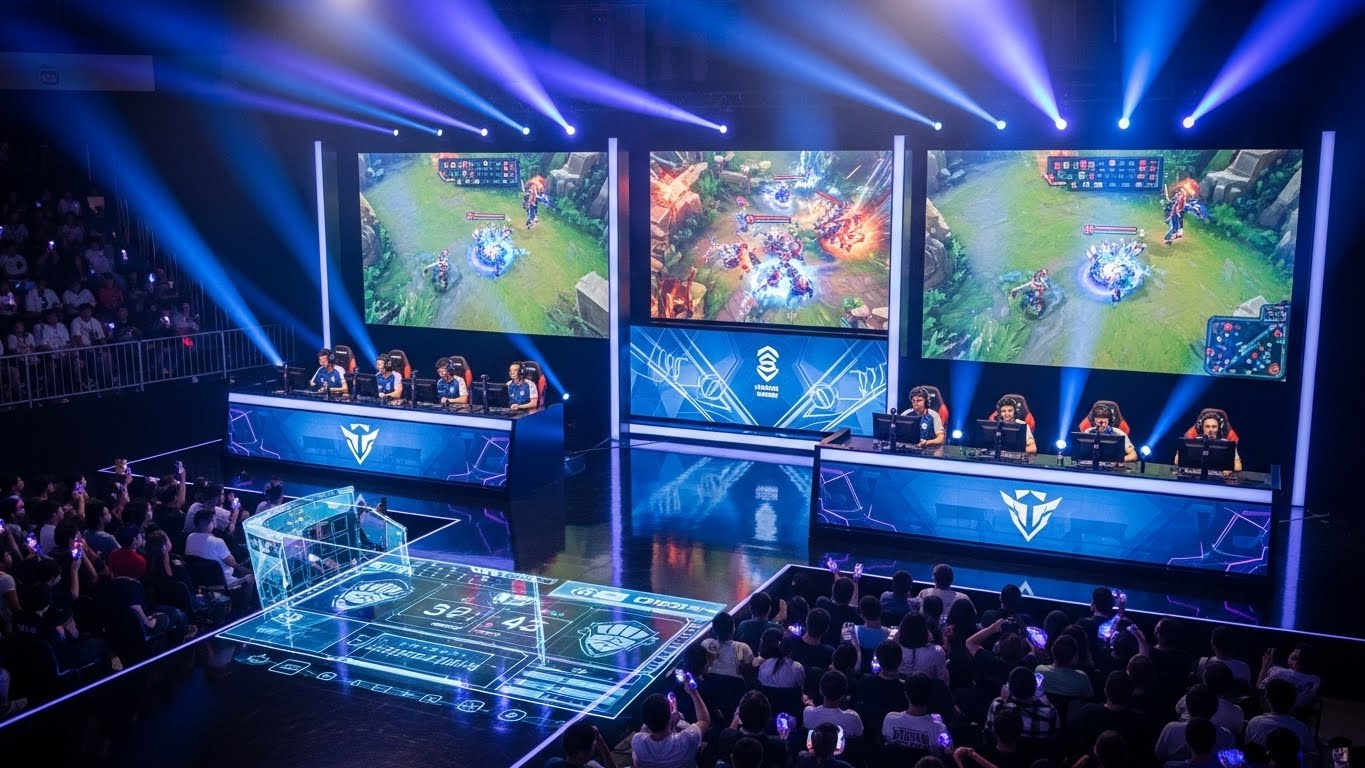
Event organizers handle logistics, production, and broadcasting, ensuring that competitions meet professional standards. Sponsors and advertisers invest heavily, recognizing esports as a powerful way to reach younger, digitally native audiences. Fans complete the ecosystem by providing viewership, community engagement, and long-term sustainability.
Players as Professional Athletes
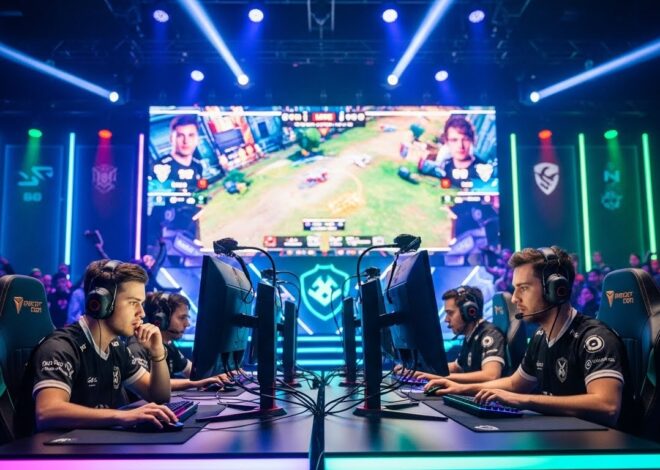
Professional esports players follow routines similar to traditional athletes. They practice for long hours, analyze opponents, and work on strategy and teamwork. Physical fitness, mental resilience, and discipline are essential, as reaction time, focus, and stress management directly impact performance.
Many players begin their careers at a young age, often retiring earlier than traditional athletes due to the intense demands of competition. Despite this, successful players can achieve fame, financial security, and influence comparable to sports stars.
The Role of Streaming and Content Creation
Streaming platforms have become inseparable from esports culture. Players and teams connect with fans by sharing live gameplay, behind-the-scenes moments, and personal stories. This direct interaction builds loyalty and turns players into global personalities.
Content creation has also opened alternative career paths. Not everyone needs to be a top-tier competitor to succeed in esports. Casters, analysts, streamers, and video creators contribute to the scene while building personal brands and sustainable incomes.
Esports and Youth Culture
Esports resonates deeply with younger generations who grew up with digital technology. It reflects their values of interactivity, inclusivity, and global connectivity. Unlike traditional sports, esports removes many physical barriers, allowing people from different backgrounds and regions to compete on equal footing.
This accessibility has helped esports become a platform for self-expression and identity. Fans support teams, celebrate players, and participate in online communities that feel personal and welcoming.
Economic Impact and Industry Growth
The esports industry generates revenue through sponsorships, advertising, media rights, merchandise, and ticket sales. Major brands across technology, fashion, food, and finance have entered the space, recognizing its commercial potential.
Cities and countries now compete to host major tournaments, boosting tourism and local economies. Educational institutions offer esports programs and scholarships, further legitimizing the industry and preparing the next generation of professionals.
Challenges Facing the Esports World
Despite its growth, esports faces several challenges. Player burnout, mental health concerns, and lack of standardized regulations remain pressing issues. The rapid pace of change can make careers unstable, and not all organizations provide adequate support systems.
There are also concerns about inclusivity, fair play, and long-term sustainability. Addressing these challenges requires collaboration between developers, teams, governing bodies, and the community.
Esports as a Spectator Experience
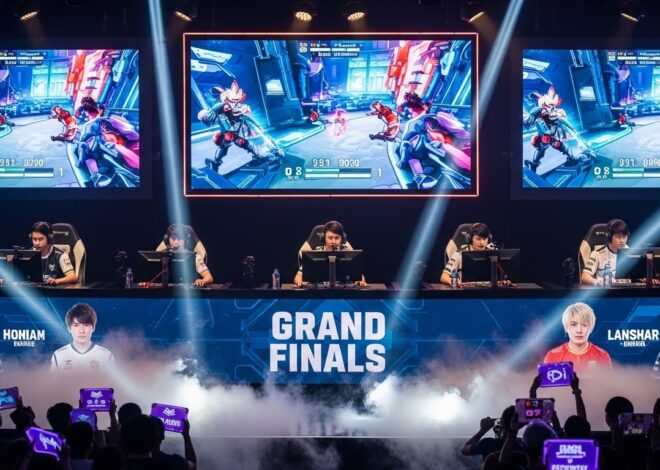
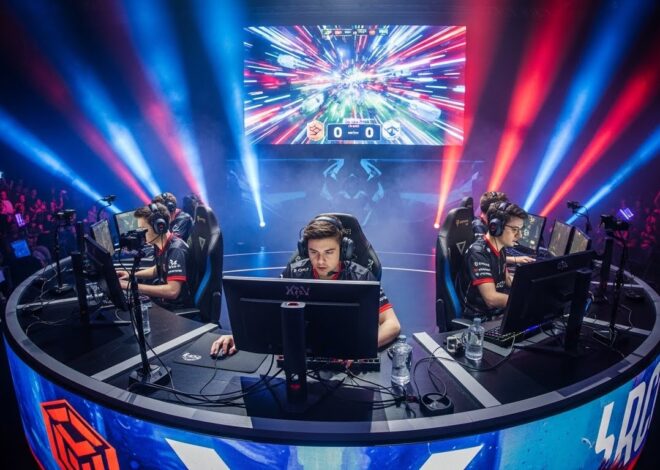
Watching esports is a unique experience that blends competition with entertainment. High-quality broadcasts, expert commentary, and immersive production make matches exciting even for casual viewers. Storylines, rivalries, and dramatic comebacks create emotional investment similar to traditional sports.
Fans engage through live chats, social media discussions, and fan-created content, making esports a participatory form of entertainment rather than a passive one.
The Future of Esports
The future of esports looks promising and dynamic. Advancements in technology such as virtual reality, augmented reality, and artificial intelligence are likely to reshape how games are played and watched. Crossovers between esports, music, fashion, and film will further integrate competitive gaming into popular culture.
As infrastructure improves and governance becomes more standardized, esports may continue to gain recognition alongside traditional sports on a global scale. Its ability to adapt, innovate, and connect with audiences ensures its relevance for years to come.
Conclusion: A New Era of Competition
Esports represents more than competitive gaming; it symbolizes a shift in how people play, watch, and connect through digital experiences. From humble beginnings to global dominance, esports has proven that passion, skill, and community can redefine entertainment.
As the industry matures, it will continue to challenge perceptions, create opportunities, and inspire millions around the world. Whether as players, fans, or professionals, people are no longer just playing games. They are participating in a global phenomenon that has permanently changed the landscape of competition and culture.