Rising Beyond the Screen: How Esports Became a Global Phenomenon
Introduction: A New Era of Competitive Entertainment
Not long ago, gaming was widely viewed as a casual pastime, associated more with leisure than serious competition. Today, esports has transformed into a global cultural and economic powerhouse. Competitive gaming now fills arenas, attracts millions of online viewers, and fuels a fast-growing industry built around skill, strategy, technology, and entertainment. This blog explores the evolution of esports, its impact on society, and how it continues to reshape the landscape of modern competition.
The Evolution of Competitive Video Gaming
Esports did not become a phenomenon overnight. Its roots stretch back decades, beginning with friendly arcade competitions. As technology advanced, so did the complexity and accessibility of games. Home consoles, personal computers, and the internet paved the way for global matchmaking and multiplayer environments that connected players across the world.
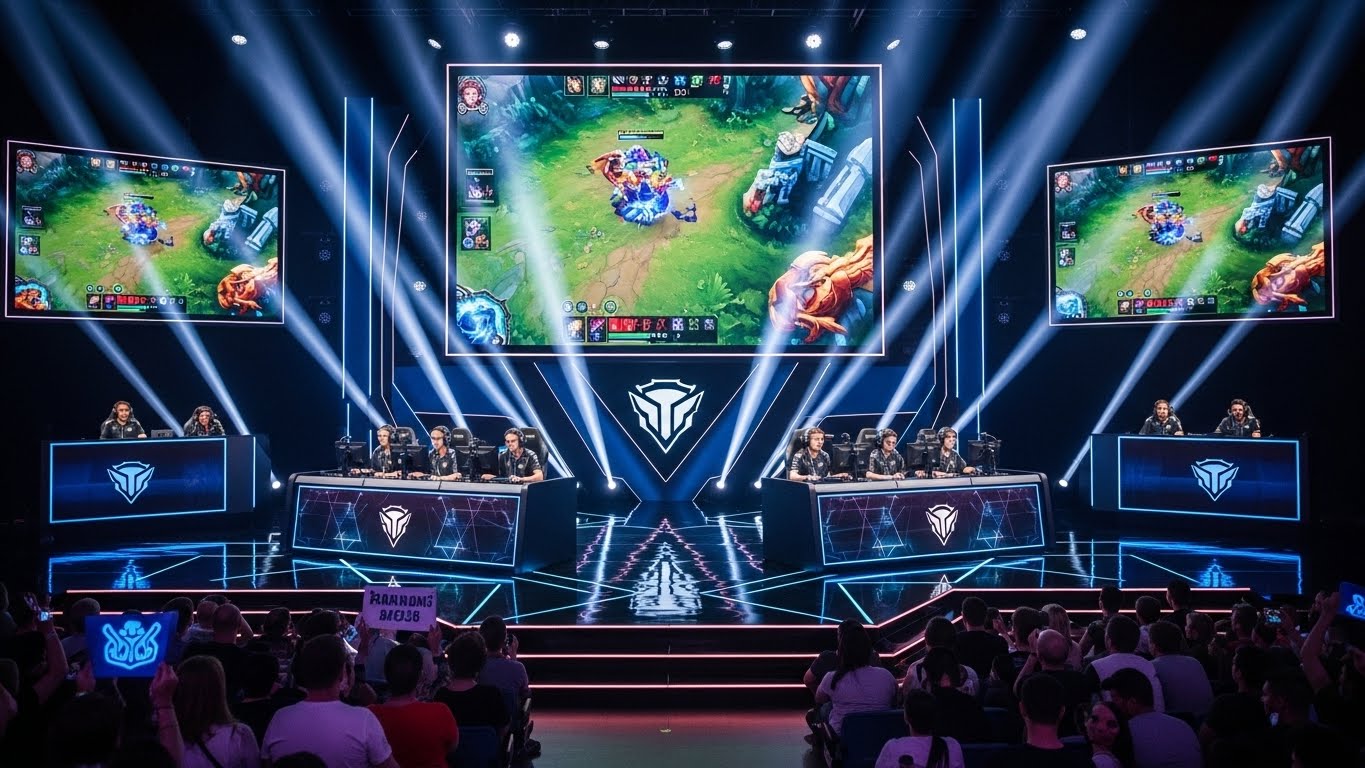
The early 2000s were a pivotal period. Faster internet connections enabled real-time multiplayer tournaments, while platforms that allowed players to stream their gameplay brought visibility to competitive gamers. What was once a niche hobby slowly evolved into a structured industry with leagues, sponsorships, and professional teams. By the 2010s, esports was being broadcast on major platforms, and tournaments began to resemble traditional sports events in scale and audience reach.
Why Esports Captivated the World
One reason esports exploded in popularity is its accessibility. Unlike many traditional sports which require physical facilities, gear, or travel, esports only requires a device and a stable internet connection. This opened the doors to millions of potential competitors and viewers who could participate or spectate from anywhere.
Another major factor is the variety of genres. From strategy titles to first-person shooters, battle royales, sports simulations, and multiplayer online battle arenas, there is something for everyone. Fans gravitate toward games that align with their interests, and because gameplay changes constantly with updates and patches, the competitive landscape never becomes stale.
Esports also thrives on its sense of community. Online platforms foster discussions, guides, fan art, and live commentary. Watching tournaments is not a passive activity; fans engage actively through chats, social platforms, and virtual experiences, making them feel like part of something larger.
The Rise of Professional Players and Teams
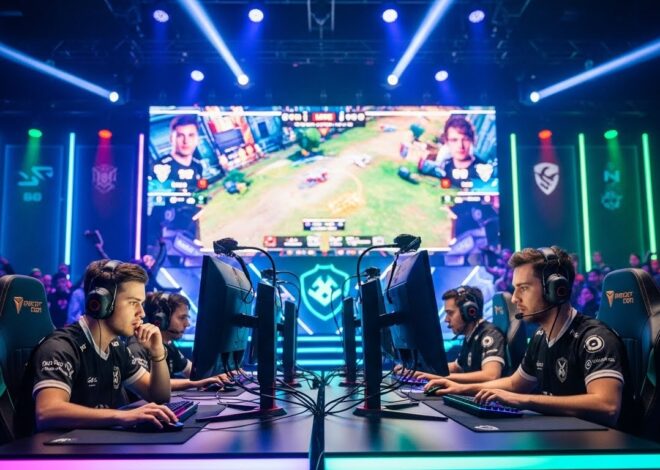
Professional gamers are now treated with the same admiration and respect once reserved for elite athletes. Many begin training at a young age, dedicating hours a day to refining their skills, studying opponents, and participating in scrimmages. Esports organizations offer structured environments with coaches, analysts, nutritionists, and training facilities.
Teams build their brands much like traditional sports franchises. They sign contracts, develop merchandise, and compete in regional and international leagues. High-stakes tournaments offer significant prize pools that not only reward top-tier performance but also attract media coverage and sponsorship deals. For many young players, esports now represents a legitimate career path that blends passion with professionalism.
The Spectator Experience: A New Kind of Audience
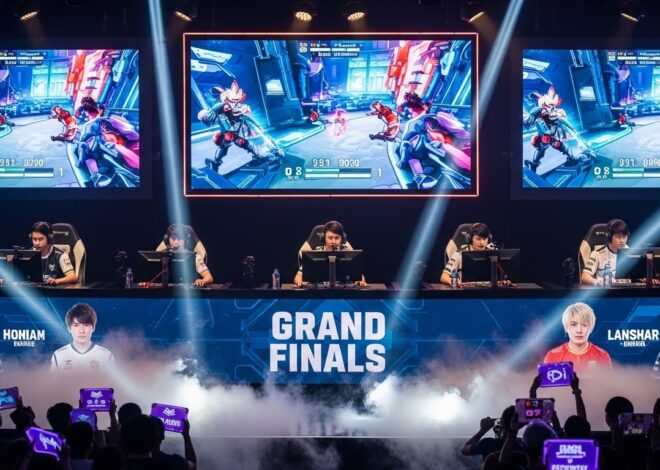
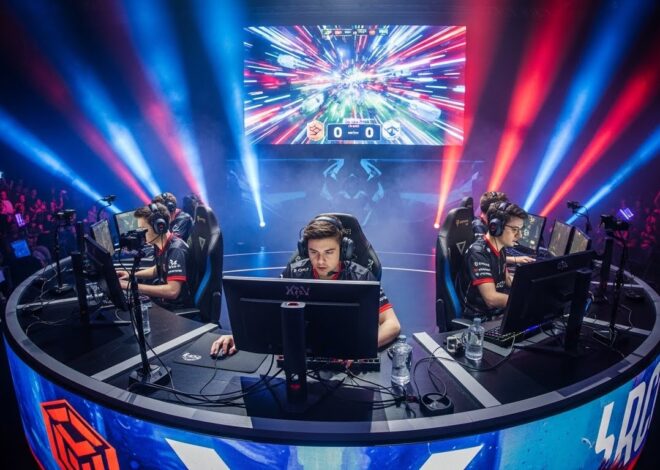
Esports spectatorship differs from traditional sports yet retains many familiar elements. Fans cheer for their favorite teams, track player stats, and debate strategies. However, esports offers dynamic visual experiences that are only possible in digital environments. Camera angles, instant replays, animated effects, and detailed overlays provide viewers with rich insights into the unfolding action.
Commentators, often referred to as casters, play a huge role in enhancing the viewing experience. They break down complex mechanics, highlight key turning points, and infuse emotional energy into every match. This creates an immersive environment that keeps viewers engaged, even if they are not active players of the game.
The Economic Impact of Esports
The esports industry generates billions in revenue each year through sponsorships, advertisements, merchandise, media rights, in-game purchases, and ticket sales for live events. Corporate brands across industries—from technology to fashion—invest heavily in esports marketing, recognizing the strong influence gamers hold in digital culture.
Streaming platforms, production studios, and gaming publishers all play critical roles in expanding the ecosystem. This has created an array of new job opportunities, including event organizers, shoutcasters, analysts, managers, content creators, and marketing specialists. Esports is not just about the players; it is an entire industry built around creativity, technology, and entertainment.
Education and Esports: A Growing Partnership
In recent years, educational institutions have embraced esports as a tool for student engagement and development. Schools and universities now host esports clubs, competitive teams, and even academic programs related to gaming management, game design, and digital media.
Some institutions offer scholarships to talented players, similar to traditional sports scholarships. These programs help students develop teamwork, strategic thinking, communication skills, and technical expertise. Through structured competition, students discover new career paths and gain experience in a thriving digital industry.
Mental and Physical Preparation in Esports
While esports requires less physical strength than traditional sports, it demands exceptional mental endurance and fine motor skills. Professional players must maintain sharp reflexes, strategic thinking, and sustained focus. Many teams employ sports psychologists to help players manage stress, maintain confidence, and avoid burnout.
Physical fitness is also becoming increasingly important. Players engage in exercise routines to improve posture, prevent injury, and sustain longer practice sessions. A balanced lifestyle helps them compete at peak performance, reinforcing the idea that esports athletes must care for both body and mind.
Challenges Facing the Esports Industry
Despite its rapid growth, esports faces several challenges. Player burnout is a significant concern, as intense practice schedules and global travel can take a toll on mental health. The industry also grapples with the need for improved regulations around contracts, age restrictions, and tournament rules.
Toxic behavior and online harassment remain issues within gaming communities. Many organizations and developers are working toward creating safer, more inclusive environments for players and fans. Another ongoing challenge involves maintaining fair competition, which requires continuous efforts to prevent cheating and ensure game integrity.
The Future of Esports: What Comes Next
The future of esports is filled with possibility. Virtual and augmented reality may introduce new forms of immersive competition. Cross-platform play will likely continue expanding, allowing more players to compete regardless of device. The integration of artificial intelligence may revolutionize training methods, offering advanced analytics and personalized feedback.
Esports may also grow in legitimacy alongside traditional sports, with increased participation in international events. National teams, youth development programs, and standardized regulations could elevate competitive gaming to new heights.
Beyond competition, esports will continue shaping digital entertainment. Documentaries, animated series, and dedicated TV broadcasts are already part of mainstream media. As gaming culture becomes increasingly influential, esports will remain at the forefront of this cultural shift.
Conclusion: More Than Just a Game
Esports represents much more than competitive video gaming. It is a phenomenon that bridges cultures, fosters creativity, and builds global communities. It offers opportunities for players, creators, educators, and businesses. Most importantly, it showcases how digital worlds can inspire real-world passion and connection.
What began as a simple pastime has evolved into a global movement. Esports is not merely the future of entertainment—it is a defining force of our digital age, proving that competition can thrive anywhere, even beyond the boundaries of a screen.