The Evolution and Impact of Esports: From Niche Hobby to Global Phenomenon
Introduction: The Rise of a Digital Revolution
In the early days of gaming, few could have predicted that video games would one day command global audiences rivalling traditional sports. Esports, short for electronic sports, has evolved from small gatherings of arcade enthusiasts to a massive international industry with million-dollar tournaments, celebrity players, and professional organizations. What began as a pastime in dimly lit gaming rooms has transformed into a legitimate competitive discipline, drawing players, fans, sponsors, and media from every corner of the world. The rise of esports reflects not only the growth of gaming as entertainment but also the cultural and technological changes that define our digital age.
The Early Days: Humble Beginnings of Competitive Gaming
The concept of competitive gaming is not new. The first known video game competition dates back to October 1972 at Stanford University, where students battled in a game called Spacewar for a year’s subscription to Rolling Stone magazine. Throughout the 1980s, arcade games like Pac-Man, Donkey Kong, and Space Invaders sparked the first wave of competitive gaming culture. Local arcades became battlegrounds where high scores were trophies and reputations were built one coin at a time. The 1990s saw the emergence of organized tournaments such as the Nintendo World Championships in 1990, which brought competitive gaming into mainstream awareness. Still, esports remained a niche subculture, largely limited by technological constraints and a lack of mass connectivity.
The Internet Era: The Birth of Modern Esports
The late 1990s and early 2000s were a turning point for gaming. With the rise of the internet, players could compete with others around the globe from their homes. Games like StarCraft, Counter-Strike, and Quake became the foundation of modern esports. South Korea, in particular, became the epicenter of this new digital competition. The government invested in internet infrastructure, leading to widespread broadband adoption, and gaming cafes—known as PC bangs—became social hubs. Televised StarCraft matches drew millions of viewers, transforming professional gamers into national celebrities. This laid the foundation for esports as both entertainment and career.
The Professionalization of Esports
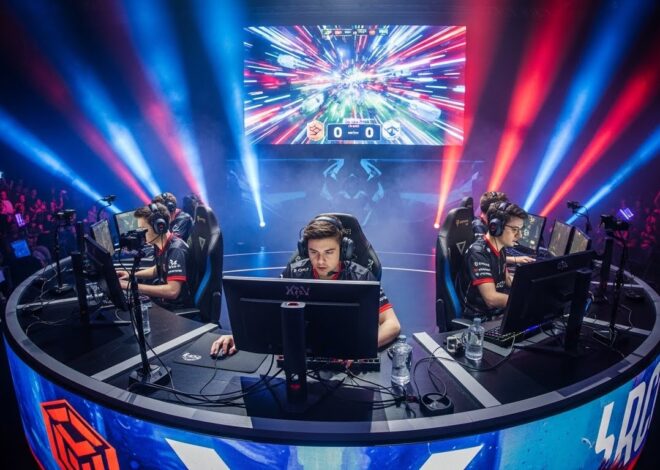
As technology improved and audiences grew, esports began to adopt the structure of traditional sports. Teams formed with managers, coaches, and sponsorships. Leagues and tournaments established rules, rankings, and standardized competition formats. Titles like Counter-Strike, Dota 2, and League of Legends became staples of the scene. Professional organizations such as Fnatic, Team Liquid, Cloud9, and SK Telecom T1 emerged as household names among gaming fans. With corporate sponsorships pouring in from brands like Intel, Red Bull, and Adidas, esports gained financial stability and legitimacy. The introduction of large-scale events like The International for Dota 2, the League of Legends World Championship, and the Overwatch League further solidified esports’ position as a global entertainment force.
The Esports Audience: A New Generation of Fans
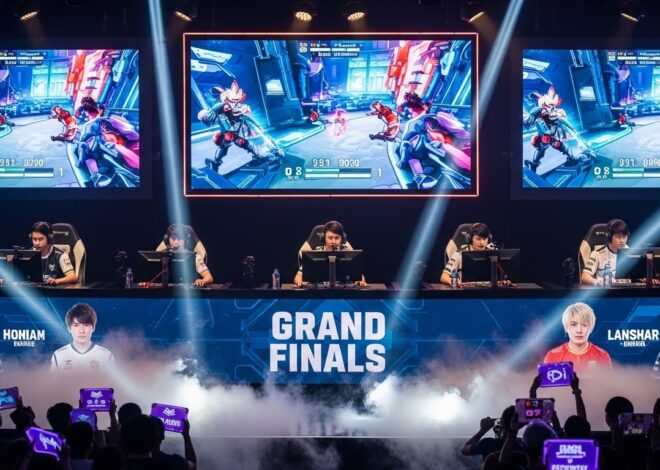
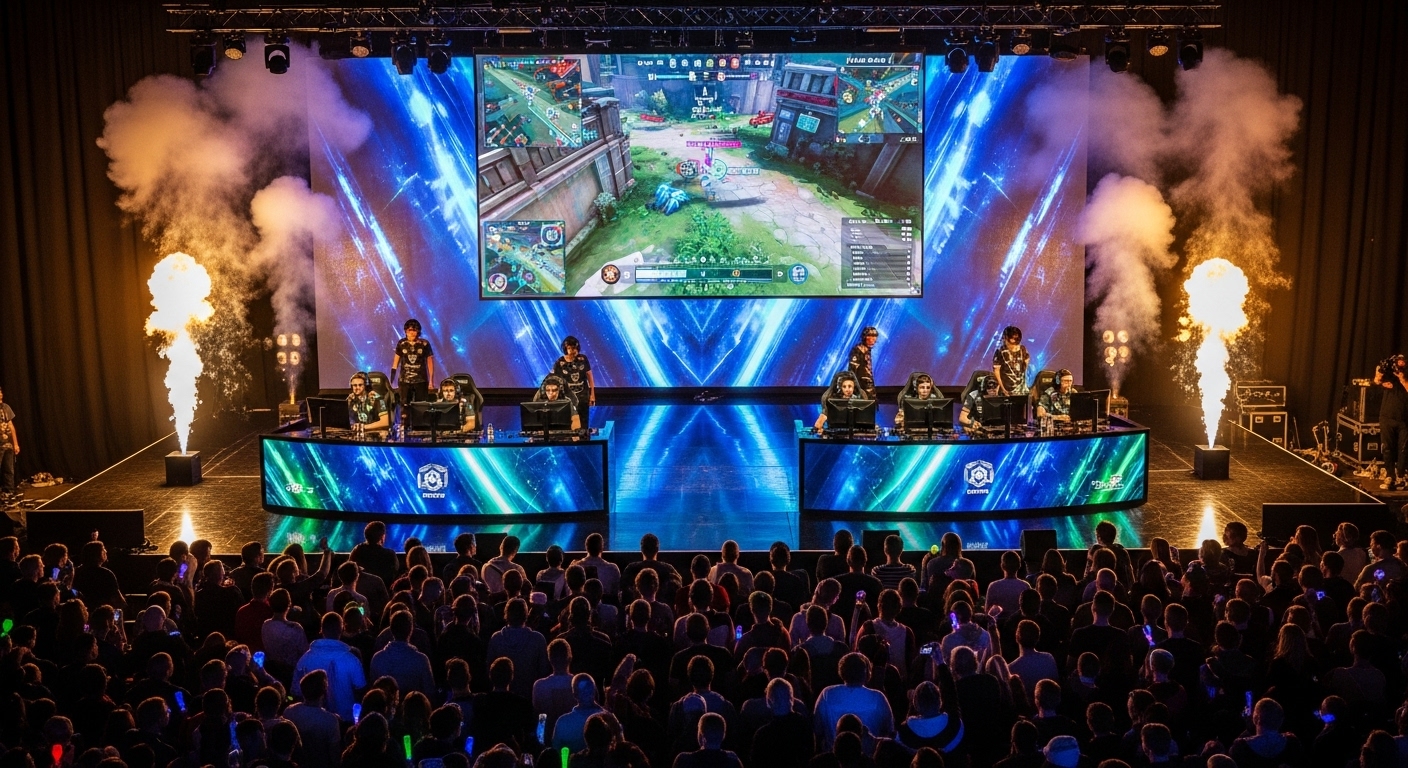
The audience for esports is unlike any other in modern entertainment. Predominantly young, tech-savvy, and globally connected, these fans consume content differently from traditional sports audiences. They prefer live-streaming platforms such as Twitch, YouTube Gaming, and Facebook Gaming over television broadcasts. Interactivity is central to their experience—chat participation, meme culture, and community engagement blur the lines between spectator and participant. Esports events attract both online and offline crowds. Major tournaments fill arenas like Madison Square Garden and the Staples Center, with roaring fans cheering on their favorite teams just as passionately as any traditional sports supporter. The 2018 League of Legends World Championship drew more viewers than the Super Bowl that year, demonstrating the incredible reach of esports.
The Games that Define the Scene
Different games define different eras and audiences within esports. Real-time strategy titles like StarCraft pioneered the concept of competitive balance and strategic depth. First-person shooters such as Counter-Strike, Call of Duty, and Overwatch emphasize reflexes, teamwork, and communication. Multiplayer online battle arenas (MOBAs) like League of Legends and Dota 2 showcase intricate strategy and long-term coordination. Meanwhile, fighting games like Street Fighter, Super Smash Bros., and Tekken highlight individual skill and precision. In recent years, battle royale games like Fortnite and Apex Legends, as well as sports simulations like FIFA and NBA 2K, have broadened the esports landscape even further. Each genre brings its own communities, heroes, and legends to the table, making esports as diverse as it is dynamic.
The Economics of Esports
Behind the screens and controllers lies a billion-dollar industry. Esports revenue streams include sponsorships, advertising, media rights, ticket sales, and merchandise. Prize pools for major tournaments often reach staggering amounts—the Dota 2 International 2021 prize pool exceeded $40 million. Sponsorship remains the primary revenue source, as brands see esports as a way to reach younger, digitally native consumers. Organizations also rely on streaming deals and branded content to sustain operations. In addition, universities and governments have begun recognizing esports as a legitimate field of study and competition, investing in training programs, scholarships, and even official national teams. The economic growth of esports parallels that of traditional sports but with unique opportunities born from its digital nature—instant global reach, flexible monetization, and rapidly growing fan engagement.
The Esports Athlete: Skill, Dedication, and Discipline
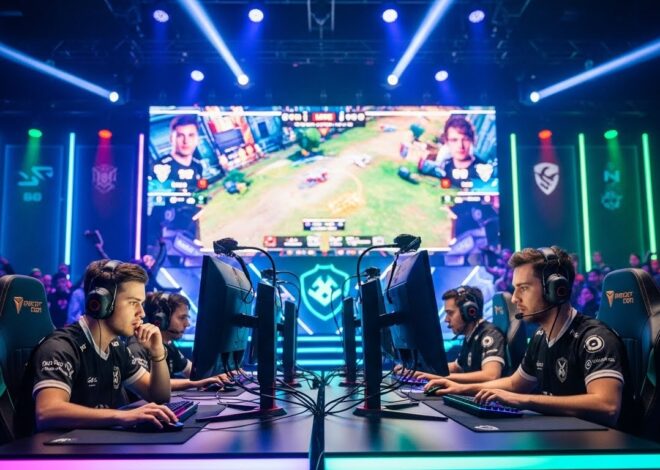
Contrary to stereotypes, professional esports athletes are far from casual gamers. Their training regimens rival those of physical athletes. Top-tier players spend ten to twelve hours a day practicing mechanics, reviewing gameplay footage, and coordinating strategies with teammates. Reaction time, decision-making, and mental resilience are essential attributes. Esports professionals must maintain physical health to prevent repetitive strain injuries and mental fatigue, leading many teams to hire nutritionists, sports psychologists, and physical trainers. The level of discipline and professionalism in esports has evolved significantly, transforming gaming from a hobby into a viable and respected career path.
The Role of Technology in Esports’ Growth
Technology is the heartbeat of esports. From high-speed internet connections to advanced gaming hardware, the ecosystem thrives on innovation. Streaming platforms have democratized access to competitive gaming, allowing anyone with a computer or smartphone to watch live matches. Social media amplifies reach, connecting fans directly to their favorite players. Virtual reality, artificial intelligence, and cloud gaming are poised to push esports into new dimensions. 5G connectivity promises even smoother gameplay and viewing experiences, enabling mobile esports to flourish. This technological synergy ensures that esports not only keeps pace with innovation but often leads it.
Esports as a Cultural Movement
Beyond competition, esports has become a cultural phenomenon that influences fashion, music, and entertainment. Popular players and streamers command massive online followings, rivaling traditional celebrities. Fashion brands collaborate with esports organizations to release streetwear collections. Music artists perform at major gaming events, such as Imagine Dragons and Zedd at League of Legends World Championships. The line between pop culture and gaming culture continues to blur, with esports sitting at the intersection of digital identity and creativity. Gaming slang, memes, and aesthetics have infiltrated mainstream media, reflecting how deeply esports resonates with modern youth culture.
Education and Esports: A New Academic Frontier
Esports is now finding a home within education systems. Universities across North America, Europe, and Asia have established varsity esports teams and offer scholarships for talented players. Courses in game design, esports management, and broadcasting prepare students for careers in this expanding industry. High schools are incorporating esports programs to teach teamwork, communication, and digital literacy. These initiatives reflect a growing recognition that esports is not just play—it is a gateway to skills and opportunities in technology, media, and business.
The Business Side: Teams, Brands, and Organizations
The structure of esports organizations resembles that of traditional sports franchises. Teams sign players, negotiate sponsorships, and compete in leagues. Major organizations have diversified into content creation, lifestyle branding, and community engagement. Esports companies build their identity through storytelling, fan loyalty, and consistent performance. Brand collaborations are key—luxury fashion labels, tech companies, and beverage brands all see value in esports partnerships. Some teams even expand into other entertainment areas, such as music production or event hosting, turning esports into a multifaceted business empire.
The Global Stage: Esports Around the World
While esports has roots in North America and Asia, it is now a truly global phenomenon. South Korea remains a powerhouse, particularly in titles like League of Legends and StarCraft. China boasts massive audiences and government support, with arenas built specifically for esports events. Europe produces elite teams across multiple games, while North America has embraced franchised leagues similar to traditional sports models. In emerging regions such as Southeast Asia, Latin America, and the Middle East, esports is expanding rapidly due to mobile gaming accessibility. This international diversity strengthens esports’ cultural appeal and demonstrates the unifying power of gaming.
Challenges Facing Esports
Despite its meteoric rise, esports faces challenges that must be addressed to ensure sustainable growth. Player burnout, lack of standardized regulation, and inconsistent prize distribution are ongoing issues. Match-fixing, doping, and online harassment threaten competitive integrity and player welfare. Furthermore, the volatility of gaming titles—where popularity can shift rapidly—creates instability for organizations and leagues. The industry also grapples with gender inequality, as female players and professionals continue to face barriers and discrimination. Addressing these challenges will be crucial for esports to mature responsibly and inclusively.
The Future of Esports Broadcasting and Media
Esports broadcasting has transformed the way audiences consume entertainment. Commentary, production value, and fan interaction rival traditional sports broadcasts. Live analytics, instant replays, and augmented reality overlays enhance the viewing experience. As virtual production and AI-driven analytics improve, esports coverage will only become more immersive. Major media companies are recognizing its value, integrating esports content into mainstream programming and streaming services. The convergence of gaming, media, and technology signals a future where esports will stand as a cornerstone of digital entertainment.
The Role of Community in Esports Sustainability
At its core, esports thrives on community. Fans do more than watch—they participate, create content, and shape the culture. Online forums, fan art, cosplay, and grassroots tournaments keep the ecosystem vibrant. Community-driven events foster inclusivity and accessibility, ensuring that esports remains connected to its roots. The sense of belonging within gaming communities helps explain why esports resonates so deeply across generations and cultures. It’s not just about winning or losing—it’s about connection, identity, and shared passion.
Government and Institutional Recognition
Many governments now recognize esports as an official sport or cultural activity. Countries like South Korea, China, and the Philippines have national esports associations that oversee regulations and international representation. Esports has even been included as a medal event in the 2022 Asian Games, signaling growing legitimacy. Governments see esports as both an economic opportunity and a form of youth engagement. As institutional support grows, esports will gain further integration into mainstream sporting ecosystems.
The Future Outlook: Where Esports Is Headed
Looking ahead, the future of esports seems boundless. The rise of new technologies such as virtual reality, augmented reality, and blockchain gaming will redefine how players and fans interact. Mobile esports will continue to dominate emerging markets, while traditional sports organizations will deepen their involvement through partnerships and hybrid events. The line between gaming and real-world sports will continue to blur as virtual arenas, holographic displays, and AI-driven coaching enter the scene. Esports will also become increasingly inclusive, with efforts to promote diversity, accessibility, and gender equality gaining momentum. What started as a hobby has evolved into a defining pillar of modern entertainment and will continue to shape global culture for decades to come.
Conclusion: The Legacy of Esports
Esports is more than competition—it is a symbol of the digital generation’s creativity, ambition, and global unity. From basement LAN parties to sold-out arenas, its journey reflects how technology transforms not only how we play but how we connect as human beings. It bridges cultures, languages, and continents through a shared love of games. As esports continues to evolve, its impact will stretch far beyond screens and controllers—it will inspire innovation, community, and a new understanding of what it means to compete. The digital athletes of today are not just playing for victory; they are building the cultural legacy of tomorrow.