The Evolution of Esports: From Hobby to Global Phenomenon
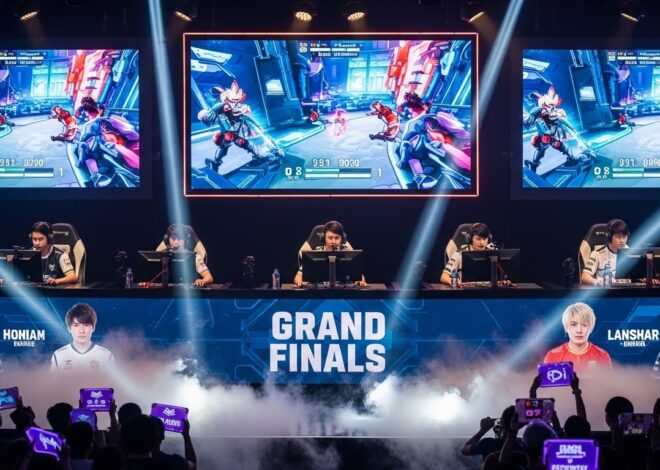
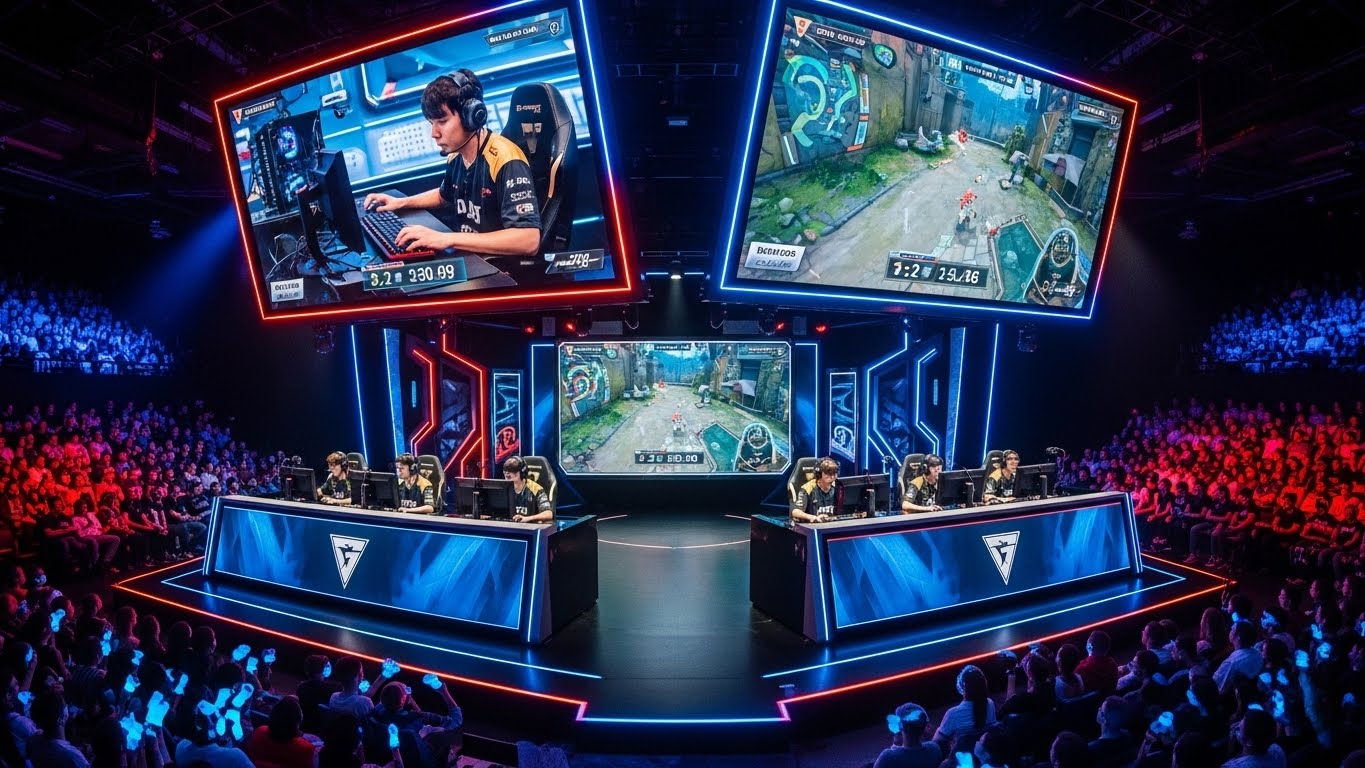
Esports has come a long way since its humble beginnings as a niche activity for hardcore gamers. Today, it’s a multi-billion-dollar industry that is capturing the attention of millions of fans around the world. What was once a hobby shared by a small community of enthusiasts has now transformed into a global entertainment spectacle, with tournaments drawing crowds that rival traditional sports events. In this blog post, we’ll dive into the rapid evolution of esports, exploring its origins, rise in popularity, key players, and the future of competitive gaming.
The Humble Beginnings of Esports
The roots of esports can be traced back to the early days of video gaming itself. In the 1970s and 1980s, arcade games like Pong and Space Invaders introduced players to the concept of competition. These games, though simplistic by today’s standards, were among the first to spark interest in competitive gaming.
However, it wasn’t until the late 1990s and early 2000s that esports began to emerge as a formalized competitive scene. The rise of multiplayer online games like StarCraft, Quake, and Counter-Strike laid the foundation for organized competitions. In South Korea, where the gaming culture was already well-established, StarCraft tournaments began to attract large audiences, both online and in-person. The phenomenon grew so big that it eventually became a part of the country’s national culture.
In the West, early events like the Cyberathlete Professional League and World Cyber Games started to bring competitive gaming to a wider audience. While these events were still relatively small and niche, they showcased the potential for competitive gaming to evolve into a full-fledged sport.
The Rise of Streaming and Online Platforms
One of the key factors that propelled esports into the mainstream was the advent of streaming platforms like Twitch. Launched in 2011, Twitch quickly became the go-to destination for gamers to showcase their skills, interact with fans, and watch live competitive gaming events. The platform’s ease of access and real-time interaction between streamers and viewers played a pivotal role in fostering a global esports community.
As streaming became more popular, so did the exposure of esports events. Major tournaments like The International (Dota 2) and League of Legends World Championship began to stream live on Twitch, attracting millions of viewers from around the world. These events showed that esports was more than just a hobby for a select few—it was a global phenomenon that could rival traditional sports in terms of viewership and engagement.
The ability for gamers to broadcast their gameplay on platforms like Twitch allowed for the rise of professional streamers, many of whom built massive followings and eventually became household names in the gaming community. Personalities like Ninja, Shroud, and Pokimane grew their audiences by streaming regularly, often earning substantial revenue through subscriptions, sponsorships, and donations. As these influencers became more prominent, they helped bring esports into the mainstream, drawing in viewers who may have never considered competitive gaming before.
The Mainstream Popularity of Esports
As streaming platforms gained traction, so did the popularity of competitive gaming. Esports began to move beyond niche circles and attract attention from mainstream media, brands, and investors. Today, major sports networks like ESPN and Fox Sports regularly broadcast esports tournaments, and even traditional sports teams are entering the esports arena.
One of the most significant events in the growth of esports was the acquisition of major esports organizations by traditional sports teams. For example, in 2018, the NBA’s Dallas Mavericks invested in Team Envy, one of the top esports organizations in the world. Similarly, soccer clubs like Paris Saint-Germain and Manchester City have expanded their operations into esports, creating their own teams to compete in popular titles like FIFA and PES.
Brands, too, have recognized the potential of esports as a marketing tool. Major companies like Coca-Cola, Intel, and Red Bull have sponsored tournaments, teams, and individual players. These partnerships have not only provided financial support for the esports ecosystem but also increased the visibility of competitive gaming among general audiences.
Esports is now a billion-dollar industry, with revenues coming from various sources, including media rights, sponsorships, ticket sales, and merchandise. It’s no longer just a hobby or a subculture; it’s a thriving business with a global audience. The professionalization of the scene, with the rise of esports organizations and leagues, has made competitive gaming an attractive career option for many young players.
Esports and the Global Audience
One of the most fascinating aspects of esports is its global appeal. Unlike traditional sports, where geographic location often plays a key role in the level of competition and fan interest, esports transcends borders. Players from all corners of the world can compete against each other, and fans from different countries can tune in to watch these players in real-time.
Games like League of Legends, Dota 2, and Counter-Strike: Global Offensive have massive international followings, and their tournaments regularly attract global audiences. In fact, The International, a Dota 2 tournament, has broken multiple viewership records, surpassing even some traditional sports events in terms of online viewers.
Esports’ global reach is also made possible by the digital nature of the industry. Fans can watch tournaments online without the need for travel, and gamers can compete from the comfort of their own homes. This accessibility has made esports one of the fastest-growing entertainment sectors in the world, especially among younger audiences.
Additionally, esports has created a unique form of cross-cultural exchange. Players from different countries bring their own strategies, playstyles, and personalities to the games they compete in, enriching the esports experience for everyone involved. This has helped foster a sense of global community among fans and players alike, with many forming friendships and networks that transcend language and cultural barriers.
The Role of Major Esports Titles
The esports industry is driven by a small group of major game titles, each with its own dedicated player base and fan following. These games are at the heart of the esports ecosystem and help define the competitive scene. Some of the most popular esports titles include:
- League of Legends (LoL): This MOBA (multiplayer online battle arena) game is one of the most successful esports titles in history. Its professional leagues, such as the League of Legends Championship Series (LCS), have helped establish the game as a global phenomenon, with millions of viewers watching each year’s World Championship.
- Dota 2: Another MOBA, Dota 2 is known for its complex gameplay and highly strategic matches. The International is one of the most prestigious esports tournaments in the world, offering multi-million-dollar prize pools that draw top talent from all over the globe.
- Counter-Strike: Global Offensive (CS:GO): CS:GO is a first-person shooter (FPS) that has been a staple of competitive gaming for years. Its combination of strategy, teamwork, and individual skill has made it one of the most enduring esports titles.
- Fortnite: This battle royale game quickly became a cultural phenomenon upon its release. With its fast-paced gameplay and free-to-play model, Fortnite attracted millions of players and viewers, and its esports scene has grown rapidly, especially among younger players.
- Overwatch: A team-based first-person shooter that emphasizes hero-based gameplay, Overwatch has carved out its own niche in the esports world with its Overwatch League (OWL), a franchised league similar to traditional sports leagues like the NBA and NFL.
While these titles are the backbone of esports, the landscape is continually evolving, with new games entering the competitive scene and older ones evolving to maintain their relevance.
The Future of Esports: Challenges and Opportunities
While the growth of esports has been impressive, the industry faces its own set of challenges. One of the biggest hurdles is ensuring the sustainability of the competitive scene. As the number of tournaments and teams continues to grow, it’s important for organizations to find ways to maintain player health, prevent burnout, and build long-term career paths for professional gamers.
Another challenge is the ongoing issue of cheating and match-fixing. As esports grows in popularity and prize money increases, the temptation for some players to engage in unethical behavior has grown. To combat this, many organizations are implementing stricter anti-cheating measures and adopting more robust regulations to protect the integrity of the games.
Despite these challenges, the future of esports looks incredibly promising. With an ever-expanding fan base, increased investment, and continual technological advancements, esports is likely to continue growing in both scale and influence. We may even see esports included in future Olympic Games or other major international events, further solidifying its status as a mainstream sport.
Conclusion: A New Era of Competitive Entertainment
Esports has come a long way from its early days as a niche hobby. Today, it is a thriving industry that spans the globe, attracting millions of fans, players, and viewers. As technology continues to evolve and gaming culture continues to grow, esports will only become more ingrained in the global entertainment landscape.
With its combination of skill, strategy, and entertainment value, esports is more than just a passing trend—it’s a new era of competitive entertainment. Whether you’re a hardcore fan or just someone interested in learning more about this exciting world, one thing is clear: the future of esports is bright, and it’s here to stay.