The Expanding Universe of Esports: From Casual Gaming to Global Spectacle
Introduction
Esports has become one of the most significant phenomena in contemporary entertainment. What started as informal gaming among friends and small arcade tournaments has transformed into a global industry generating billions in revenue, attracting millions of viewers, and establishing careers for professional players. Esports, or electronic sports, combines strategy, skill, reflexes, teamwork, and entertainment into a unique competitive form that rivals traditional sports.
The rise of esports reflects broader technological and cultural trends. High-speed internet, powerful gaming hardware, and streaming platforms have enabled players and fans to connect in unprecedented ways. Esports is not just a game; it is a professional pursuit, a cultural movement, and a global entertainment ecosystem. This blog explores the origins, evolution, professionalization, popular games, cultural impact, economics, challenges, and future of esports, providing a comprehensive overview of this digital revolution.
Origins of Esports
Esports traces its origins to the early days of video gaming in the 1970s and 1980s. Arcades became the first arenas for competitive play, with players competing for high scores in games such as Space Invaders, Pac-Man, and Donkey Kong. These competitions, while small, demonstrated that gaming could be a competitive pursuit requiring skill, focus, and practice.
The 1990s saw the rise of PC gaming, which enabled online competition and broader participation. Games like StarCraft in South Korea and Quake in the United States established early competitive communities. South Korea, in particular, became a hub for esports, with StarCraft matches broadcast on television and professional leagues forming around the game. Internet connectivity allowed competitions to transcend local boundaries, creating early examples of global esports engagement.
Evolution of Esports Tournaments
Esports tournaments have grown tremendously over the past two decades. Early events were often organized by game developers or local communities and featured small audiences and modest prize pools. Despite these limitations, they laid the foundation for professional competitive gaming.
The advent of streaming platforms such as Twitch, YouTube Gaming, and Facebook Gaming transformed esports into a spectator phenomenon. Matches could be broadcast live to millions worldwide, creating shared experiences and community engagement. Tournaments like The International for Dota 2, the League of Legends World Championship, and the Fortnite World Cup introduced multi-million-dollar prize pools and gained mainstream media attention.
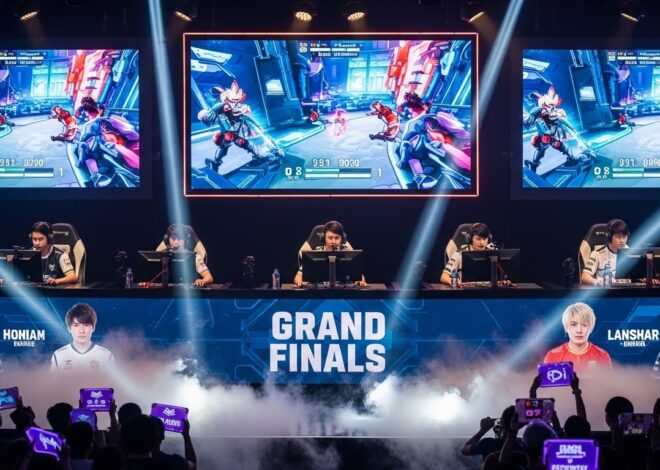
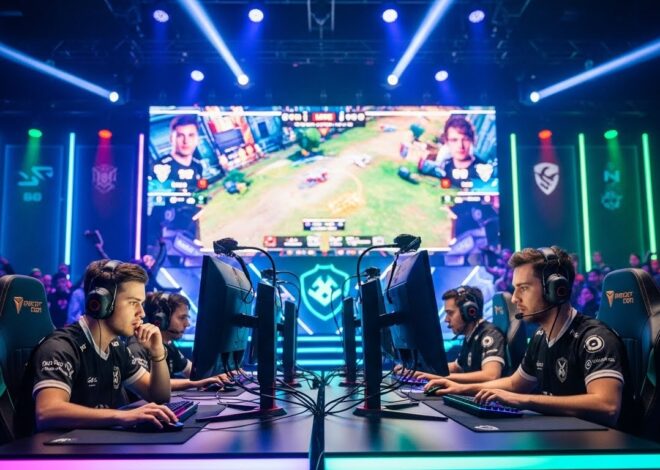
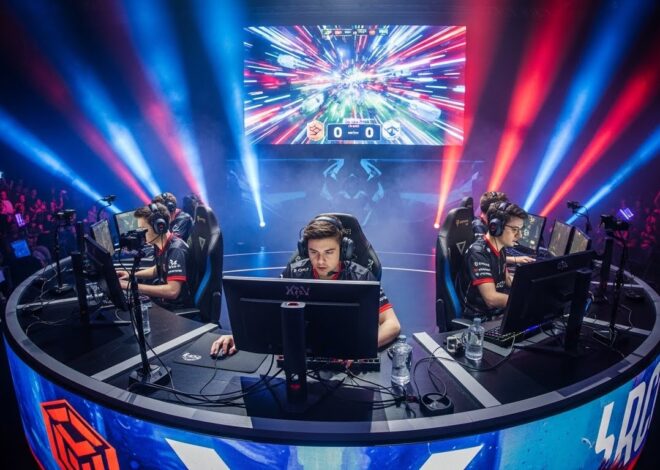
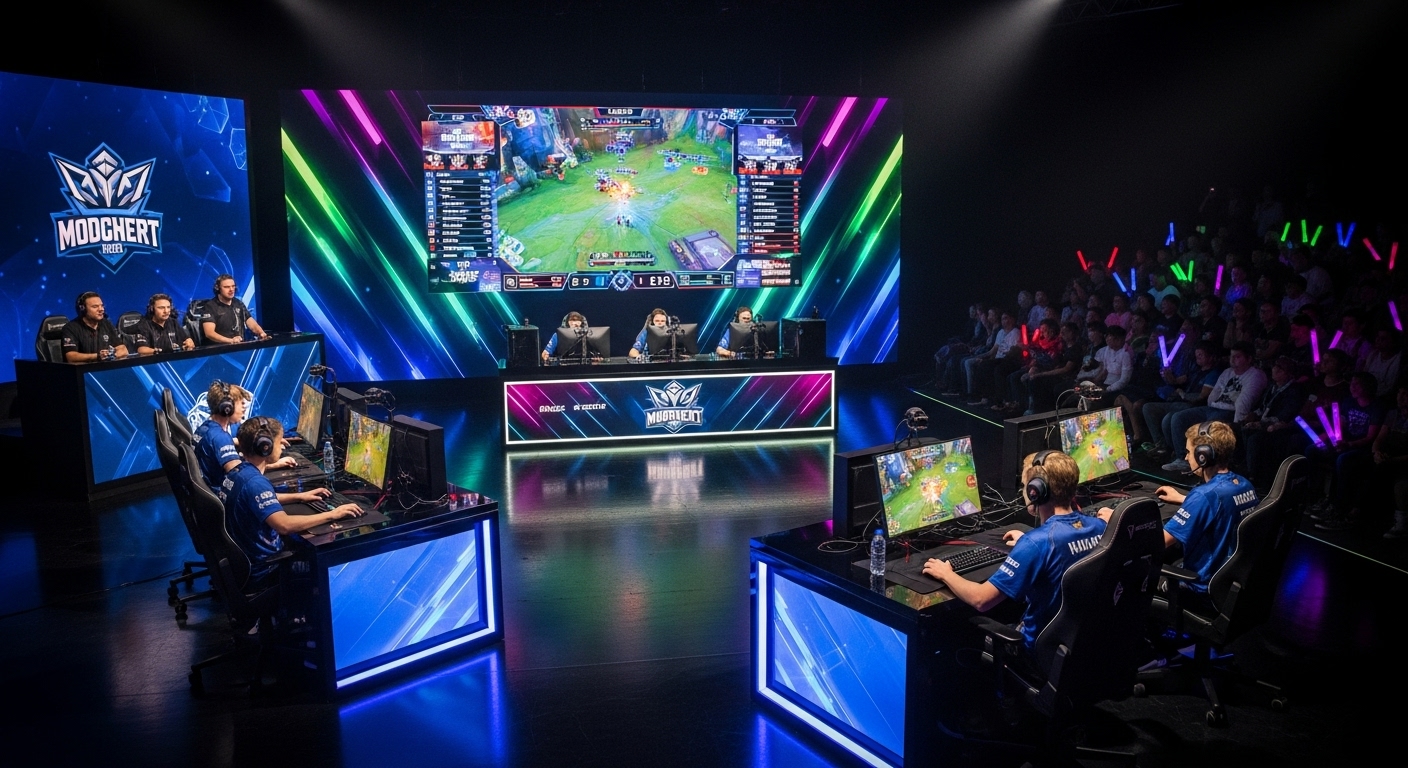
Modern esports tournaments are immersive events comparable to traditional sports. Large arenas host thousands of fans, elaborate stages and lighting create cinematic experiences, and professional commentators provide in-depth analysis. These events attract corporate sponsors, media coverage, and global audiences, solidifying esports’ place in mainstream entertainment.
Popular Esports Games and Genres
The esports ecosystem is diverse, spanning multiple genres that cater to various competitive styles. Multiplayer Online Battle Arena games, or MOBAs, such as League of Legends and Dota 2, require strategic planning, teamwork, and precise execution. First-person shooters like Counter-Strike: Global Offensive, Valorant, and Call of Duty emphasize reflexes, aim, and tactical decision-making.
Battle royale games, including Fortnite and PUBG, combine survival, strategy, and fast-paced action, appealing to younger audiences. Sports simulation titles like FIFA and NBA 2K bring real-world athletic competition into a digital environment, allowing players to compete virtually in familiar settings. Fighting games, rhythm games, and racing simulations further diversify esports offerings, ensuring that nearly every type of player can find a competitive niche.
The variety of games and genres ensures esports appeals to a broad demographic, encouraging fan engagement across multiple titles and fostering vibrant online communities.
Professionalization of Esports
Esports has become increasingly professionalized, with players following structured training routines comparable to those of traditional athletes. Professional players often train for eight to twelve hours daily, focusing on gameplay mechanics, team coordination, strategy, and physical and mental conditioning. Mental health has become a priority, with organizations providing support to manage the psychological demands of high-pressure competitions.
Teams now operate like traditional sports franchises, employing coaches, analysts, nutritionists, managers, and support staff to optimize performance. Professionalization has elevated esports into a viable career path, attracting global talent and inspiring younger players to pursue competitive gaming professionally. Organizations invest in infrastructure, marketing, and training facilities, ensuring sustainable growth and competitive integrity.
The Role of Streaming in Esports
Streaming platforms have been pivotal in esports’ rapid growth. Services like Twitch and YouTube Gaming allow audiences to watch live tournaments, player streams, and behind-the-scenes content. Viewers engage directly with players, participate in chat discussions, and develop a sense of community around their favorite teams and games.
Streaming has democratized esports participation. Amateur players can gain recognition, attract sponsorships, and transition into professional careers. Streamers create content, build fanbases, and cultivate communities, contributing to a rich and inclusive esports ecosystem. The interactivity of streaming enhances fan engagement, as viewers can analyze gameplay, watch multiple perspectives, and interact with commentators and players.
Cultural Impact of Esports
Esports has had a profound cultural influence, challenging traditional perceptions of sports and entertainment. It demonstrates that competitive gaming requires skill, discipline, and strategy. Gaming terminology, memes, and trends have permeated mainstream culture, influencing fashion, music, and social behavior.
Esports fosters international communities where players and fans connect across geographic and cultural boundaries. Online forums, social media groups, and fan events create collaborative spaces for discussion, strategy, and shared excitement. Esports has evolved into a cultural movement that emphasizes teamwork, inclusivity, and creativity while shaping the way younger generations experience competition and entertainment.
Education has also embraced esports. Universities now offer esports programs, scholarships, and research opportunities in game design, management, and strategy. These initiatives provide students with practical skills applicable within and beyond competitive gaming.
Economic Significance of Esports
The esports industry generates billions of dollars annually through sponsorships, merchandise, ticket sales, streaming subscriptions, advertising, and media rights. High-profile tournaments attract major brands, from technology companies to apparel and consumer goods, contributing to financial growth and sustainability.
Esports drives technological innovation. High-performance computers, peripherals, and broadcasting equipment support professional competition, benefiting multiple sectors beyond gaming. The industry also creates employment opportunities for players, coaches, analysts, content creators, event organizers, marketing professionals, and technical staff. As esports expands, it stimulates the global economy and opens new career pathways in digital entertainment.
Challenges Facing Esports
Despite its rapid growth, esports faces significant challenges. Player burnout is a major concern due to long practice hours, competitive pressure, and public scrutiny. Organizations are increasingly prioritizing mental health support and wellness programs.
Regulatory challenges also exist. Ensuring fair play, maintaining standardized rules across different regions, and preventing cheating remain complex issues. Technological disparities can create unequal opportunities, and cultural perceptions of esports vary, with some societies embracing professional gaming while others view it as a hobby.
Sustainability is another key challenge. The industry must balance commercial growth with player welfare, competitive integrity, and audience engagement. Addressing these challenges effectively is essential for long-term stability and growth.
The Future of Esports
The future of esports is bright, with technological innovation driving growth and immersive experiences. Virtual reality, augmented reality, and artificial intelligence will revolutionize gameplay, training, and viewing experiences. VR could create fully immersive competitions, while AI-powered analytics can optimize strategies and performance.
Esports will continue to integrate with mainstream entertainment, including collaborations with traditional sports, music, and film industries. International tournaments and professional leagues will further validate esports as a legitimate competitive platform.
Accessibility and inclusivity will play an important role in shaping the future. Initiatives promoting gender equality, cultural diversity, and opportunities for underrepresented communities will expand participation and enrich esports culture. Esports will continue to serve as a global platform for creativity, skill, and cultural exchange.
Conclusion
Esports has grown from a casual hobby into a global cultural, social, and economic phenomenon. It combines skill, strategy, teamwork, and entertainment, attracting millions of players and fans worldwide. Professionalization, streaming platforms, and technological innovation have elevated esports to a level comparable with traditional sports.
The industry has challenged perceptions of competition, created career opportunities, and fostered international communities. As technology advances and audiences expand, esports will remain a dynamic, influential, and inspiring force in entertainment.
Esports is more than gaming—it is a cultural revolution, a professional arena, and a testament to human creativity, skill, and connection in the digital age. The rise of competitive gaming demonstrates the potential of interactive entertainment to shape culture, inspire talent, and create shared global experiences.