The Rise and Evolution of Esports: A Digital Revolution in Competitive Gaming
Introduction to the World of Esports
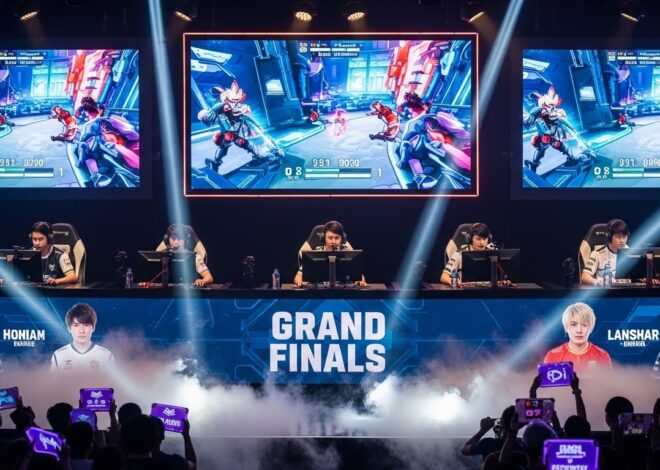
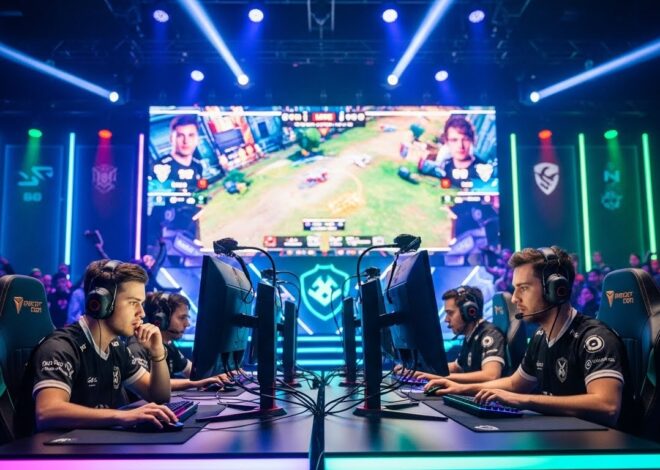
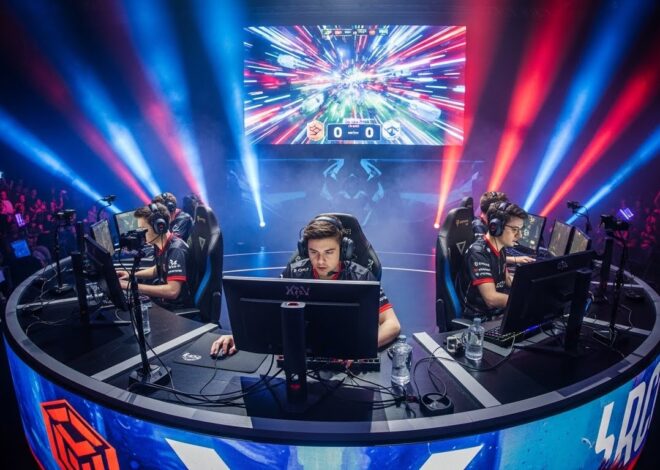
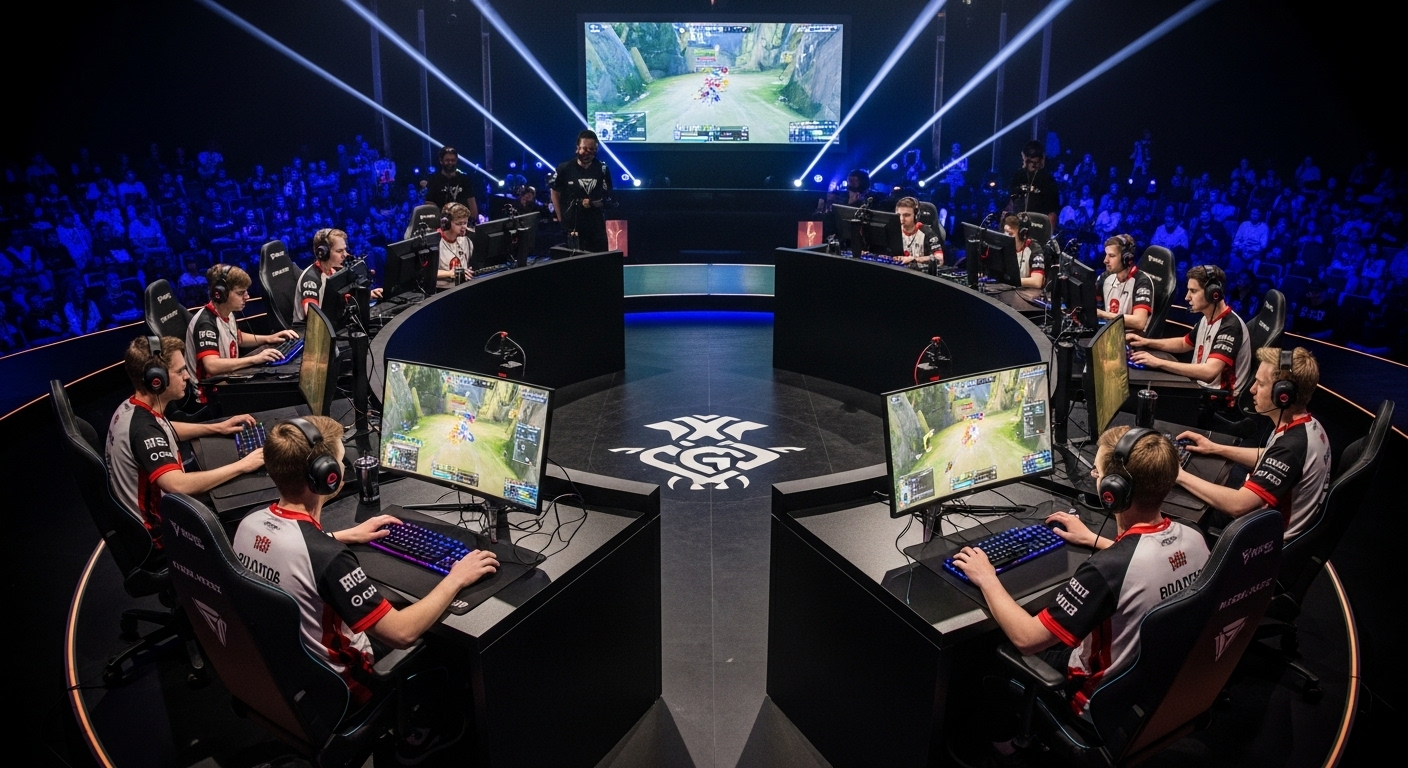
Esports, short for electronic sports, has transformed from a small, niche community of gamers into a massive global phenomenon. What began as friendly competitions among video game enthusiasts has evolved into a billion-dollar industry with professional teams, international tournaments, corporate sponsors, and millions of passionate fans. Esports has grown beyond entertainment; it has become a career path, a cultural movement, and a symbol of the digital generation. From strategy-based games to high-intensity shooters, esports has redefined how people perceive competition, teamwork, and technology in the modern age.
The Early Beginnings of Esports
The concept of competitive gaming can be traced back to the early days of arcade and computer gaming in the 1970s and 1980s. One of the earliest recorded gaming competitions took place at Stanford University in 1972, where students competed in a game called Spacewar!. The winner received a year’s subscription to Rolling Stone magazine, marking the humble beginnings of what would later become a global entertainment powerhouse.
In the 1980s, video games such as Pac-Man, Donkey Kong, and Space Invaders began to capture the public’s imagination. These arcade classics inspired local tournaments that attracted dedicated gamers eager to prove their skill. The Space Invaders Championship in 1980 drew thousands of players across the United States, showing the first signs that competitive gaming could have mass appeal. As technology advanced and home consoles became more common, competitive gaming started to gain traction beyond arcades.
The 1990s: The Birth of Organized Competitive Gaming
The 1990s marked a turning point for esports as gaming technology and the internet began to revolutionize the industry. Games like Street Fighter II, Quake, and StarCraft introduced fast-paced, competitive gameplay that encouraged organized tournaments. LAN parties—local area network gatherings where players connected their computers to compete—became the heart of gaming communities.
South Korea played a major role in the evolution of esports during this decade. As internet cafes, or “PC bangs,” became popular, competitive gaming found a natural home. South Korea’s government and media recognized the potential of gaming as a legitimate form of entertainment. The country invested in infrastructure, created professional leagues, and turned gamers into celebrities. This laid the groundwork for the professional esports scene we know today.
The 2000s: The Rise of Professionalism and Global Recognition
By the early 2000s, esports began to take shape as a structured and organized industry. Major tournaments emerged, offering large prize pools and sponsorship opportunities. Games like Counter-Strike, Warcraft III, and Halo became competitive staples, while organizations such as the Cyberathlete Professional League (CPL) and the Electronic Sports World Cup (ESWC) brought legitimacy to professional gaming.
Online streaming and broadband internet expanded the reach of esports, connecting players and fans across continents. The introduction of platforms for online multiplayer gaming transformed how people interacted with games. Players could now compete globally without being in the same location, fostering a truly international competitive scene.
During this era, esports also began to attract mainstream attention. Television networks started to broadcast select tournaments, and companies recognized the marketing potential of sponsoring teams and events. What was once a pastime was rapidly turning into a business.
The 2010s: The Esports Explosion
The 2010s witnessed an unprecedented explosion in esports popularity. The rise of platforms like Twitch and YouTube Gaming allowed millions of viewers to watch live competitions from anywhere in the world. The ability to interact with players and communities in real-time made esports accessible and engaging for a global audience.
Game developers began designing titles with esports in mind. Games like League of Legends, Dota 2, Overwatch, and Fortnite created ecosystems built around competitive play. These games offered not just thrilling gameplay but also structured leagues, professional organizations, and global tournaments.
League of Legends became one of the defining titles of this era, attracting millions of players and viewers worldwide. The annual League of Legends World Championship set viewership records, rivaling traditional sporting events. Similarly, Dota 2’s The International tournament introduced record-breaking prize pools, funded through community-driven contributions.
The 2010s also saw esports entering the mainstream cultural conversation. Universities began offering esports scholarships, arenas sold out for tournaments, and global brands such as Coca-Cola, Intel, and Nike started sponsoring teams and players. Esports was no longer confined to gaming enthusiasts; it had become a part of modern entertainment.
The Role of Technology in Esports Growth
Technology has been the foundation of esports’ success. The advancement of gaming hardware, high-speed internet, and live streaming platforms allowed esports to flourish. High-performance PCs, gaming consoles, and peripherals improved the quality of competition, while faster internet connections enabled global participation without significant lag.
The development of streaming technology was perhaps the most influential factor. Platforms like Twitch democratized content creation, allowing anyone to watch, stream, and engage with esports in real-time. This accessibility turned esports into a participatory culture rather than a passive one. Fans could chat with streamers, join communities, and even learn strategies directly from professionals.
Virtual reality, artificial intelligence, and data analytics are now shaping the next phase of esports. Teams use data analysis to study player performance and opponents’ strategies, much like traditional sports teams. The integration of technology continues to make esports more professional, dynamic, and immersive.
The Business and Economics of Esports
Esports is not just entertainment; it is a booming industry. Revenue streams come from sponsorships, media rights, merchandise, ticket sales, and in-game purchases. Major tournaments now offer prize pools worth millions of dollars, and professional players earn salaries, sponsorship deals, and streaming revenue.
Organizations such as Team Liquid, FaZe Clan, and T1 have built global brands with dedicated fan bases. These organizations operate much like traditional sports franchises, managing rosters, training facilities, coaches, and marketing teams. Esports has also created career opportunities beyond playing—commentators, analysts, event organizers, and content creators all contribute to the ecosystem.
The global esports market continues to grow each year, driven by increasing viewership and investment. The inclusion of esports in major multi-sport events, such as the Asian Games, has further legitimized it as a form of competitive sport. Governments and educational institutions are also investing in esports programs, recognizing its potential to drive innovation and economic growth.
The Psychology and Skills Behind Esports Success
Professional esports players possess a unique combination of mental sharpness, reflexes, and teamwork. Contrary to stereotypes, esports requires intense discipline, practice, and cognitive ability. Players must make split-second decisions, communicate effectively with teammates, and adapt strategies in real time.
The best players often train for hours each day, reviewing gameplay footage, analyzing opponents, and refining their techniques. Reaction time, hand-eye coordination, and situational awareness are critical skills. Moreover, mental resilience is essential, as players face immense pressure from fans, organizations, and competition.
Coaches and sports psychologists now play an important role in helping players maintain focus, manage stress, and build team chemistry. The professionalization of esports has brought attention to player health, nutrition, and work-life balance, ensuring longevity in what can be an intense career path.
Esports as a Cultural Phenomenon
Esports is not just about competition; it is about community. Fans connect through online platforms, fan clubs, and social media, forming global networks that celebrate their favorite teams and players. Esports events have become cultural gatherings where creativity, technology, and fandom collide.
Gaming conventions, cosplay, and fan art are integral parts of esports culture. Music artists, fashion brands, and celebrities have also embraced esports, bridging the gap between gaming and popular culture. This cross-industry collaboration has helped esports reach new audiences and reshape perceptions of gaming.
Esports has also challenged traditional ideas of sportsmanship and identity. It has provided a platform for inclusivity, allowing players of different backgrounds, genders, and nationalities to compete on equal footing. The digital nature of esports breaks down geographical barriers, uniting people through a shared passion for gaming.
The Educational and Career Impact of Esports
Esports has opened new pathways for education and careers. Universities around the world now offer esports-related degrees and scholarships, combining gaming with studies in business, technology, and media. Students learn about game design, marketing, event management, and psychology within the context of competitive gaming.
High schools and colleges are forming esports clubs and teams, encouraging teamwork, strategic thinking, and leadership. Educators are recognizing the potential of esports to teach valuable life skills, including communication, problem-solving, and digital literacy.
Beyond playing, careers in esports extend to coaching, broadcasting, journalism, production, and game development. The ecosystem is vast, offering opportunities for anyone passionate about gaming to contribute to the industry’s growth.
Challenges Facing the Esports Industry
Despite its success, esports faces several challenges. Player burnout, uneven regulation, and issues of cheating or match-fixing continue to affect the industry’s credibility. Maintaining player welfare is an ongoing concern, as long practice hours and travel schedules can lead to physical and mental strain.
The rapid commercialization of esports also raises questions about sustainability. Smaller organizations often struggle to compete with established teams backed by major corporations. Additionally, ensuring fair pay, gender equality, and diversity remains a priority for the industry’s future.
Another challenge is maintaining a healthy balance between competition and entertainment. While esports thrives on its fan engagement, the line between sport and spectacle can sometimes blur. Industry leaders must ensure that integrity and professionalism remain at the core of esports’ identity.
The Future of Esports
The future of esports looks incredibly promising. With the growth of technology, virtual reality, and artificial intelligence, the boundaries of what is possible continue to expand. Esports could soon incorporate new formats that blend the physical and digital worlds, creating experiences that push the limits of interactivity.
Esports may also play a greater role in traditional sports ecosystems. Professional teams in football, basketball, and racing are already investing in esports divisions, merging digital competition with real-world sports culture. This hybridization could redefine entertainment as a whole.
The inclusion of esports in global sporting events signals growing recognition and acceptance. As more governments and institutions embrace it, esports is set to become a permanent fixture in modern culture, education, and business.
Conclusion: The Legacy of Esports
From its humble beginnings in college dorms and arcades to massive arenas filled with roaring fans, esports has undergone a transformation unlike any other. It represents the fusion of technology, creativity, and competition in the digital age. Esports has not only created new forms of entertainment but also redefined what it means to be an athlete, a fan, and a community member in the 21st century.
As it continues to grow, esports stands as a testament to human innovation and passion. It shows that competition is not limited to physical arenas; it can thrive in the virtual world, bringing people together from across the globe. The story of esports is far from over—it is still being written, game by game, tournament by tournament, and generation by generation.