The Rise of Esports: A Modern Phenomenon
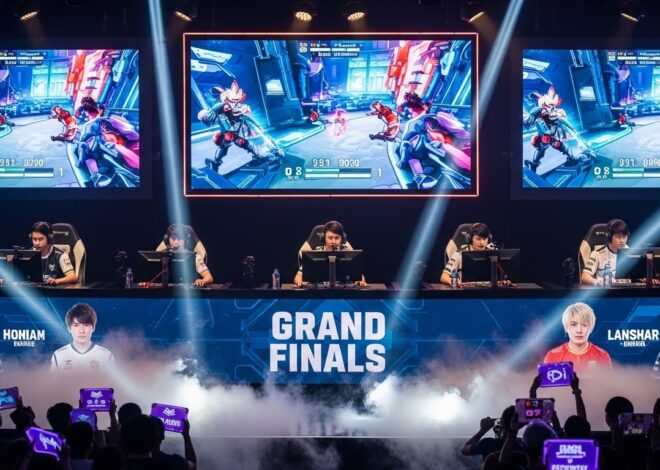
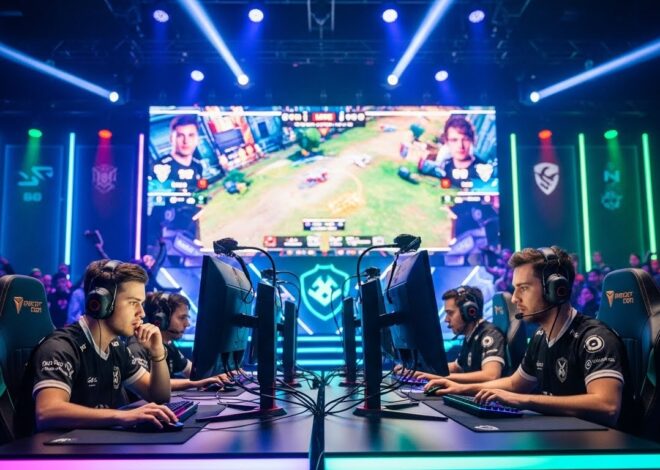
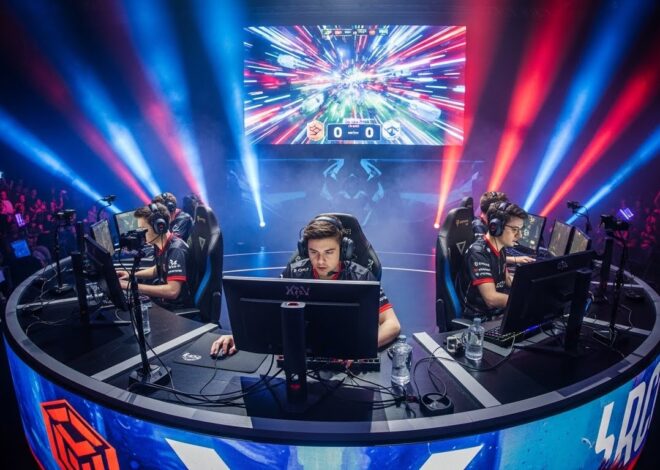
Esports, short for electronic sports, has transformed from a niche hobby into a global cultural phenomenon. With millions of players and fans worldwide, esports represents not just competition, but also a new form of entertainment, career opportunities, and technological innovation. In this blog post, we will explore the history, growth, impact, and future of esports, shedding light on why it has become such a dominant force in the modern entertainment landscape.
Origins of Esports
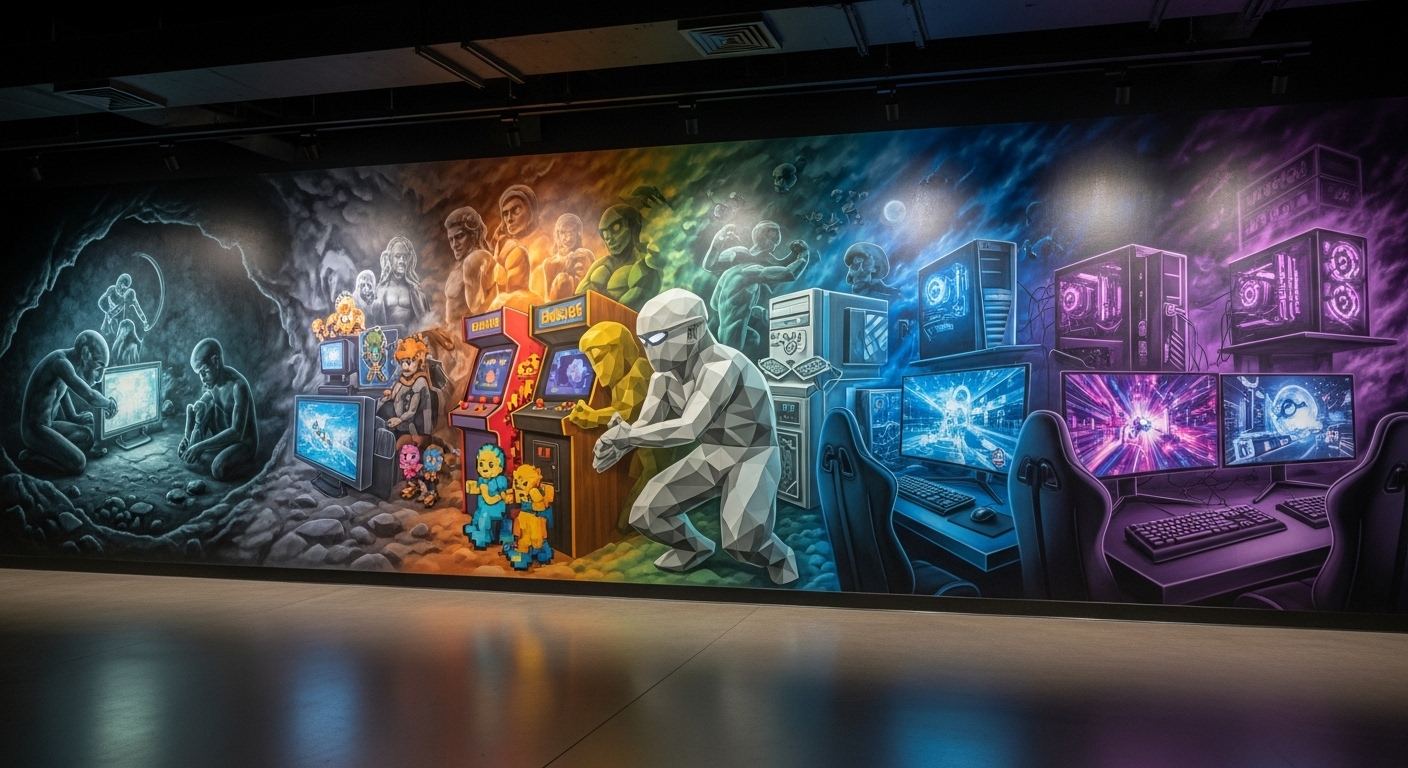
The origins of esports can be traced back to the early days of competitive gaming. In the 1970s and 1980s, arcade competitions began to emerge as players competed for high scores in games like Space Invaders and Pac-Man. One of the earliest recorded video game competitions took place in 1980 at Stanford University, where students competed in Space Invaders. As gaming technology advanced, home consoles and personal computers created new opportunities for competitive play.
By the 1990s, esports started taking on a more organized form. Competitive gaming tournaments began to appear for titles like Doom, Quake, and StarCraft. South Korea, in particular, played a pivotal role in the development of esports, as professional gaming leagues were established, and competitive gamers began gaining celebrity status. These early foundations laid the groundwork for the global esports industry we see today.
Popular Esports Titles
One of the reasons esports has gained immense popularity is the wide range of games that attract diverse audiences. Competitive gaming is no longer limited to one genre; instead, it spans multiple types, each offering unique challenges and experiences.
Multiplayer Online Battle Arena (MOBA)
MOBA games, such as League of Legends and Dota 2, have become some of the most-watched esports titles globally. These games require strategic thinking, teamwork, and rapid decision-making. Each player controls a single character, working with their team to defeat the opposing side. The competitive scene for MOBA games is incredibly robust, featuring regional leagues, international championships, and multi-million-dollar prize pools.
First-Person Shooters (FPS)
FPS games like Counter-Strike: Global Offensive, Call of Duty, and Overwatch have also played a significant role in esports’ growth. These games test players’ reflexes, precision, and tactical coordination. FPS tournaments often draw massive viewership because of their fast-paced action and high stakes. Unlike MOBAs, FPS competitions focus more on individual skill within a team-based environment, making them thrilling to watch.
Sports Simulation Games
Sports simulation games, such as FIFA and NBA 2K, provide a digital platform for traditional sports enthusiasts. Esports tournaments for these games often parallel real-world sports leagues, complete with seasonal rankings, playoffs, and championship events. These games attract not only gamers but also traditional sports fans, broadening the esports audience.
Battle Royale Games
In recent years, battle royale games like Fortnite and PUBG have revolutionized the esports scene. Players are dropped into a large map and must compete to be the last one standing. These games combine survival strategy, shooting skills, and adaptability. Their unpredictable nature makes every match exciting, contributing to their popularity among both participants and spectators.
The Esports Ecosystem
Esports is more than just players competing in video games. It has evolved into a complex ecosystem involving teams, sponsors, organizers, streaming platforms, and fans. Understanding this ecosystem helps to appreciate the scale and professionalism of the industry.
Professional Teams and Players
Professional esports players often start young, dedicating hours to practice, strategy, and teamwork. They may compete as part of organized teams that have coaching staff, analysts, and support personnel. Top players are highly skilled, sometimes practicing eight to twelve hours a day to maintain peak performance. Professional teams are also branded entities, attracting sponsorships, merchandise sales, and fan followings similar to traditional sports teams.
Tournaments and Leagues
Tournaments are the lifeblood of esports, offering both fame and substantial prize money. Events like The International for Dota 2, the League of Legends World Championship, and the CS:GO Major Championships attract millions of viewers and multi-million-dollar prizes. These tournaments are meticulously organized, with live broadcasts, commentary, and extensive marketing. Leagues often run throughout the year, providing continuous content and engagement for fans.
Streaming Platforms
Streaming platforms such as Twitch and YouTube Gaming have been instrumental in esports’ rise. They provide a space where players can broadcast their gameplay to millions of viewers in real time. Streaming allows fans to connect directly with their favorite players, participate in chat communities, and watch matches live. The accessibility and interactive nature of streaming have made esports an inclusive and dynamic form of entertainment.
Sponsorships and Branding
Esports has become a lucrative avenue for brands and sponsors. Companies sponsor teams, players, and tournaments, gaining exposure to a highly engaged audience. Sponsorship deals often include branded apparel, equipment endorsements, and promotional campaigns. The financial support from sponsors has helped professionalize esports, allowing players to make competitive gaming a viable career.
The Cultural Impact of Esports
Esports is not just an industry; it is a cultural movement that influences entertainment, lifestyle, and technology. Its impact extends beyond the screen, shaping social interactions and global connectivity.
Community and Social Interaction
Esports fosters strong communities where fans and players can connect over shared interests. Online forums, social media groups, and streaming chats provide spaces for discussion, advice, and fan engagement. Gaming conventions and live events further strengthen these communities, creating opportunities for in-person socialization and networking.
Career Opportunities
The rise of esports has created diverse career opportunities beyond playing professionally. Analysts, commentators, event organizers, marketing professionals, and content creators all contribute to the ecosystem. Additionally, universities and colleges are beginning to offer scholarships and programs focused on esports, legitimizing it as a professional and academic pursuit.
Influence on Technology and Media
Esports has accelerated technological innovation, especially in areas like live streaming, graphics rendering, and virtual reality. The demand for high-quality broadcasts has pushed advancements in low-latency streaming, interactive overlays, and real-time analytics. Furthermore, esports has influenced traditional media, with sports networks covering major tournaments and mainstream media acknowledging esports as a legitimate form of competition.
Challenges Facing Esports
Despite its rapid growth, esports faces several challenges that could impact its long-term sustainability.
Mental and Physical Health
Professional gamers often endure long hours of practice, leading to physical strain and mental stress. Eye strain, repetitive stress injuries, and burnout are common issues. Maintaining a balanced lifestyle while competing at a high level remains a critical challenge for esports professionals.
Regulation and Standardization
Unlike traditional sports, esports lacks consistent regulation across games and regions. Tournament rules, player contracts, and fair play standards can vary widely. Establishing standardized regulations and governance structures is essential for the industry’s credibility and stability.
Inclusivity and Diversity
Esports has historically struggled with diversity, including gender representation and accessibility. Efforts are being made to encourage broader participation, but challenges remain. Promoting inclusivity and creating safe, welcoming spaces is vital for the future growth of esports.
The Future of Esports
The future of esports is poised for continued expansion and innovation. Several trends indicate the direction in which the industry is heading.
Mainstream Acceptance
Esports is increasingly recognized alongside traditional sports. Universities offer competitive esports programs, governments acknowledge esports as a legitimate profession, and mainstream media regularly covers major tournaments. This acceptance will likely continue to grow, further solidifying esports as a global phenomenon.
Technological Integration
Advances in virtual reality, augmented reality, and cloud gaming could transform esports experiences. Fans may soon engage with competitions in immersive ways, and players may compete in entirely virtual arenas. The integration of cutting-edge technology will enhance both gameplay and spectator experiences.
Global Expansion
Esports is expanding beyond its traditional strongholds in North America, Europe, and Asia. Emerging markets in Latin America, Africa, and the Middle East are witnessing growing esports communities and events. This global expansion will diversify the audience, talent pool, and cultural impact of esports.
Educational Opportunities
As esports continues to mature, educational programs and research will play a significant role. Universities offering esports courses, degrees, and research programs will help professionalize the industry further. Additionally, these programs may explore the psychological, technological, and sociological aspects of competitive gaming, contributing to broader understanding and innovation.
Conclusion
Esports has evolved from simple arcade competitions into a multifaceted global industry that captivates millions. Its growth reflects a convergence of technology, entertainment, and human competition. From MOBA and FPS games to sports simulations and battle royales, esports has something for everyone. Beyond entertainment, it fosters community, provides career opportunities, and drives technological innovation.
Despite challenges related to health, regulation, and inclusivity, esports continues to thrive, with a promising future shaped by mainstream recognition, technological advancements, and global expansion. As the lines between traditional sports and digital competition blur, esports will remain at the forefront of cultural and technological evolution, redefining what it means to compete and connect in the modern era.
Esports is more than just a game; it is a dynamic, evolving phenomenon that captures the imagination of players and fans alike. Its story is one of passion, innovation, and relentless competition, making it one of the most exciting developments in entertainment today.