The Rise of Esports: A New Era in Competitive Gaming
Esports, or electronic sports, have rapidly transformed from a niche hobby into a global industry with millions of players, fans, and viewers. What started as casual video game tournaments has now evolved into a professional and highly lucrative sector that rivals traditional sports in terms of viewership, sponsorships, and career opportunities. The world of esports is not just about playing video games—it’s a community, a culture, and a thriving ecosystem. In this blog, we will explore the rise of esports, the reasons behind its massive popularity, and the future of competitive gaming.
The Origins of Esports: From Arcade Games to Global Competitions
Esports didn’t emerge overnight. Its roots can be traced back to the 1970s and 1980s, when arcade games like Pong and Space Invaders attracted players who competed for high scores. However, it wasn’t until the 1990s, with the advent of more complex games and the rise of the internet, that esports began to take form.
One of the earliest examples of organized competitive gaming was the Red Annihilation tournament for the game Quake in 1997. This event marked the beginning of serious esports tournaments, with players competing for cash prizes. Around the same time, the first online multiplayer games were becoming popular, such as StarCraft and Warcraft, which helped establish the foundation for competitive gaming communities. These early competitions were small in scale, but they laid the groundwork for what would become a global phenomenon.
The Evolution of Esports: From LAN Parties to Streaming Giants
The growth of esports can be broken down into several key phases, with each contributing to the industry’s evolution.
The Early Days: Local Competitions and LAN Parties
In the late 1990s and early 2000s, gaming communities began organizing local tournaments, known as LAN (Local Area Network) parties. These events allowed players to connect their computers in the same physical location and compete against each other in multiplayer games like Counter-Strike and Warcraft III. LAN parties were a way for gamers to experience competitive gaming in a social setting, often with friends or like-minded individuals.
While LAN parties were important for the growth of esports, they were limited by geography. However, with the rise of high-speed internet in the early 2000s, online gaming became more accessible, and global competitions began to take shape.
The Rise of Streaming Platforms
One of the most significant factors behind the growth of esports has been the development of streaming platforms, particularly Twitch. Launched in 2011, Twitch allowed gamers to broadcast their gameplay to a global audience in real-time. It didn’t take long for esports events to embrace the platform, as it offered a way for fans to watch professional players and teams compete from the comfort of their own homes.
Streaming platforms made esports more accessible than ever before. Fans could now watch live tournaments, engage with their favorite players, and even interact with other fans in real-time. This shift from traditional broadcast media to digital streaming opened up new possibilities for esports as an entertainment form.
Twitch, in particular, played a pivotal role in the rise of esports, but it wasn’t the only platform to benefit from this trend. YouTube Gaming and Facebook Gaming also entered the scene, creating a competitive environment for streaming platforms and giving esports players and teams more exposure.
Esports Today: A Billion-Dollar Industry
Fast forward to today, and esports is no longer just a pastime for hobbyists. It is a billion-dollar industry, with major events attracting millions of viewers from all corners of the world. Esports has become a legitimate career path for talented players, coaches, analysts, and content creators. The industry’s financial growth is staggering, with major companies, such as Intel, Coca-Cola, and Samsung, investing heavily in esports sponsorships and partnerships.
Major Esports Games
There are several games that have become staples in the esports ecosystem. These games have professional leagues, massive fan followings, and multi-million dollar prize pools. Some of the most popular esports titles include:
- League of Legends (LoL): One of the most popular multiplayer online battle arena (MOBA) games, League of Legends has become the cornerstone of the esports world. Its World Championship, often referred to as the “LoL Worlds,” is watched by millions every year and has one of the largest prize pools in competitive gaming.
- Dota 2: Another highly popular MOBA game, Dota 2 is known for its large prize pools, particularly in its International tournament. The Dota 2 community has a reputation for being fiercely dedicated, and the game’s strategic depth makes it a favorite among competitive players.
- Counter-Strike: Global Offensive (CS:GO): CS:GO has been a mainstay in esports for over a decade, with its tactical gameplay and skill-based mechanics attracting a dedicated fanbase. Major tournaments like ESL Pro League and DreamHack continue to draw large audiences.
- Overwatch: Blizzard’s team-based first-person shooter, Overwatch, has carved out its own niche in the esports scene with the Overwatch League (OWL). The OWL features professional teams from cities around the world, and its fast-paced gameplay makes it appealing to both players and spectators.
- Fortnite: While Fortnite isn’t strictly an esports title, its competitive scene has grown exponentially. The Fortnite World Cup in 2019 saw one of the largest prize pools in esports history, and the game continues to host numerous tournaments and events.
- Call of Duty (CoD): Call of Duty has been a leading title in esports for years, with the Call of Duty League providing a professional structure for players and teams. Its fast-paced gameplay and accessibility make it one of the most popular esports games.
These games, among others, have helped elevate esports to the mainstream, with major sponsorships, fan engagement, and media coverage.
The Esports Ecosystem: Players, Teams, and Fans
Esports is not just about the games—it’s a complex ecosystem that includes players, teams, sponsors, organizers, broadcasters, and fans. Each component plays a vital role in sustaining the industry and ensuring its continued growth.
Players and Teams
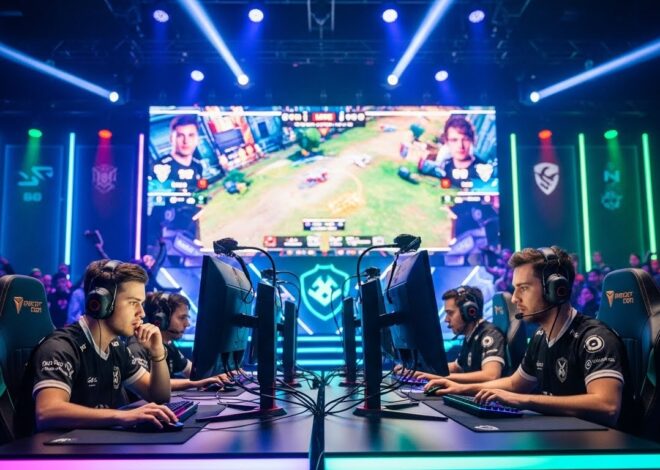
At the core of esports are the players who compete at the highest level. Professional esports players are often highly skilled individuals who dedicate their time and energy to mastering their chosen game. Many of these players start at a young age and go through a rigorous training process to hone their skills. Becoming a top-tier esports player requires more than just playing the game; it demands strategic thinking, teamwork, and mental fortitude.
Professional esports teams, such as Cloud9, Team Liquid, and Fnatic, are the backbone of the industry. These teams sign top players and provide them with the resources needed to succeed, including coaching, training facilities, and financial support. Teams also have managers, analysts, and other staff who help ensure that players are performing at their best.
Sponsors and Media Partnerships
Esports has attracted major sponsors from a variety of industries, including technology, consumer goods, and even fashion. Companies like Coca-Cola, Mercedes-Benz, and Nike have all partnered with esports organizations to reach a young, tech-savvy audience. These sponsorships provide financial support for tournaments, teams, and players, helping to fuel the growth of the industry.
Media partnerships have also played a key role in the rise of esports. Major broadcasters like ESPN and TBS have aired esports events, while streaming platforms like Twitch have become the primary source of live coverage for fans. These media partnerships bring esports into the mainstream and help to expand its reach beyond traditional gaming audiences.
Fans and Community Engagement
The esports community is one of the most passionate and engaged fanbases in the world. Fans not only watch their favorite players and teams, but they also interact with them through social media, live streams, and fan events. This sense of community is one of the driving forces behind the growth of esports, as fans are not just spectators—they are active participants in the ecosystem.
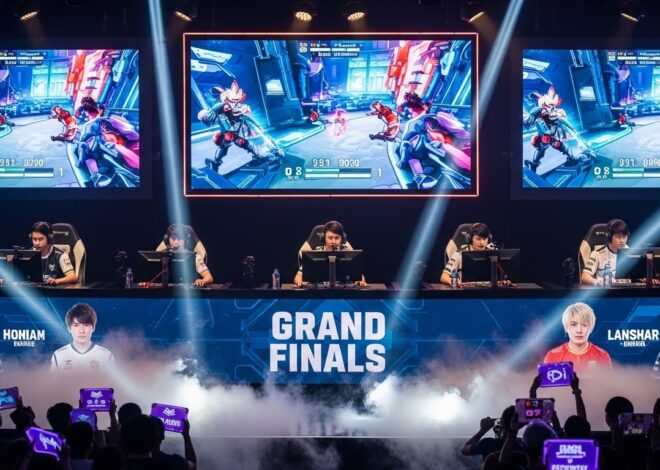
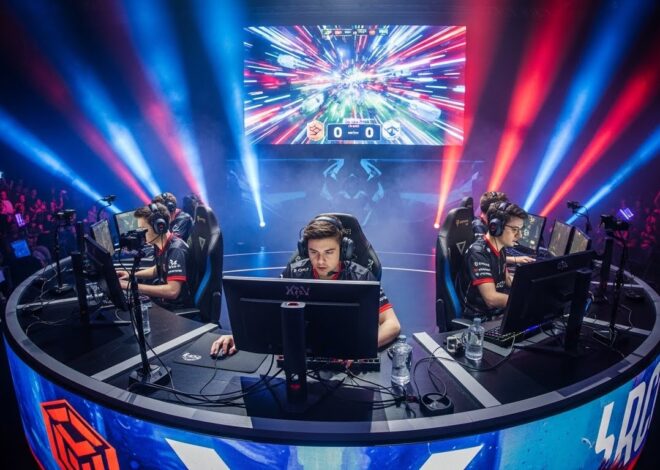
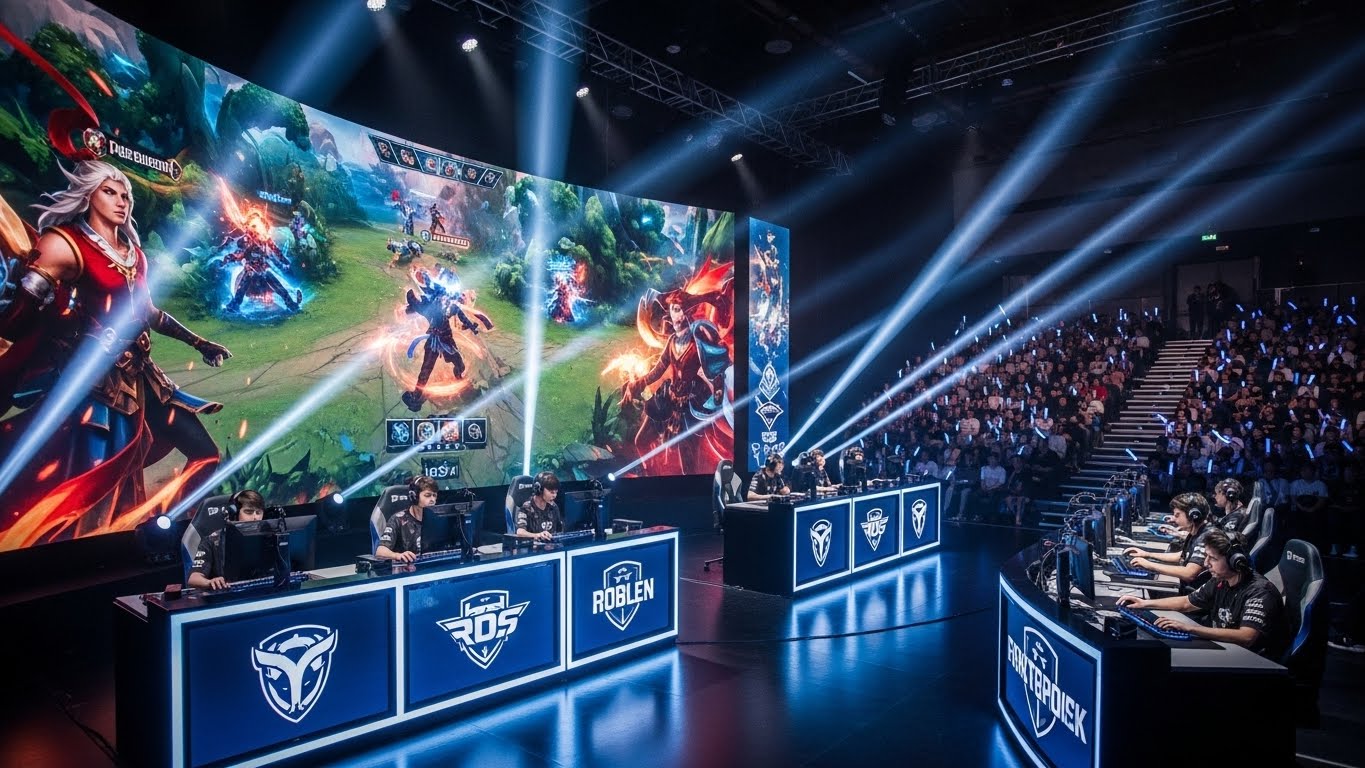
Tournaments and live events are an essential part of this fan engagement. Whether it’s attending an event in person or tuning in online, esports fans are highly dedicated to following their favorite teams and players. Major tournaments, like the League of Legends World Championship or The International, have become global spectacles that attract millions of viewers and thousands of attendees.
The Future of Esports: What’s Next?
As esports continues to grow, its future looks incredibly promising. The industry is evolving in several ways, with new technologies, platforms, and opportunities on the horizon.
Integration with Traditional Sports
One of the most exciting prospects for the future of esports is its potential integration with traditional sports. Many professional sports leagues are already taking note of esports’ popularity, and some are even launching their own esports competitions. The NFL, NBA, and FIFA, for example, have all ventured into the world of esports by organizing digital competitions related to their respective sports.
This crossover could help esports gain even more mainstream recognition and acceptance. Esports could eventually become a part of the Olympic Games or be included in multi-sport events, opening up new opportunities for growth and exposure.
Virtual Reality and Augmented Reality
Virtual reality (VR) and augmented reality (AR) are technologies that could revolutionize esports in the coming years. While VR and AR are still in their early stages, they offer the potential to create more immersive and interactive gaming experiences. As VR and AR technologies continue to improve, they could become key components of the esports ecosystem, allowing players and spectators to experience competitions in entirely new ways.