The Rise of Esports: A New Era of Competitive Entertainment
In recent years, esports has evolved from a niche hobby for a dedicated few to a global phenomenon. With millions of fans tuning in to watch players and teams battle it out in various digital arenas, esports has rapidly become one of the most exciting and lucrative industries in the world. Whether it’s League of Legends, Dota 2, Counter-Strike: Global Offensive, or Fortnite, the competitive gaming scene has reached unprecedented heights. This blog will explore the history, growth, cultural impact, and future of esports, shedding light on why it has captured the attention of so many around the world.
What is Esports?
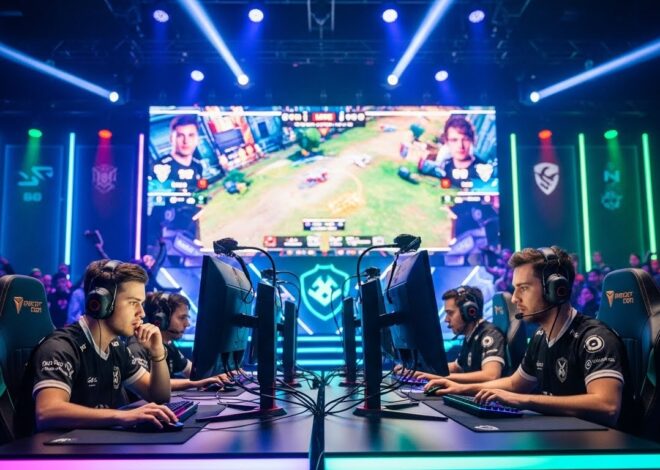
Esports, short for electronic sports, refers to competitive video gaming. Professional players and teams participate in organized tournaments, often with substantial cash prizes and global recognition. Esports covers a variety of genres, including first-person shooters (FPS), multiplayer online battle arenas (MOBA), real-time strategy (RTS), and sports simulations. The key distinguishing factor of esports from casual gaming is its competitive nature, often taking place in front of an audience, whether that’s live in an arena or through online streaming platforms like Twitch and YouTube.
The global reach of esports is staggering. Major tournaments are broadcast to millions of viewers worldwide, with some of the most prestigious events drawing larger viewership numbers than traditional sports like the Super Bowl. The most well-known esports tournaments, such as The International (Dota 2), the League of Legends World Championship, and the Fortnite World Cup, boast prize pools that can reach tens of millions of dollars. As a result, esports has transformed into a multi-billion dollar industry with professional players, teams, sponsors, and media companies all contributing to its explosive growth.
The History and Evolution of Esports
The roots of esports can be traced back to the 1970s, when competitive gaming was still in its infancy. The first documented esports tournament took place in 1972 at Stanford University, where students competed in a game called Spacewar. However, it wasn’t until the 1990s that esports began to take shape as we know it today. With the advent of the internet, multiplayer games like Quake, StarCraft, and Warcraft allowed players to connect and compete against each other online.
By the late 1990s and early 2000s, esports started to gain traction in Korea, where competitive gaming culture exploded. The South Korean government, recognizing the potential of gaming as a cultural export, invested heavily in esports infrastructure. This led to the creation of professional gaming leagues and the rise of famous players like Lee “Life” Seung Hyun and Lim “BoxeR” Yo Hwan, who became national heroes.
In the mid-2000s, major gaming events and tournaments started popping up around the world. The most significant turning point in esports’ global reach came with the growth of online streaming platforms like Twitch, which launched in 2011. Twitch allowed gamers to broadcast their gameplay to a worldwide audience, creating a new form of entertainment that merged gaming and spectator sports. Esports tournaments began to be streamed live, further fueling the growth of competitive gaming as millions of people tuned in to watch their favorite players and teams compete.
The Growth of Esports: A Billion-Dollar Industry
Esports has come a long way from its humble beginnings, and today it is a multi-billion dollar industry. According to Newzoo, the global esports economy was valued at over $1 billion in 2023, with projections indicating that the industry will continue to grow at a rapid pace in the coming years. The surge in popularity can be attributed to several key factors.
One of the primary drivers of esports’ growth is the widespread adoption of online streaming. Platforms like Twitch, YouTube Gaming, and Facebook Gaming have provided players and fans with the ability to share and view content in real-time. These platforms allow for direct interaction between players and their audiences, which has helped foster a sense of community and engagement that traditional sports often lack. The accessibility of live streams means that fans from all corners of the globe can tune into tournaments, regardless of location or time zone.
In addition to streaming, sponsorships and advertising have played a significant role in esports’ financial boom. Big-name brands like Coca-Cola, Intel, and Nike have partnered with esports organizations, recognizing the potential of reaching younger, tech-savvy audiences. Esports players, teams, and events have become valuable marketing tools for companies looking to promote their products to a global fanbase. Furthermore, the rise of esports betting and fantasy leagues has created new avenues for fans to engage with the competitive scene and place bets on their favorite players and teams, further contributing to the industry’s financial growth.
The Cultural Impact of Esports
Beyond its financial success, esports has had a profound impact on popular culture. What was once considered a niche hobby has now become a mainstream entertainment medium, with esports stars achieving celebrity status. Players like Faker (Lee Sang-hyeok), Ninja (Tyler Blevins), and Shroud (Michael Grzesiek) have become household names, attracting massive followings on social media platforms and amassing millions of dollars through sponsorships, streaming, and tournament earnings.
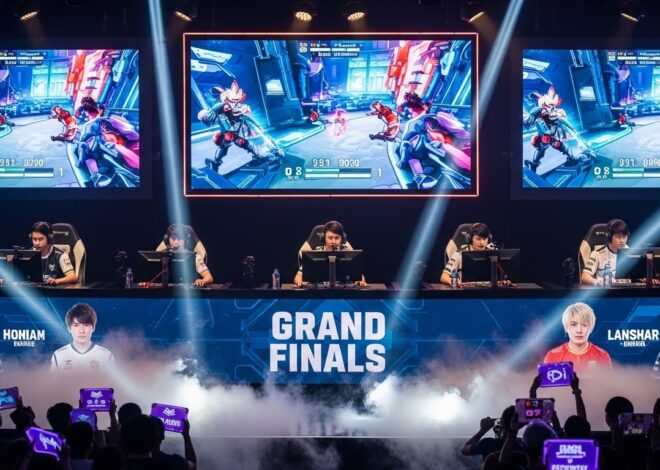
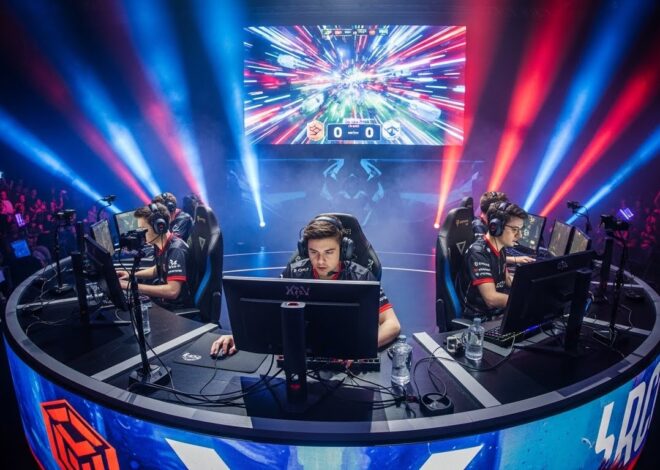
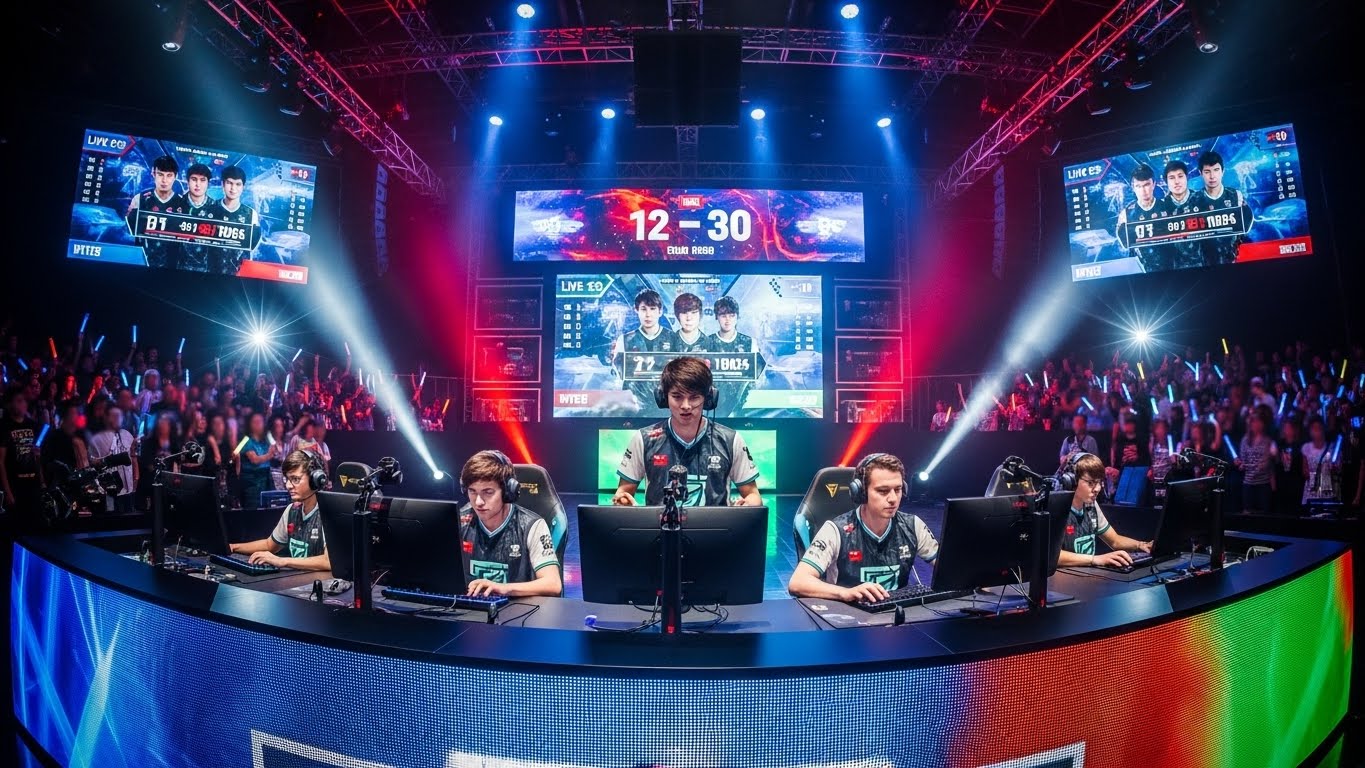
Esports’ influence extends beyond gaming itself. Many esports tournaments are held in massive arenas, with tens of thousands of fans attending in person. These events have the same energy and excitement as traditional sports, with cheering crowds, commentators, and even halftime shows. The atmosphere at major esports events like League of Legends World Championships rivals that of any Super Bowl or World Cup final, creating an electrifying experience for both players and spectators.
In addition to the live events, esports has also contributed to the growth of online communities. Subreddits, Discord servers, and fan forums have flourished, providing fans with a space to discuss games, players, and strategies. Esports has cultivated a sense of belonging for millions of fans who are passionate about gaming and competition. For many, these online spaces are more than just a way to watch a game—they’re an opportunity to connect with like-minded individuals who share their interests.
Esports in Education and Career Opportunities
Another significant aspect of esports’ growth is its integration into the educational sector. In recent years, universities and colleges around the world have begun offering esports programs, with scholarships and degrees dedicated to competitive gaming. Some schools even have their own esports teams, competing in regional and national leagues. Esports has become a legitimate career path for students, with opportunities for coaching, analysis, broadcasting, and event management.
This trend has also paved the way for esports as a potential career for aspiring professional players. Much like traditional sports, the road to becoming a professional esports player requires years of dedication, training, and practice. However, the barriers to entry are often lower than those of traditional sports. Esports players can come from anywhere, with the only requirements being skill and access to a computer or console. As a result, esports has democratized the path to professional gaming, giving players from all backgrounds the chance to make a name for themselves in the competitive scene.
The Future of Esports
As esports continues to expand, the future of the industry looks bright. New technologies, such as virtual reality (VR) and augmented reality (AR), have the potential to revolutionize the way esports are played and experienced. These technologies could create immersive gaming environments that bring players and spectators closer to the action than ever before. Moreover, esports is likely to continue its convergence with traditional sports, with more crossovers between the two in terms of sponsorships, media coverage, and fan engagement.
Another exciting development in the world of esports is the potential for mainstream media integration. Esports is already being broadcast on platforms like ESPN, and as the industry grows, more traditional media outlets may begin to cover esports tournaments and events, treating them with the same respect and attention given to traditional sports. This would further legitimize esports as a competitive entertainment medium and open the door for more sponsorships, advertising, and mainstream recognition.
Finally, with the increasing popularity of mobile gaming, mobile esports are set to become a major player in the industry. Games like PUBG Mobile and Free Fire have already begun to make waves in the competitive gaming scene, with mobile esports tournaments attracting large audiences. As smartphones become more powerful, the potential for mobile esports to rival traditional PC and console gaming is becoming increasingly likely.
Conclusion
Esports has come a long way from its humble beginnings as a niche activity to becoming a global cultural and economic force. The rise of esports has opened up new opportunities for players, fans, and companies alike, and its influence on popular culture is undeniable. With the continued growth of streaming platforms, sponsorships, and educational programs, esports is poised to become an even more significant part of our digital entertainment landscape. Whether you’re a casual gamer, a die-hard fan, or an aspiring professional player, one thing is clear: the world of esports is here to stay.