The Rise of Esports: Gaming as a Global Phenomenon
Esports, short for electronic sports, has transformed from a niche hobby into a global phenomenon that captivates millions of people worldwide. What began as casual gaming competitions among friends has evolved into a professional industry with structured tournaments, professional teams, and massive fan followings. With rapid advancements in technology, increased internet accessibility, and the rise of streaming platforms, esports has become one of the fastest-growing sectors in the entertainment world. Its influence spans not only gaming culture but also media, education, and even sports management.
The essence of esports lies in competitive gaming. Unlike traditional video games played casually for fun, esports is about skill, strategy, and mental acuity. Players dedicate hundreds of hours to mastering their chosen games, analyzing tactics, and improving reaction times. In many ways, the commitment of esports athletes mirrors that of traditional sports athletes. From physical conditioning to mental training, professional esports players maintain a lifestyle designed to enhance performance and sustain longevity in a highly competitive environment.
The Origins of Competitive Gaming
The roots of competitive gaming can be traced back to the late 1970s and early 1980s when arcade games like Space Invaders and Pac-Man began inspiring informal competitions. However, it wasn’t until the 1990s that structured tournaments started to appear, fueled by the rise of PC gaming and early multiplayer titles like Quake and StarCraft. Universities and gaming communities began hosting events where players could showcase their skills, laying the groundwork for professional esports leagues.
The 2000s marked a turning point with the launch of globally recognized tournaments, particularly in South Korea. The popularity of StarCraft: Brood War in the country led to professional teams, televised matches, and a culture that treated gaming as a legitimate career. This model would later inspire esports growth across the globe. The combination of competitive play, fan engagement, and media coverage created a blueprint for the modern esports ecosystem.
Major Esports Titles and Their Impact
Esports thrives on diversity, with numerous games appealing to different audiences. Titles like League of Legends, Dota 2, Counter-Strike: Global Offensive, and Overwatch dominate the scene due to their competitive depth, team-based mechanics, and spectator-friendly formats. Each game has carved out a niche within the esports industry, attracting dedicated fan bases and professional players.
League of Legends (LoL), for example, is known for its intricate strategies and dynamic gameplay. Teams must coordinate complex tactics, adapt to opponents’ moves, and execute split-second decisions under pressure. Dota 2 shares a similar appeal but with even deeper strategic layers and a focus on resource management and hero synergy. Counter-Strike: Global Offensive (CS:GO), on the other hand, emphasizes precision, reflexes, and map control, offering a different kind of competitive thrill.
The diversity of esports titles allows the industry to cater to a wide range of players and fans. From fast-paced shooters to tactical MOBAs (multiplayer online battle arenas), there is something for everyone, which fuels global engagement and expands the potential for tournaments, sponsorships, and media content.
The Economics of Esports
Esports is no longer just a pastime; it has become a multibillion-dollar industry. Revenue streams in esports come from several sources, including tournament prize pools, sponsorships, merchandise, ticket sales for live events, and media rights. Professional players often earn substantial salaries, supplemented by streaming income, brand endorsements, and prize winnings. Top-tier teams and organizations operate like traditional sports franchises, managing contracts, marketing, and player development.
Sponsorship deals play a crucial role in sustaining esports. Companies from diverse sectors—technology, beverage, fashion, and even finance—invest in teams, events, and tournaments to tap into the vibrant gaming community. Major brands recognize the value of esports as a platform to reach a younger, digitally savvy audience. Additionally, streaming platforms have monetized viewership through subscriptions, advertisements, and donations, creating an ecosystem where both players and fans can financially benefit from engagement.
The Role of Streaming Platforms
The meteoric rise of esports is inseparable from streaming platforms such as Twitch, YouTube Gaming, and Facebook Gaming. These platforms allow fans to watch live matches, follow their favorite players, and engage in real-time discussions. Streaming has democratized access to esports, enabling viewers from any part of the world to participate in the community and witness top-level gameplay without attending events physically.
For professional players, streaming offers an additional revenue stream. Many players build personal brands through streaming, creating loyal followings that supplement their income from competitive play. The interactive nature of streaming also fosters a sense of community, turning viewers into active participants rather than passive spectators. This blend of entertainment, social interaction, and competition has become a defining characteristic of the esports industry.
Esports Tournaments and Global Competitions
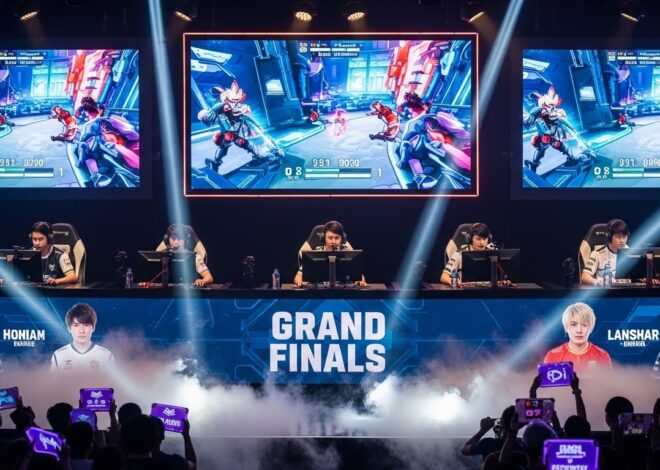
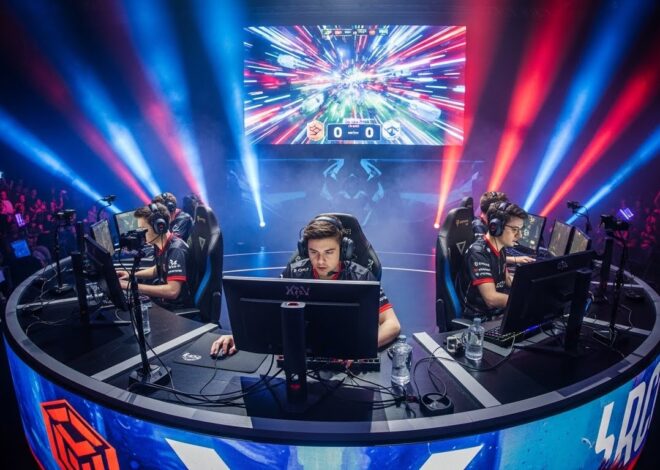
Tournaments are the heartbeat of esports, bringing players, teams, and fans together to celebrate competition. From small-scale online events to massive international championships, tournaments showcase the highest level of gameplay and attract widespread attention. Events like The International for Dota 2, the League of Legends World Championship, and the CS:GO Major Championships have become cultural phenomena, filling arenas, selling out tickets, and broadcasting to millions online.
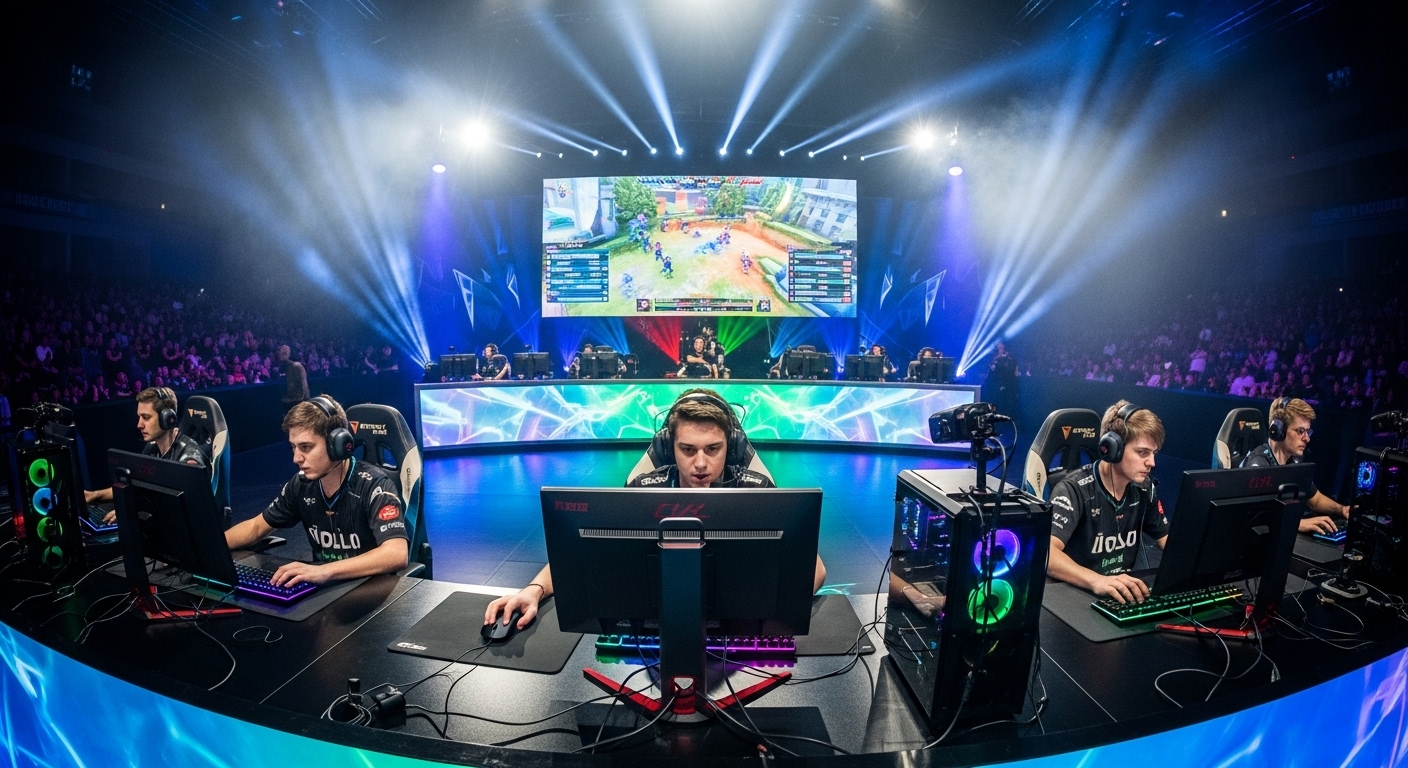
These tournaments are not only about the players but also about the fan experience. They feature elaborate stage designs, live commentary, interactive fan zones, and merchandise sales. The production quality rivals that of traditional sports, reflecting the professionalization of esports. In addition, the global nature of these competitions highlights the universal appeal of gaming, as players from diverse countries compete on an equal footing.
Training and Professional Development in Esports
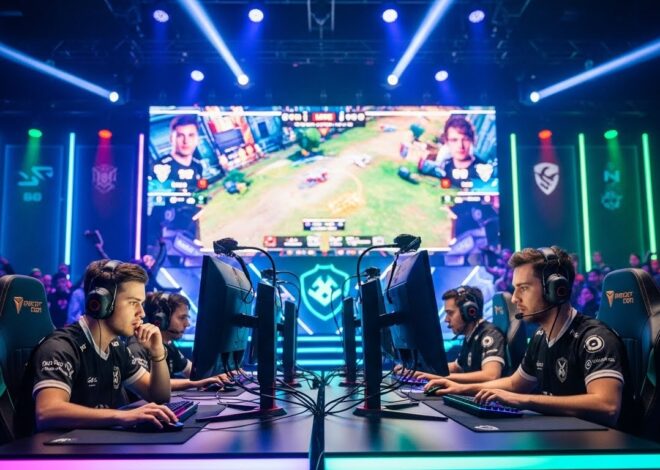
Professional esports players undergo rigorous training regimens to maintain peak performance. Unlike casual gamers, these athletes adhere to structured schedules that balance practice, strategy analysis, physical conditioning, and mental health. Team practices involve scrimmages, studying opponents’ playstyles, and refining coordination. Individual training may include reaction time exercises, hand-eye coordination drills, and in-depth analysis of gameplay footage.
Esports also emphasizes mental fortitude. High-pressure matches require focus, adaptability, and emotional control. Many teams employ sports psychologists to help players manage stress, maintain motivation, and optimize performance. The combination of physical, mental, and tactical preparation underscores the level of professionalism in esports, challenging outdated perceptions that gaming lacks discipline or structure.
The Global Esports Community
One of esports’ most remarkable aspects is its community. Millions of players, fans, and creators participate in discussions, share content, and form social connections around shared interests. Online forums, social media groups, and Discord servers serve as hubs where individuals exchange strategies, celebrate victories, and discuss industry news. The sense of belonging and shared passion strengthens the cultural impact of esports, creating a global network of enthusiasts who support and promote the scene.
Community engagement also drives innovation within esports. Fans often contribute to game balance discussions, suggest tournament formats, and produce content that amplifies the reach of esports events. Cosplay, fan art, and live commentary are just a few examples of how enthusiasts actively participate in the ecosystem, transforming esports from a competitive pastime into a cultural movement.
Esports and Education
Esports has increasingly intersected with education, providing new opportunities for students and institutions. Universities and colleges worldwide have established esports programs, offering scholarships, professional coaching, and structured competitions. These programs not only develop gaming skills but also teach teamwork, communication, and leadership—skills valuable both within and outside the gaming industry.
Some educational initiatives also focus on the technological and analytical aspects of esports. Students can study game design, data analysis, broadcasting, and event management, equipping them with practical skills applicable to careers in gaming and related industries. By integrating esports into education, institutions recognize its legitimacy as a professional pursuit and an avenue for career development.
The Cultural Influence of Esports
Esports has profoundly influenced modern culture, blending gaming, entertainment, and lifestyle. Popular esports personalities have become celebrities, influencing fashion trends, online culture, and social media content. Gaming jargon, memes, and references have permeated mainstream media, reflecting esports’ broader impact on society.
The industry has also promoted diversity and inclusion, providing platforms for players from various backgrounds, genders, and nationalities. While challenges remain, esports has made significant strides in creating a welcoming environment where skill and passion define success rather than traditional societal factors.
Challenges and Criticisms in Esports
Despite its rapid growth, esports faces several challenges. Player burnout, health concerns, and career longevity are major issues due to the demanding nature of competitive gaming. Long hours of practice, intense pressure, and travel schedules can take a toll on both physical and mental health. Organizations are increasingly focusing on player welfare, implementing structured schedules, wellness programs, and career transition planning.
Other challenges include inconsistent regulation, cheating, and ethical concerns around sponsorships and monetization. As esports continues to professionalize, establishing standardized rules, governance, and industry-wide best practices remains crucial to ensuring sustainability and credibility.
The Future of Esports
The future of esports is bright, with limitless potential for expansion and innovation. Emerging technologies such as virtual reality (VR), augmented reality (AR), and artificial intelligence (AI) are poised to redefine gameplay experiences and spectator engagement. Mobile esports is gaining momentum, providing accessibility for millions of players who may not own high-end gaming hardware. Cross-platform competitions, regional leagues, and international tournaments will continue to grow, bringing esports to new audiences worldwide.
Esports is also likely to strengthen its connection with traditional sports, media, and entertainment industries. Collaborative ventures, broadcasting deals, and sponsorship partnerships will further solidify esports as a mainstream phenomenon. As the industry matures, the boundaries between gaming, entertainment, and culture will blur, creating a dynamic landscape that embraces both competition and creativity.
Conclusion: Esports as a Cultural and Competitive Force
Esports is no longer just a form of entertainment; it is a global cultural and competitive force. From humble beginnings in arcades and university dorms to massive international tournaments and multi-million-dollar industries, esports has demonstrated that gaming is a serious pursuit requiring skill, dedication, and strategic thinking. Its influence spans media, education, technology, and culture, reflecting its multifaceted significance in modern society.
The journey of esports illustrates the transformative power of passion and innovation. Players, fans, and organizations collectively shape the industry, creating a dynamic ecosystem where competition, entertainment, and community thrive. As technology continues to evolve and global engagement expands, esports is set to remain at the forefront of digital culture, redefining what it means to compete, watch, and participate in gaming at the highest level.