The Rise of Esports: How Competitive Gaming is Shaping the Future of Entertainment
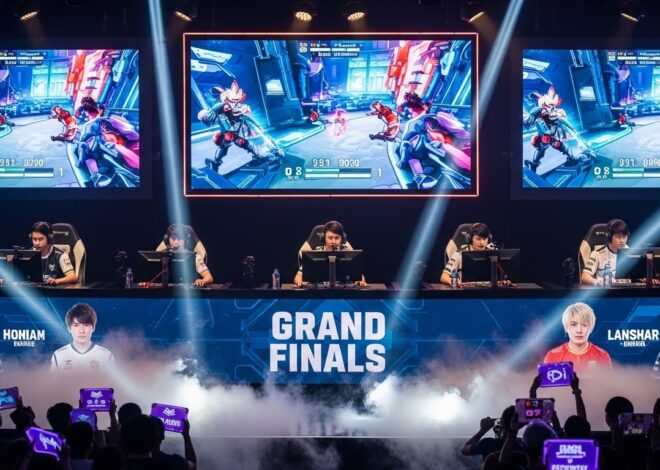
Esports, the competitive world of professional video gaming, has evolved from a niche pastime to a billion-dollar industry. What began as small tournaments in local arcades and LAN centers has blossomed into a global phenomenon, complete with professional players, major sponsorships, and large-scale events streamed to millions worldwide. Esports is no longer just about playing games; it’s about creating entertainment, building communities, and pushing the boundaries of what gaming can be.
In this post, we’ll explore the rise of esports, the factors driving its growth, the role of technology and innovation, and the future of competitive gaming as a mainstream sport.
What is Esports?
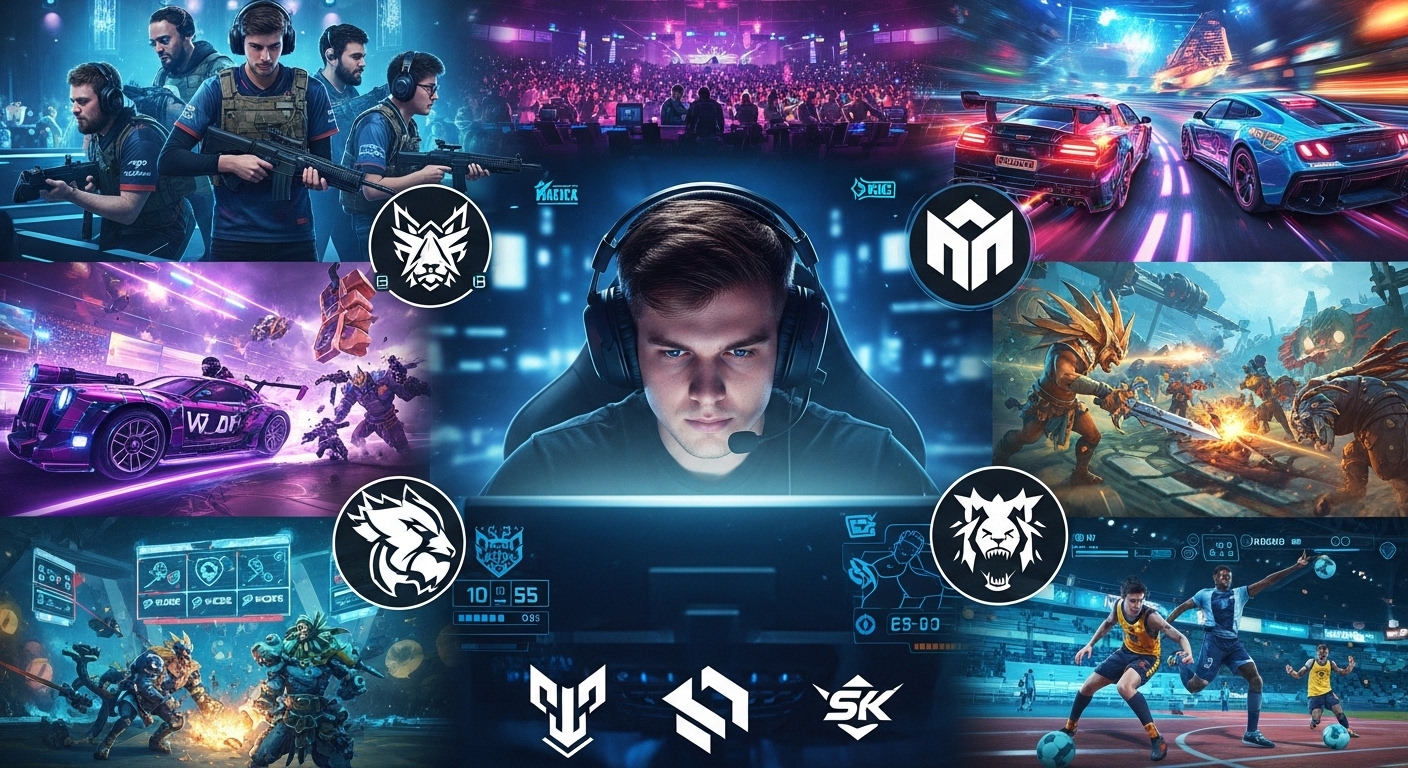
Esports, short for “electronic sports,” refers to organized, multiplayer video game competitions, especially between professional players, individually or as teams. Esports encompasses a wide range of games, from real-time strategy games like StarCraft to first-person shooters like Counter-Strike, multiplayer online battle arena (MOBA) games like League of Legends, and battle royale titles like Fortnite and PUBG.
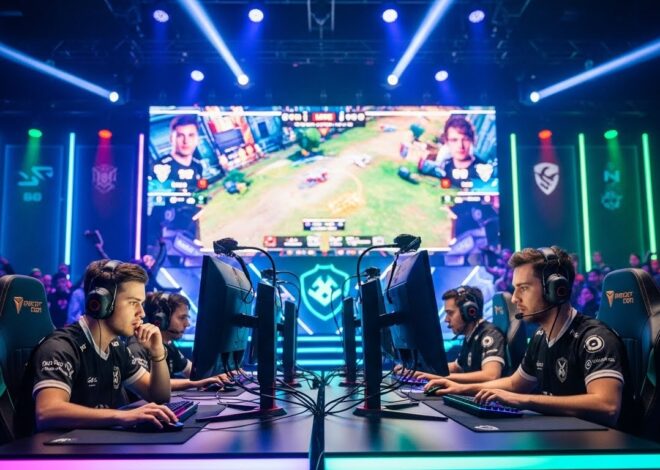
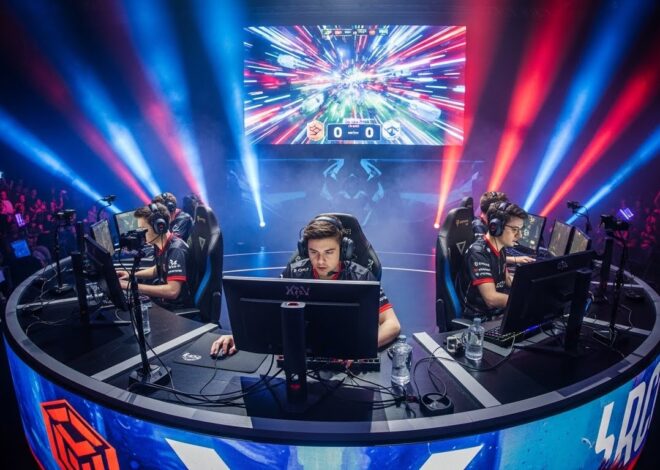
Unlike casual gaming, esports involves a high level of skill, strategy, and teamwork, often played in front of live audiences or streamed online. Players train for hours, honing their abilities and perfecting their strategies to compete at the highest levels. Esports tournaments can attract millions of viewers and offer substantial prize pools, sometimes reaching into the tens of millions of dollars.
The Growth of Esports
The growth of esports has been exponential over the past two decades. What started as a relatively obscure activity in the 2000s has now become a global juggernaut. According to recent industry reports, the esports market is expected to surpass $1.5 billion in revenue by 2027. This growth can be attributed to several key factors, including the increasing popularity of streaming platforms, the rise of mobile gaming, and the mainstream acceptance of gaming as a form of entertainment.
Streaming Platforms and Online Communities
One of the primary drivers of esports’ growth has been the rise of streaming platforms like Twitch, YouTube Gaming, and Facebook Gaming. These platforms have allowed players and fans to engage in real-time, creating vibrant communities around their favorite games and players. Live streaming has made it easier for fans to watch tournaments from anywhere in the world, and platforms like Twitch have become the primary stage for esports events.
Twitch, in particular, has played a pivotal role in the esports scene. Launched in 2011, it became the go-to destination for gamers to stream their gameplay, interact with viewers, and build large followings. As of 2023, Twitch boasts over 140 million unique monthly viewers, with a large portion of those viewers tuning in to watch esports tournaments and gaming-related content.
In addition to Twitch, platforms like YouTube Gaming and Facebook Gaming have also become significant players in the esports ecosystem. These platforms offer monetization opportunities for content creators and help bring esports events to an even wider audience. The accessibility of online streaming has helped break down geographical barriers, allowing fans from different countries to support their favorite teams and players.
The Mobile Gaming Revolution
Mobile gaming has also played a critical role in the rise of esports. With smartphones becoming more powerful and affordable, mobile games like PUBG Mobile, Arena of Valor, and Clash Royale have gained massive popularity. These games often feature simpler mechanics than their console or PC counterparts, making them accessible to a wider audience.
The rise of mobile esports has opened up new avenues for competitive gaming, especially in regions like Southeast Asia, where mobile gaming is the dominant form of gaming. Mobile esports tournaments, like the PUBG Mobile Global Championship, now offer prize pools in the millions and attract millions of viewers. The accessibility of mobile gaming means that anyone with a smartphone can participate in competitive gaming, expanding the talent pool and fan base for esports.
Professionalization and Sponsorships
As esports grew in popularity, it began attracting the attention of major brands and sponsors. Traditional sports organizations, such as the NBA and NFL, started investing in esports teams and leagues, while companies like Coca-Cola, Intel, and Red Bull began sponsoring events and players. This influx of sponsorship money has helped elevate esports to a level of professionalism that mirrors traditional sports.
Esports teams now function like traditional sports franchises, with dedicated coaching staff, analysts, and managers. Players are often treated like athletes, with specialized training regimens, health support, and travel arrangements for major events. Many esports organizations also have merchandising lines, fan clubs, and dedicated content creators to help expand their reach and revenue.
Sponsorship deals have also become more lucrative, with brands eager to tap into the growing esports demographic, which tends to skew young and tech-savvy. In 2023, brands were expected to spend over $500 million on esports sponsorships alone. This money has helped fund the growth of esports leagues, tournaments, and teams, turning competitive gaming into a multi-million-dollar industry.
Key Esports Titles and Tournaments
Esports encompasses a wide variety of games, each with its own unique community and competitive scene. Below, we’ll take a closer look at some of the most popular esports titles and the major tournaments that drive the competitive gaming landscape.
League of Legends
League of Legends (LoL) is one of the most popular esports titles in the world, with a massive global following. Developed by Riot Games, LoL is a multiplayer online battle arena (MOBA) game where two teams of five players battle to destroy the opposing team’s base. The game has been a staple of competitive gaming since its release in 2009, with the League of Legends World Championship (also known as Worlds) being one of the most prestigious and widely-watched esports events in the world.
The Worlds tournament attracts millions of viewers every year, with the 2021 finals alone reaching a peak viewership of 4 million concurrent viewers. The prize pool for Worlds often exceeds $2 million, and the tournament is broadcast in multiple languages, drawing attention from fans across the globe.
Dota 2
Another iconic esports title is Dota 2, a highly strategic MOBA developed by Valve. Dota 2 is known for its complexity and depth, with players needing to master hundreds of heroes, items, and strategies. The game’s competitive scene revolves around The International, an annual tournament hosted by Valve with one of the largest prize pools in esports history.
In 2021, The International prize pool reached a staggering $40 million, funded by the community through in-game purchases. This prize pool is often the largest in esports, and the event attracts players and fans from all over the world. The high-stakes nature of The International and the intensity of the matches make it one of the most exciting tournaments in competitive gaming.
Counter-Strike: Global Offensive (CS:GO)
Counter-Strike: Global Offensive (CS:GO) is a first-person shooter (FPS) that has been a staple of competitive gaming for over a decade. In CS:GO, two teams of five players face off in a series of rounds, with one team attempting to plant a bomb while the other defends the bomb site. The game requires precise aim, strategy, and team coordination, making it a favorite among both players and spectators.
CS:GO tournaments, such as the ESL Pro League and DreamHack Masters, are some of the most prestigious events in the FPS genre. The CS:GO Major Championships are among the most-watched tournaments in the FPS esports scene, attracting millions of viewers.
Fortnite
Fortnite, the battle royale game developed by Epic Games, has been a game-changer for esports. While it started as a casual, free-to-play game, Fortnite quickly became a massive competitive title with tournaments like the Fortnite World Cup, which boasts multi-million-dollar prize pools. The game’s combination of building mechanics, strategic gameplay, and fast-paced action has made it a favorite among players and viewers alike.
Fortnite’s accessibility has contributed to its esports success. The game is available on nearly every platform, from PC and consoles to mobile devices, allowing players from all over the world to compete. The Fortnite World Cup in 2019, for example, had a prize pool of $30 million, with the winner taking home $3 million.
The Future of Esports
As esports continues to grow, it’s clear that its future is bright. However, like any emerging industry, it faces its challenges. One of the biggest challenges for esports is ensuring sustainability. While prize pools are large, the financial stability of esports organizations and players remains uncertain for many. Player burnout and the volatility of the industry are also concerns that need to be addressed.
That said, the future of esports looks promising. With advancements in technology, such as virtual reality (VR) and augmented reality (AR), the potential for even more immersive and engaging esports experiences is on the horizon. The integration of esports into traditional sports media, with major networks broadcasting esports tournaments, is also likely to increase, further cementing esports as a mainstream form of entertainment.
Moreover, the growing trend of collegiate esports programs and the expansion of esports into schools and universities could create a pipeline for new talent, ensuring that esports continues to thrive in the years to come.
Conclusion
Esports is no longer a niche hobby but a thriving, multi-billion-dollar industry that continues to shape the future of entertainment. As competitive gaming continues to grow in popularity, the lines between traditional sports and esports are becoming increasingly blurred. Esports tournaments are now watched by millions, and professional players are treated like athletes, with sponsorships and media coverage.